
Trump Issues Dire Warning as 8 PM ET Deadline Looms: “A Whole Civilization Will Die Tonight”
By Candid Brief News | CandidBrief.com | April 7, 2026
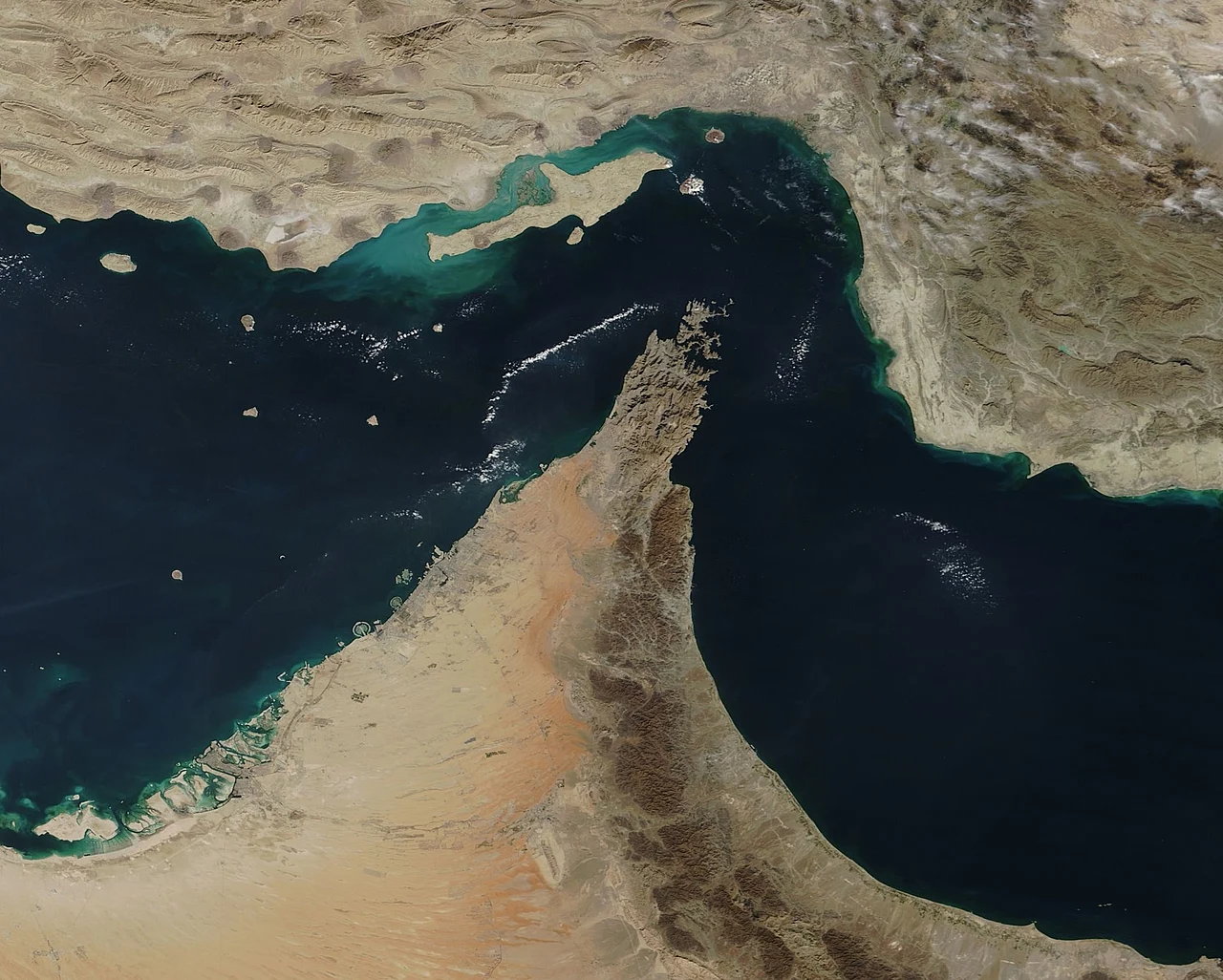
President Donald J. Trump posted a stark warning on Truth Social today, stating that “a whole civilization will die tonight” if Iran fails to meet his 8:00 p.m. ET deadline to fully reopen the Strait of Hormuz to international shipping. The message marks the latest escalation in the president’s repeated ultimatums to Tehran amid the ongoing five-week conflict.
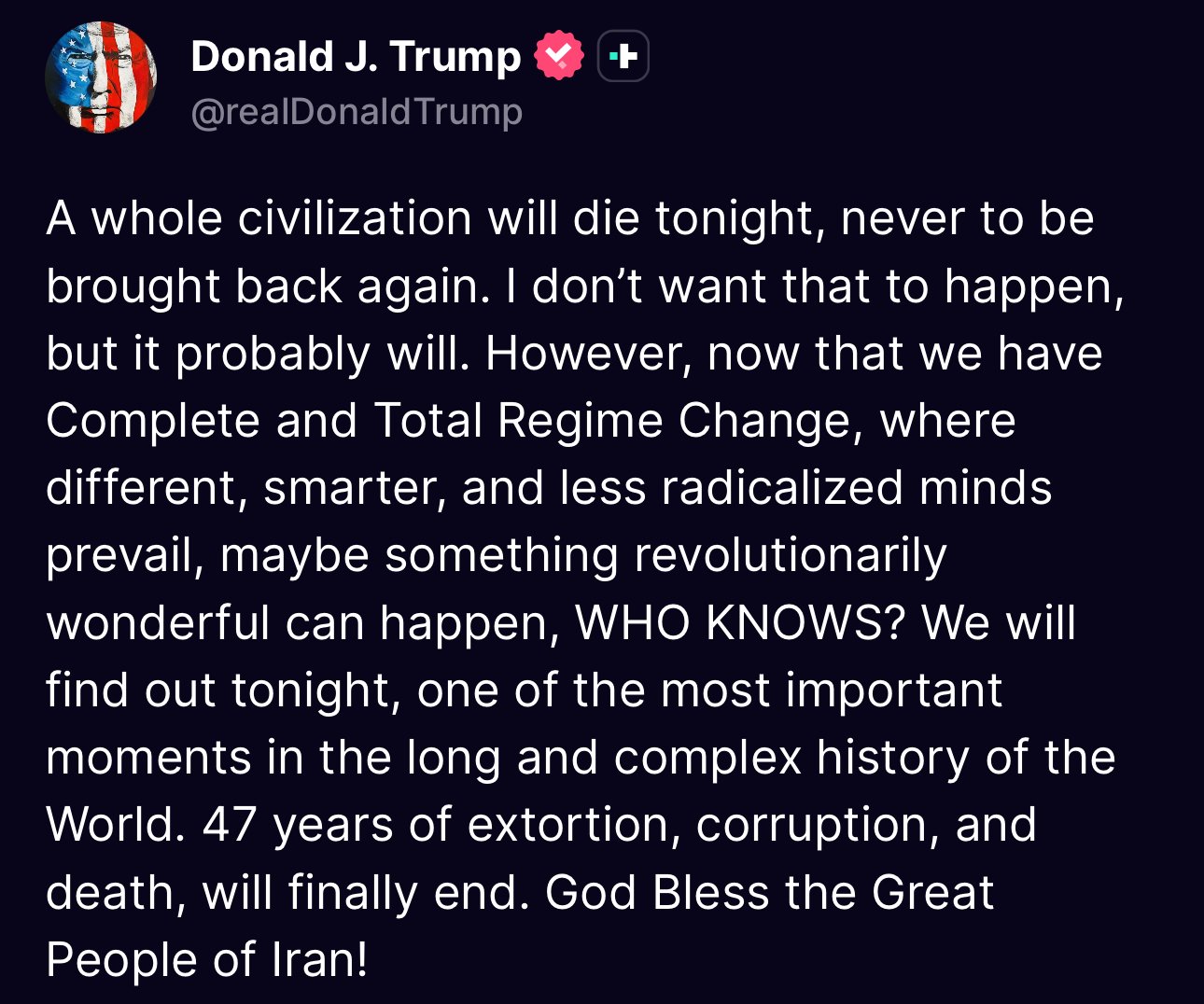
The Post and the Deadline
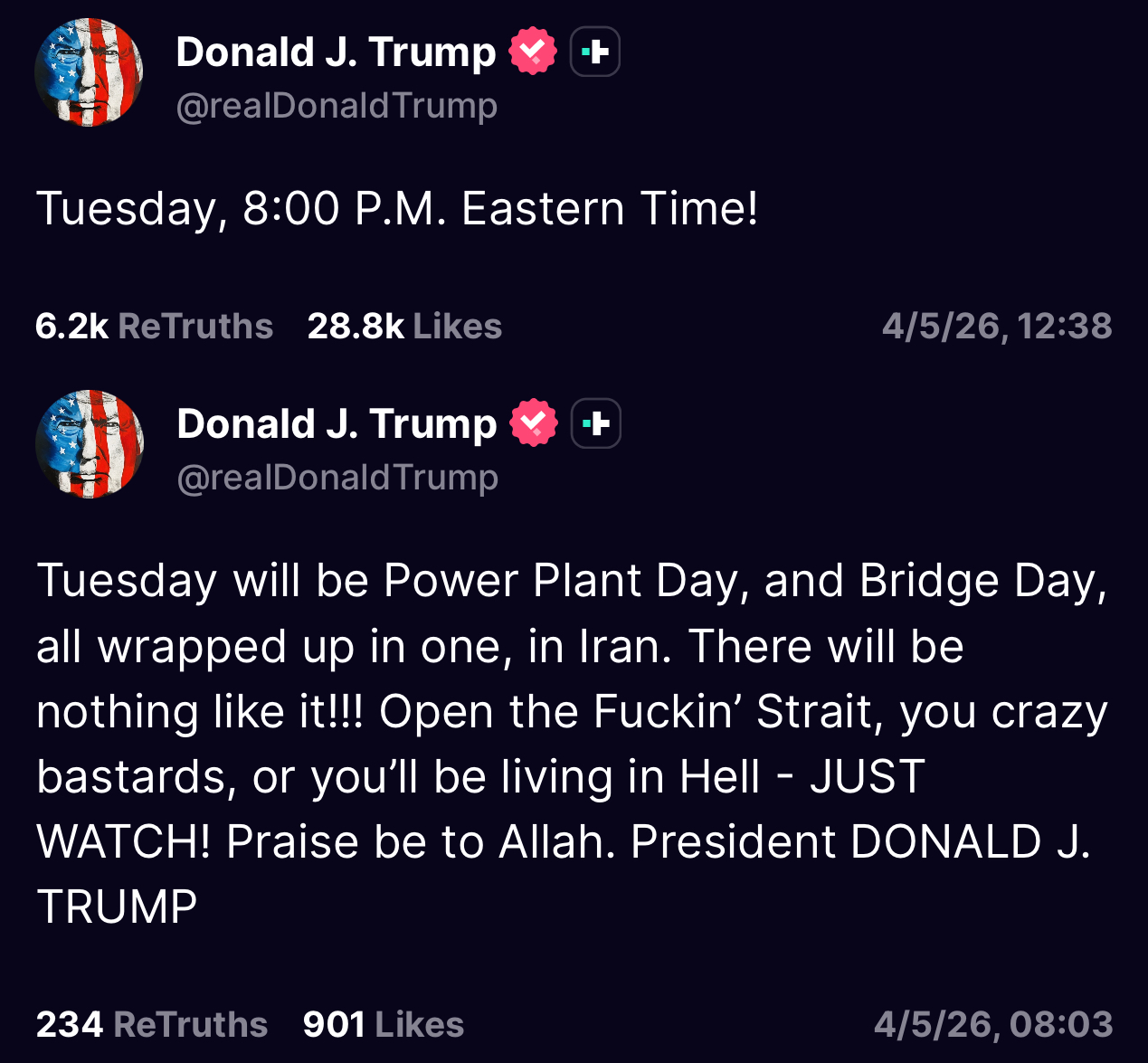
In strongly worded posts, Trump has threatened that Tuesday evening April 7 at 8 p.m. Eastern Tim will mark “Power Plant Day and Bridge Day, all wrapped up in one” in Iran if the critical waterway remains blocked. He has repeatedly stated that failure to comply would result in the destruction of Iran’s energy infrastructure and transportation network, warning the Iranian leadership that the country could be “taken out in one night” and its people left “living in Hell.”
What Trump Is Planning
U.S. officials have indicated that if the deadline passes without Iran opening the strait, the administration is prepared to authorize large-scale airstrikes targeting power plants, bridges, and related infrastructure. The goal, according to the president’s public statements, is to force compliance and restore global oil flows while signaling the end of major U.S. military involvement in the conflict. These would be among the most extensive strikes on Iranian civilian-linked infrastructure since the conflict began.
Iran’s Response: Human Shields
In a dramatic and unprecedented move, Iranian officials have called on civilians, specifically students, artists, youth, athletes, and university faculty to form “human chain circles” around the country’s power plants. Deputy Minister of Youth and Sports Alireza Rahimi urged participants to gather tomorrow (April 8 local time) at 2 p.m. Iran time, describing the action as a peaceful protest and a symbolic defense of “national assets.” State media framed the effort as a stand against potential attacks on civilian infrastructure, with organizers calling it “The Human Chain of Iran’s Youth for a Bright Future.”
Consequences if Trump Follows Through
If the threatened strikes occur, the immediate impact would be severe. Destruction of power plants could plunge large parts of Iran into prolonged blackouts, disrupting hospitals, water treatment, heating, and communications for millions of civilians. Bridge and transportation strikes would hinder the movement of food, fuel, and emergency aid. Analysts warn of a potential humanitarian crisis, including increased civilian casualties, refugee flows, and long-term damage to Iran’s already strained economy. Retaliation from Iran or its proxies could target U.S. assets, Gulf shipping, or allied nations, further destabilizing the region.
Why This Matters
The 8 p.m. deadline and the accompanying threats represent a high-stakes gamble that could dramatically reshape the trajectory of the U.S.-Iran conflict. A large-scale strike on power and transportation infrastructure would cross a threshold from targeted military action to widespread disruption of civilian life, raising serious questions under international law about proportionality and the protection of non-combatants.
For global energy markets, the consequences could be immediate and severe. Any sustained damage to Iran’s power grid or renewed threats to the Strait of Hormuz would likely send oil prices spiking once again, compounding the jet-fuel shortages and airline disruptions already affecting travelers and businesses worldwide. A weakened Iranian energy sector could also shift long-term supply dynamics, benefiting U.S. and allied producers but increasing volatility for consumers everywhere.
On the humanitarian front, the Iranian government’s call for human shields adds a deeply troubling layer. While intended as a deterrent and propaganda tool, it places civilians, including students and artists, directly in harm’s way, potentially complicating U.S. targeting decisions and raising the political and moral cost of any strike. The world will be watching closely to see whether such tactics prevent escalation or instead accelerate it.
Broader strategic implications are equally significant. Success in forcing the strait open could allow Trump to declare a swift exit from major combat operations, as he has repeatedly promised. Failure or heavy retaliation, however, risks drawing the U.S. into a longer, costlier conflict with unpredictable regional consequences, from refugee crises to proxy attacks across the Middle East. Markets, allies, and adversaries alike are now on edge as the 8 p.m. deadline approaches, with the coming hours potentially determining whether diplomacy or destruction defines the next chapter of this fast-moving crisis.
Sources (as of April 7, 2026):
- President Trump’s Truth Social posts and White House statements
- Iranian state media and Deputy Minister Alireza Rahimi’s public call
- Reporting from ABC News, BBC, Reuters, AP, The Hill, and Al Jazeera
Disclaimer: This article is a curated news roundup and analysis compiled by the Candid Brief News editorial team based on reporting from multiple established and trusted sources. Candid Brief News adds value through careful story selection, neutral summaries, contextual analysis, and occasional original commentary. We do not claim to have independent on-the-ground reporting for every story. Readers are encouraged to visit the original sources linked in each article for full details and the latest updates. All credit for original reporting belongs to the respective journalists and news organizations.