
Airlines Warn Jet Fuel Supplies Could Run Dry Within Weeks as Prices Double Amid Middle East Tensions. Major Carriers Slash Schedules While Low-Cost Airlines Face Growing Pressure.
By Candid Brief News | CandidBrief.com | March 31, 2026
U.S. and global airlines are raising urgent alarms that jet fuel inventories could run critically low within weeks, as soaring prices triggered by ongoing Middle East conflict disrupt global supply chains. Jet fuel costs have more than doubled in a matter of weeks, forcing schedule cuts, fare hikes, and contingency planning across the industry.

Background
The crisis stems from escalating tensions in the Middle East, including disruptions to key oil shipping routes like the Strait of Hormuz. This has driven U.S. jet fuel prices from approximately $2.17 per gallon to as high as $4.57 per gallon in recent weeks, according to the Argus U.S. Jet Fuel Index. Airlines, which typically rely on just-in-time fuel deliveries, are now warning that reserves in some regions could be exhausted in a matter of weeks without resolution.
Key Airline Responses
Carriers are already taking decisive action to conserve fuel and manage costs:
- United Airlines: CEO Scott Kirby announced the airline will cut approximately 5% of its planned flights in the near term, trimming less profitable routes and adjusting summer schedules. This move aims to offset an estimated $11 billion in potential annual extra fuel expenses if prices remain elevated. Some reports have referenced broader capacity reductions approaching double-digit impacts on certain domestic operations.
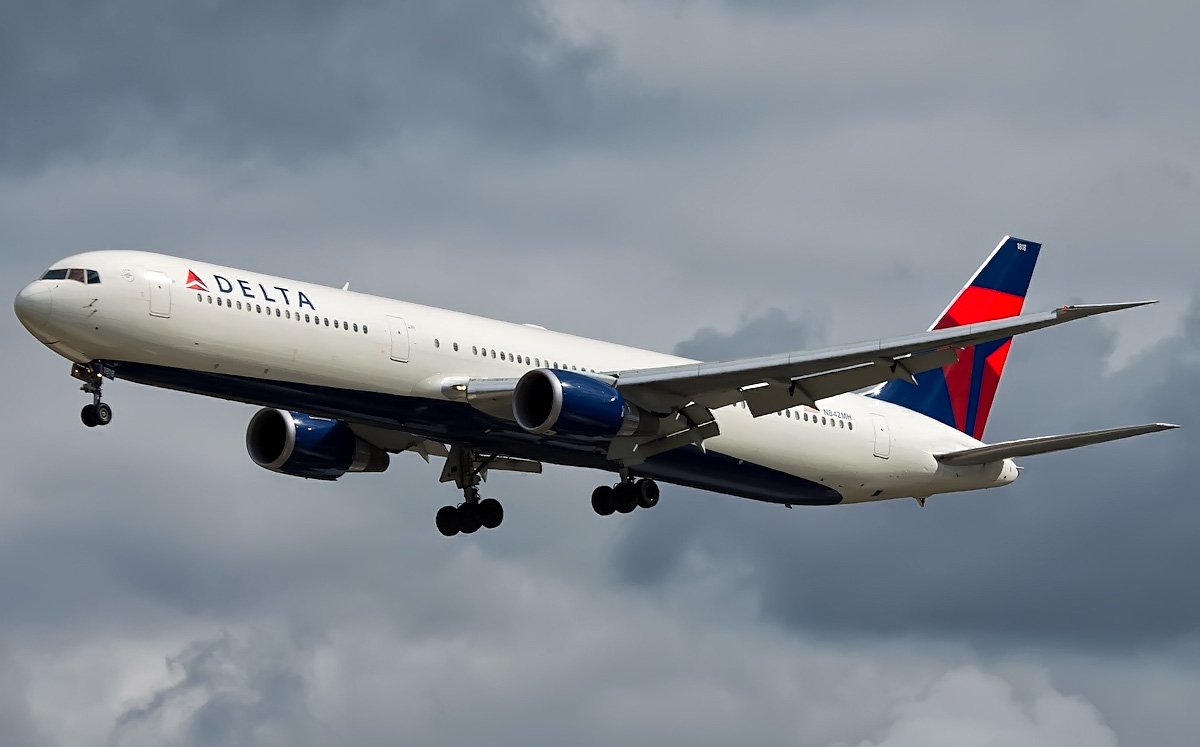
- Delta Air Lines: The carrier has significantly scaled back its Boeing 767-400 operations, with domestic flights on the type slashed by up to 67% in a major schedule shakeup. Delta CEO Ed Bastian noted the fuel spike alone added roughly $400 million to March costs, prompting broader capacity adjustments and fare increases.
- Low-Cost Carriers Hit Hardest: Ultra-low-cost airlines such as Frontier, Spirit, and international budget operators (including those in Asia and Europe) are feeling acute pain. These carriers operate on razor-thin margins and made heavy bets on fuel-efficient new aircraft, but the rapid price surge has eroded those advantages. With price-sensitive passengers, they face tougher choices: aggressive fare hikes, route cuts, or even parking planes, options that legacy carriers can absorb more easily.
Airline Actions at a Glance (March 2026)
Airline/Group Response Estimated Impact United Airlines 5%+ schedule cuts Up to $11B annual fuel hit Delta Air Lines Major 767-400 reductions +$400M in March alone Low-Cost Carriers Fare hikes, potential grounding Thin margins under severe strain Global (e.g., Asia/EU) Contingency plans for shortages Possible shortages by May.
Why This Matters for Passengers
Ultimately, travelers will bear the brunt of the crisis. Airlines have already begun passing costs directly to consumers through multiple rounds of fare increases, United has warned of potential 20% jumps if prices persist, while others are adding fuel surcharges or reducing capacity on lower-fare routes. Fewer flights mean tighter availability, which further drives up prices, especially during peak spring and summer travel seasons. Low-cost carriers, once a budget-friendly option, may see the steepest relative hikes, narrowing the gap with full-service airlines.
Demand remains strong for now, but sustained high fuel costs could dampen leisure and business travel if ticket prices continue climbing. Industry experts note this is the fastest fare-response cycle in recent memory, with no quick relief in sight until supply chains stabilize.
Sources (as of March 31, 2026):
- Fox News, Reuters, Simple Flying, The Sun, AOL
- Airline executive statements (United CEO Scott Kirby, Delta CEO Ed Bastian)
- Argus U.S. Jet Fuel Index and industry reports from J.P. Morgan conferences
Disclaimer: This article is a curated news roundup and analysis based on publicly available reporting from multiple established sources. Candid Brief News does not have independent on-the-ground reporting and encourages readers to cross-reference primary outlets.