
U.S. Naval Blockade of Strait of Hormuz Set to Begin at 10:00 a.m. EST
By Candid Brief News | CandidBrief.com | April 13, 2026
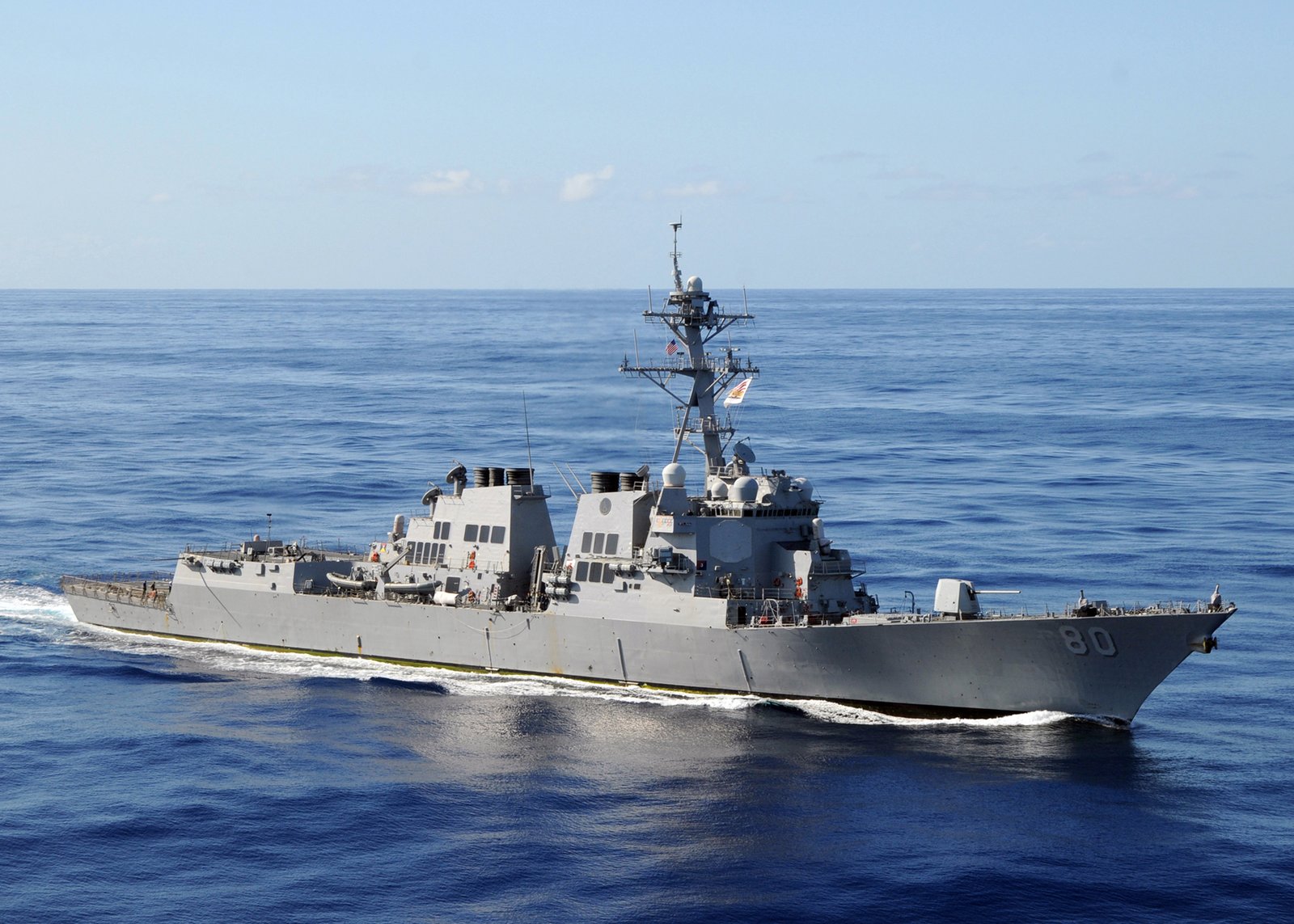
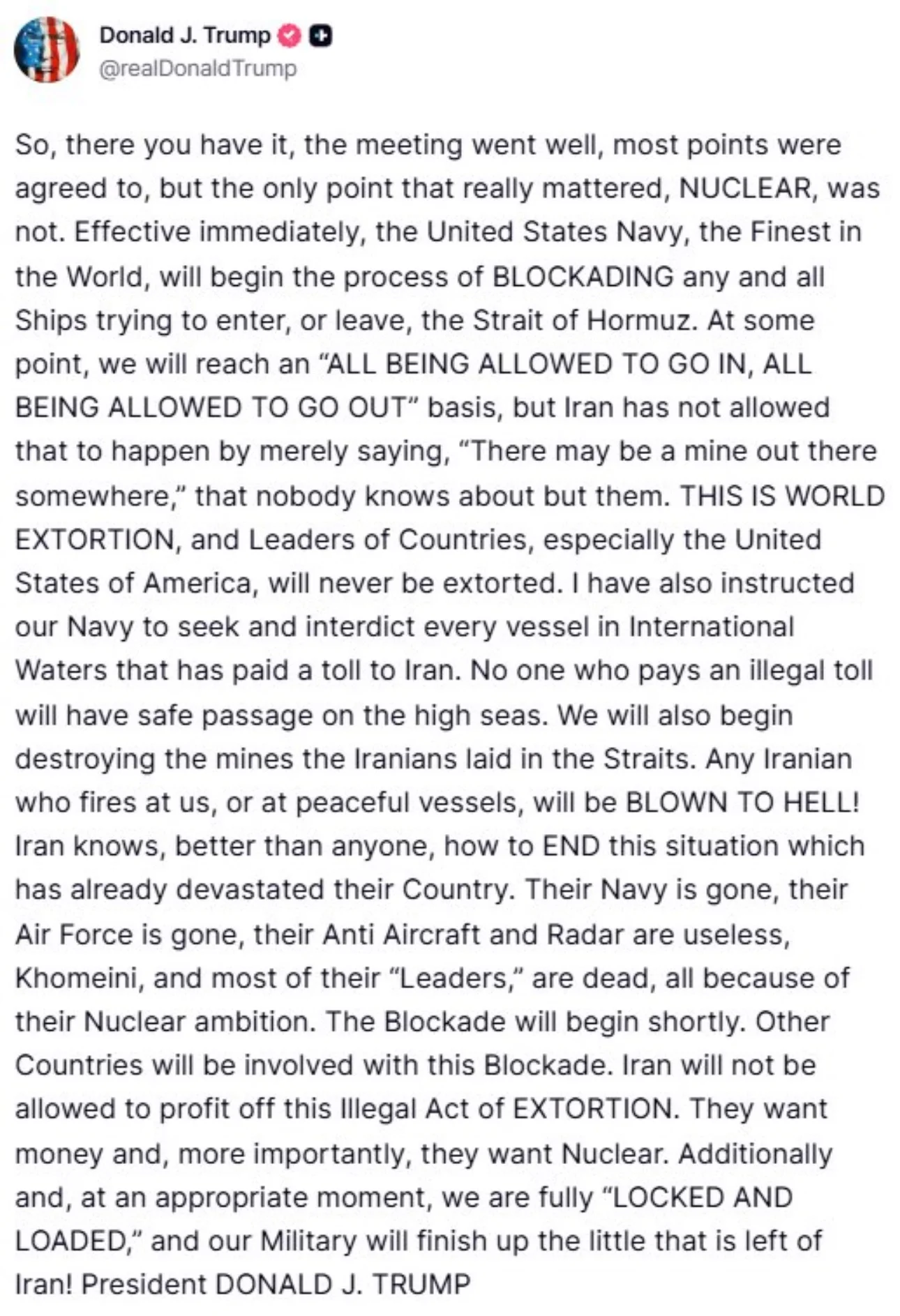
The United States Navy will begin enforcing a full naval blockade of the Strait of Hormuz at 10:00 a.m. Eastern Time today, President Donald J. Trump announced. The operation follows Iran’s refusal to open the critical waterway and its continued insistence on maintaining its nuclear program.
Details of the Blockade
U.S. naval forces, already positioned in the region, will interdict any vessel attempting to enter or exit the Strait of Hormuz. The Navy has also been ordered to locate and destroy Iranian mines and interdict ships that have paid illegal tolls to Tehran. Trump described the action as a direct response to what he called “world extortion” after the collapse of marathon talks in Islamabad.
Impact on the Iranian Government
A successful blockade would deliver a severe blow to Iran’s economy and regime stability. Oil exports account for roughly 40–50% of Iran’s government revenue. The Strait of Hormuz is the primary export route for nearly all of Iran’s crude oil. With the blockade in place, Tehran would lose the vast majority of its daily oil income almost immediately, severely limiting its ability to fund government operations, subsidies, the military, and proxy groups across the region.
Shipping Breakdown: Waterways vs. Other Modes
- Sea (Waterways): Over 95% of Iran’s oil exports move by tanker through the Strait of Hormuz. Iran has no realistic alternative sea route at scale.
- Land: Limited pipelines exist to neighbors (Turkey, Iraq, and a small route to Pakistan), but combined capacity is less than 500,000 barrels per day, far below normal export volumes.
- Rail and Truck: Iran moves some refined products and small volumes of crude by rail and truck to neighboring countries, but these are negligible for bulk exports (well under 5% of total volume).
- Air: Air transport of oil is economically impossible at scale and accounts for essentially zero percent of exports.
In short, there is no viable workaround. A naval blockade would effectively choke off the lifeblood of Iran’s economy.
Odds of Actual Damage to Iran’s Economy
Analysts assess the probability of severe short-term economic damage at very high (85–95%). Iran’s government budget is already strained by years of sanctions and conflict. A blockade lasting even a few weeks could slash daily revenue by billions of dollars, trigger currency collapse, fuel shortages inside Iran, and spark widespread public unrest. Longer-term damage would be even more severe if the blockade persists.
Potential Negative Outcomes
While the blockade aims to pressure Iran, it carries significant risks:
- Escalation: Iran could respond with mines, anti-ship missiles, or proxy attacks, potentially drawing the U.S. into a broader military conflict.
- Global Oil Shock: Even partial disruption of the Strait of Hormuz could send oil prices surging $20–40 per barrel within days.
- Humanitarian Impact: Reduced government revenue could worsen food and medicine shortages inside Iran, affecting millions of civilians.
- U.S. Navy Risks: American ships enforcing the blockade would face real threats from Iranian naval forces and asymmetric warfare.
- Diplomatic Backlash: Allies and neutral nations may criticize the move as overly aggressive, complicating future negotiations.
Why This Matters
The blockade represents a dramatic shift from diplomacy to direct enforcement. For Iran’s leadership, it threatens the financial foundation of the regime and could accelerate internal pressure for change. For the global economy, it risks renewed energy price spikes at a time when markets are already volatile from the ongoing conflict. For the United States, it carries both the opportunity to force a resolution on the nuclear issue and the danger of being pulled into another prolonged Middle East conflict.
The next 24–48 hours will be critical. Iran’s response, whether restraint, retaliation, or a last-minute concession, will determine whether the blockade remains a short-term leverage tool or escalates into a wider confrontation with major consequences for energy markets and regional stability.
Sources (as of April 13, 2026):
- President Trump’s Truth Social posts (April 12–13, 2026)
- White House and Pentagon statements
- Reporting from Reuters, Bloomberg, Argus Media, and Al Jazeera
Disclaimer: This article is a curated news roundup and analysis compiled by the Candid Brief News editorial team based on reporting from multiple established and trusted sources. Candid Brief News adds value through careful story selection, neutral summaries, contextual analysis, and occasional original commentary. We do not claim to have independent on-the-ground reporting for every story. Readers are encouraged to visit the original sources linked in each article for full details and the latest updates. All credit for original reporting belongs to the respective journalists and news organizations.