
Russia and Iran Demand Chinese Yuan for Oil Deals and Strait of Hormuz Transit, Accelerating Global De-Dollarization Push
By Candid Brief News | CandidBrief.com | April 6, 2026
Russia has formally required all oil and gas transactions with its major buyers to be settled exclusively in Chinese yuan, while Iran has now announced it will only permit commercial ships to transit the Strait of Hormuz if payment is made in yuan. The dual moves represent the most direct challenge yet to the U.S. dollar’s long-standing role as the world’s dominant currency for oil trade.
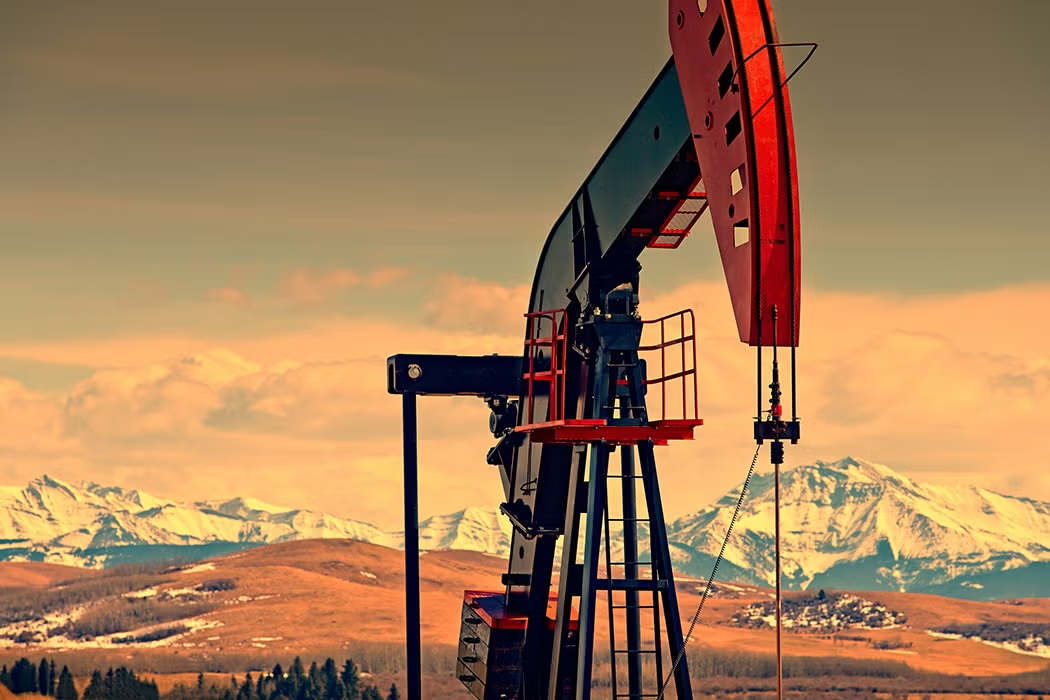
Background: The Dollar’s Central Role in Global Oil Markets
For more than 50 years, the U.S. dollar has served as the universal currency for international oil transactions — a system often called the “petrodollar.” Major producers and buyers, including Saudi Arabia, Russia, and OPEC nations, have traditionally priced and settled crude oil in dollars. This arrangement has given the United States enormous economic advantages: it allows Washington to impose sanctions that bite globally, keeps demand for dollars high, and helps finance U.S. deficits at relatively low interest rates. Even today, roughly 80–85 % of all global oil trades are still conducted in dollars, according to data from the International Energy Agency and SWIFT.
Russia’s Yuan Mandate
Moscow began shifting away from the dollar after Western sanctions were imposed in 2022. The new policy, effective immediately, requires Chinese buyers, Russia’s largest customer, and other BRICS partners to settle every barrel in yuan. Russian officials stated the change eliminates “unnecessary exposure” to U.S. financial systems and strengthens ties with Beijing.
Iran’s New Demand for Hormuz Transit
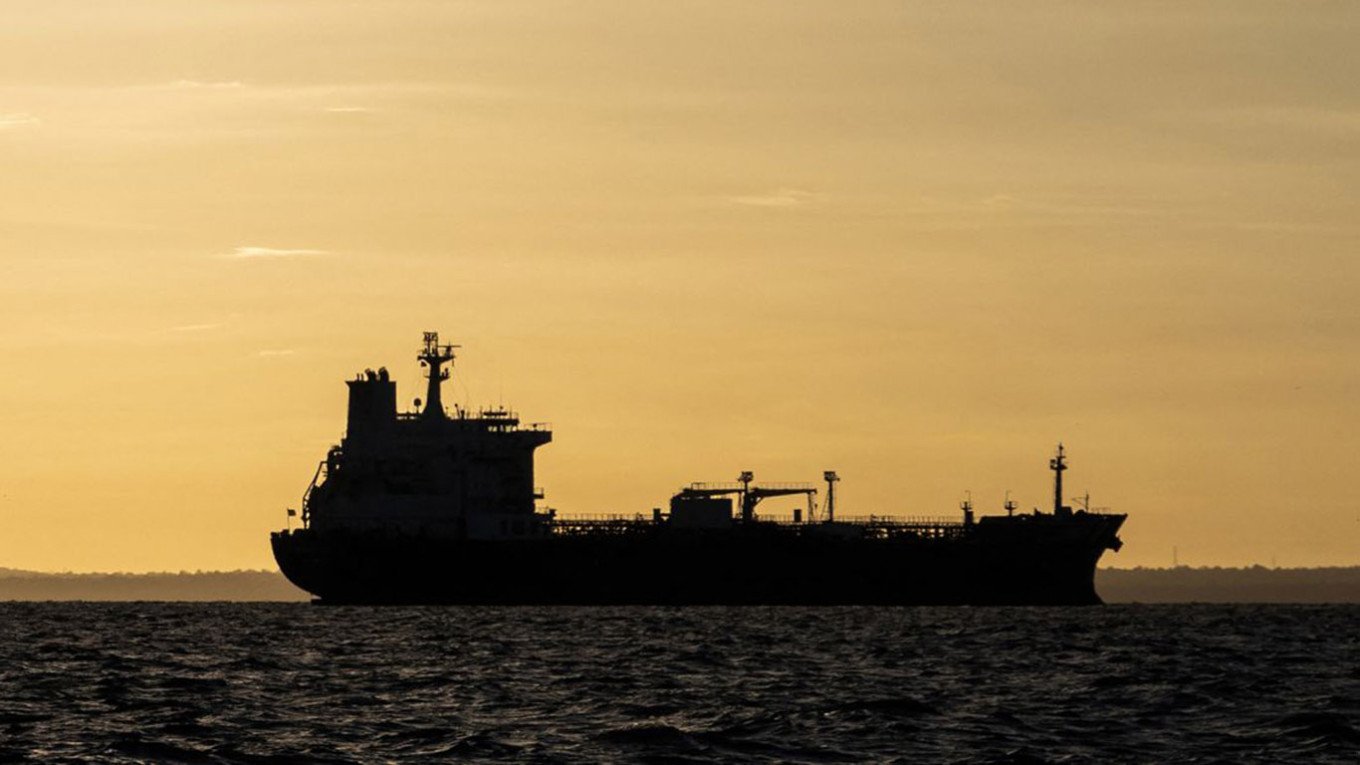
In a parallel escalation, Tehran declared that any vessel wishing to pass through the Strait of Hormuz — the chokepoint carrying roughly 20 % of global oil and LNG, must pay a transit fee in Chinese yuan. The move comes amid ongoing U.S.-Iran tensions and is seen as an attempt to bypass dollar-based sanctions while courting Chinese support. Iranian state media framed the policy as a “sovereign right” to protect national interests.
What Could Happen Next
If these policies take hold, analysts warn of several ripple effects. China could accelerate its yuan internationalization efforts, potentially leading other producers (such as Saudi Arabia or Venezuela) to accept yuan payments. The dollar’s share of global reserves and trade invoicing could decline further, weakening its reserve-currency status. U.S. sanctions on energy exports would lose some of their bite, while Beijing would gain greater influence over global energy flows.
Short-term market reactions are already visible: yuan-denominated oil futures on the Shanghai International Energy Exchange have seen increased volume, while the dollar has come under mild selling pressure in currency markets.
Why This Matters
The shift away from the dollar in oil trade carries far-reaching consequences for the global economy and geopolitics. For the United States, any sustained erosion of petrodollar dominance could raise borrowing costs, as foreign governments and investors might demand higher yields on U.S. Treasuries if they hold fewer dollars. American consumers could eventually feel the impact through higher imported-goods prices if the dollar weakens significantly.
For oil-producing nations and emerging markets, settling in yuan offers a way to reduce reliance on Western financial systems and hedge against future sanctions. However, it also ties their economies more closely to China’s currency policies, interest rates, and political priorities. This could fragment the once-unified global oil market into competing currency blocs, increasing volatility and transaction costs.
Energy prices themselves may become more unpredictable. With two major producers now routing payments through yuan, daily oil-market swings could intensify, affecting everything from airline fuel surcharges to household heating bills. Global investors are already watching closely: a faster de-dollarization trend might accelerate diversification into gold, cryptocurrencies, or other non-dollar assets.
In the broader strategic picture, these moves underscore a deepening realignment in world power. Russia and Iran are leveraging their energy resources to chip away at U.S. financial leverage, while China positions the yuan as a viable alternative. The outcome over the next 12–24 months could reshape not only how the world buys and sells oil, but also the balance of economic influence between Washington and Beijing.
Sources (as of April 6, 2026):
- Reuters, Bloomberg, South China Morning Post, TASS, and Iranian state media
- International Energy Agency and SWIFT oil-trade settlement data
- Analysis from J.P. Morgan, Goldman Sachs, and the Atlantic Council
Disclaimer: This article is a curated news roundup and analysis compiled by the Candid Brief News editorial team based on reporting from multiple established and trusted sources. Candid Brief News adds value through careful story selection, neutral summaries, contextual analysis, and occasional original commentary. We do not claim to have independent on-the-ground reporting for every story. Readers are encouraged to visit the original sources linked in each article for full details and the latest updates. All credit for original reporting belongs to the respective journalists and news organizations.