
Pakistan-Mediated U.S.-Iran Talks End Without Deal After Marathon 21-Hour Negotiations
By Candid Brief News | CandidBrief.com | April 11, 2026
High-stakes peace negotiations between the United States and Iran, hosted and mediated by Pakistan in Islamabad, concluded late Saturday without a breakthrough. After more than 21 hours of continuous, straight negotiations, Iranian officials stated that no further talks would be held, declaring “this is our deal — no more talks.”
The Marathon Negotiations
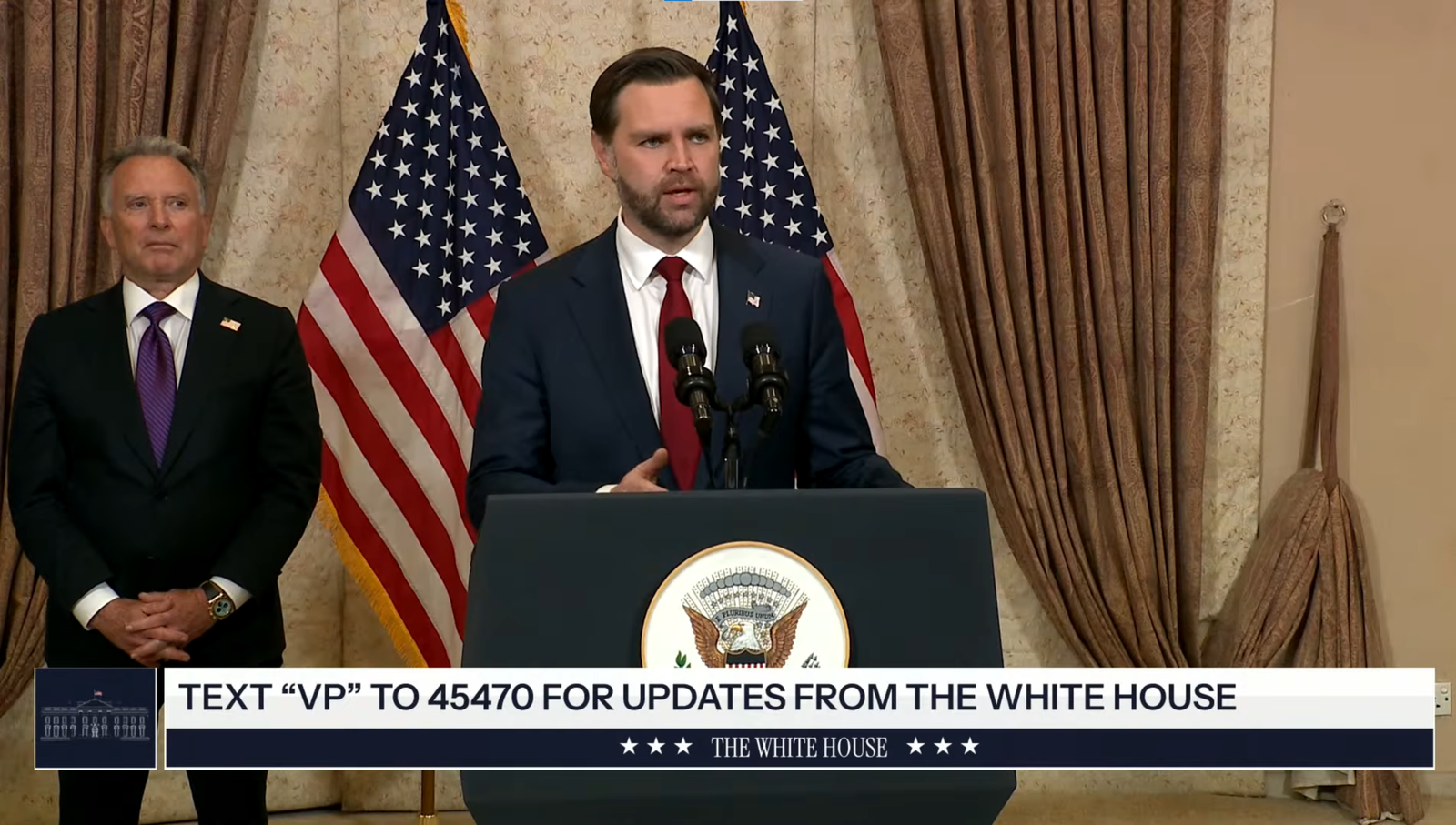
The direct talks, which began Saturday morning and stretched deep into the night, involved senior U.S. and Iranian delegations meeting with Pakistani Prime Minister Shehbaz Sharif and his team. Sources described the sessions as intense and exhaustive, with multiple breaks for expert-level text exchanges but no final agreement. Key sticking points included full Iranian sovereignty over the Strait of Hormuz, complete sanctions relief, war reparations, and a durable regional ceasefire that encompasses Lebanon.
Iran presented four “non-negotiable conditions” and offered limited concessions on navigation through the strait and phased sanctions relief. However, the two sides could not bridge remaining gaps on verification mechanisms and the timeline for reopening shipping lanes.
Iran’s Concluding Statement
At the close of the marathon session, Iranian representatives issued a firm public statement: “This is our deal — no more talks.” The declaration effectively ended the immediate round of negotiations and signaled that Tehran would not return to the table without its core demands being met in full.
Potential Trump Reactions
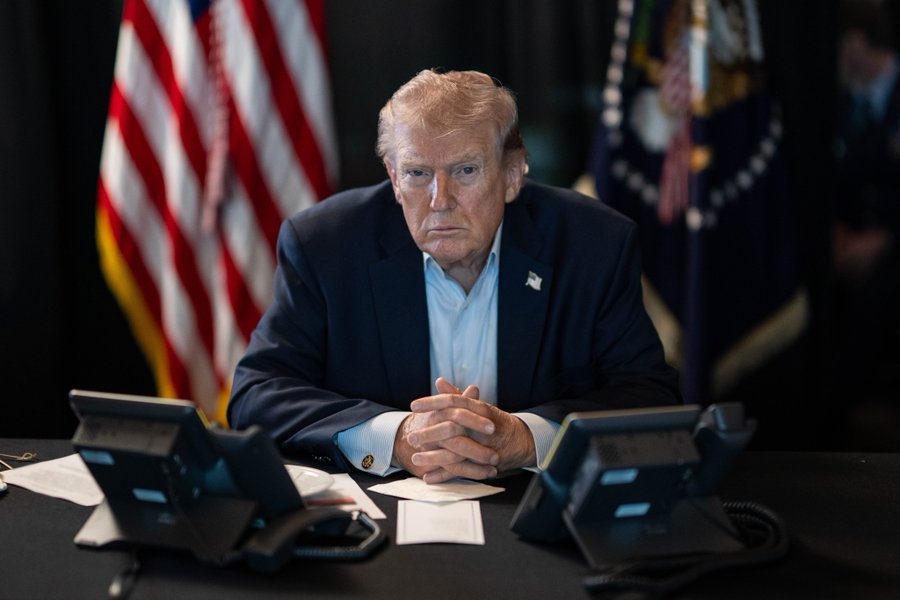
President Trump has not yet issued a direct response to the collapse of the Islamabad talks, but his recent Truth Social activity suggests a hardline stance. He has previously described Iran as having “no cards” and warned that any failure to reopen the Strait of Hormuz would trigger severe consequences. Analysts expect Trump to frame the outcome as proof that maximum pressure is still required, potentially accelerating threats of renewed strikes or further sanctions. Some observers believe he may use the deadlock to justify continued U.S. military posture in the region while keeping the door open for future direct talks.
What Could Happen Next
With the two-week ceasefire now under strain and no new talks scheduled, the situation remains highly fluid. Possible scenarios include:
- A short cooling-off period followed by renewed back-channel diplomacy through Pakistan or other intermediaries.
- Escalation if Iran continues to restrict Hormuz traffic or if U.S. forces respond to any new incidents.
- Increased involvement from Gulf states or China to mediate a fresh round of talks.
- Heightened proxy activity in Lebanon or elsewhere as both sides test the limits of the fragile truce.
Impact on Oil Prices
The failure to reach a deal keeps uncertainty high in energy markets. Any prolonged closure or threat to the Strait of Hormuz, already disrupted by the conflict, could push Brent crude prices higher in the short term, potentially adding $5–10 per barrel if shipping disruptions worsen. Conversely, if both sides quietly de-escalate without new strikes, prices could stabilize or ease slightly as markets price in the possibility of future negotiations. Global traders are watching closely: sustained deadlock would likely sustain elevated volatility, affecting everything from gasoline prices to airline fuel costs.
Why This Matters
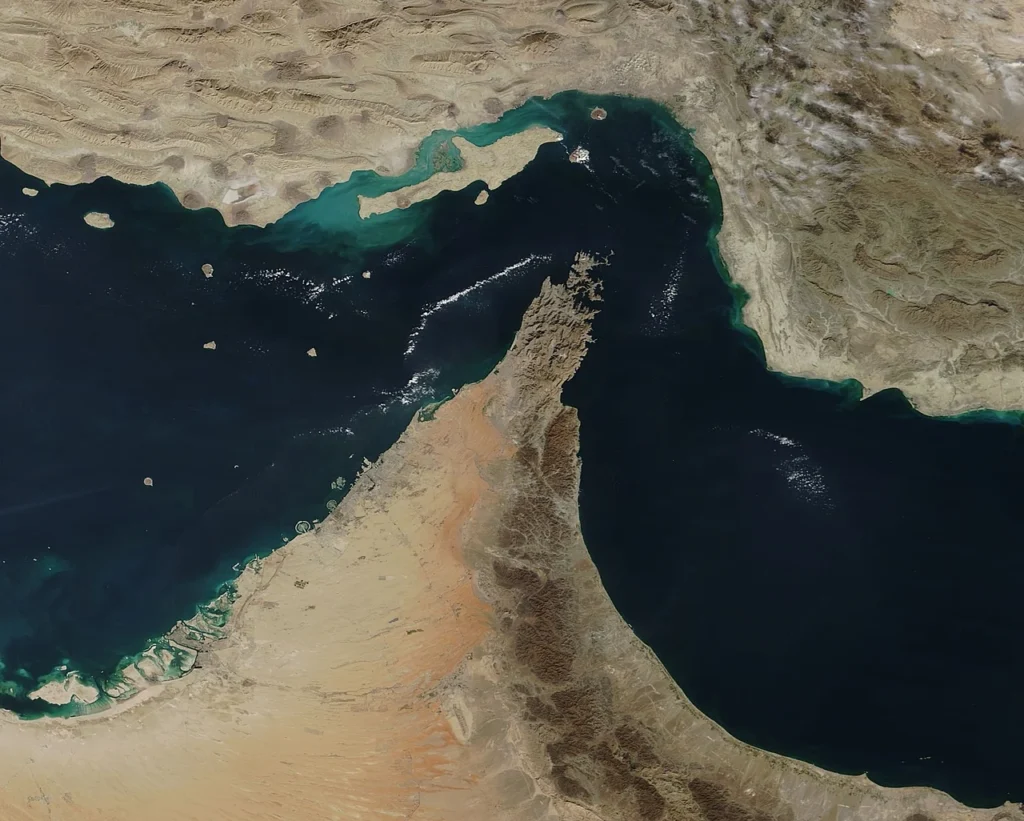
The collapse of the Islamabad talks after more than 21 hours of intensive diplomacy highlights how fragile the current ceasefire remains. While Pakistan succeeded in bringing the two sides together, deep mistrust and competing red lines prevented a breakthrough. For global energy security, the outcome keeps the Strait of Hormuz, through which roughly 20% of the world’s oil passes, in a state of high risk.
The coming days will be critical in determining whether the deadlock leads to renewed military pressure or opens the door for a new round of mediation. Markets, allies, and adversaries alike are now waiting to see how President Trump responds and whether Iran’s firm “no more talks” position holds or softens under continued pressure.
Sources (as of April 11, 2026):
- Pakistani government statements and Al Jazeera reporting
- Iranian state media (Tasnim) and Reuters updates
- CNBC, PBS NewsHour, and Fox News coverage of the Islamabad talks
Please Support Our Independent Coverage
Disclaimer: This article is a curated news roundup and analysis compiled by the Candid Brief News editorial team based on reporting from multiple established and trusted sources. Candid Brief News adds value through careful story selection, neutral summaries, contextual analysis, and occasional original commentary. We do not claim to have independent on-the-ground reporting for every story. Readers are encouraged to visit the original sources linked in each article for full details and the latest updates. All credit for original reporting belongs to the respective journalists and news organizations.