
First-Ever Underwater Photos of Elusive Ross Seal Captured by Justin Hofman. Rare Antarctic Encounter Highlights One of the Least-Seen Marine Mammals
By Candid Brief News | CandidBrief.com | March 30, 2026
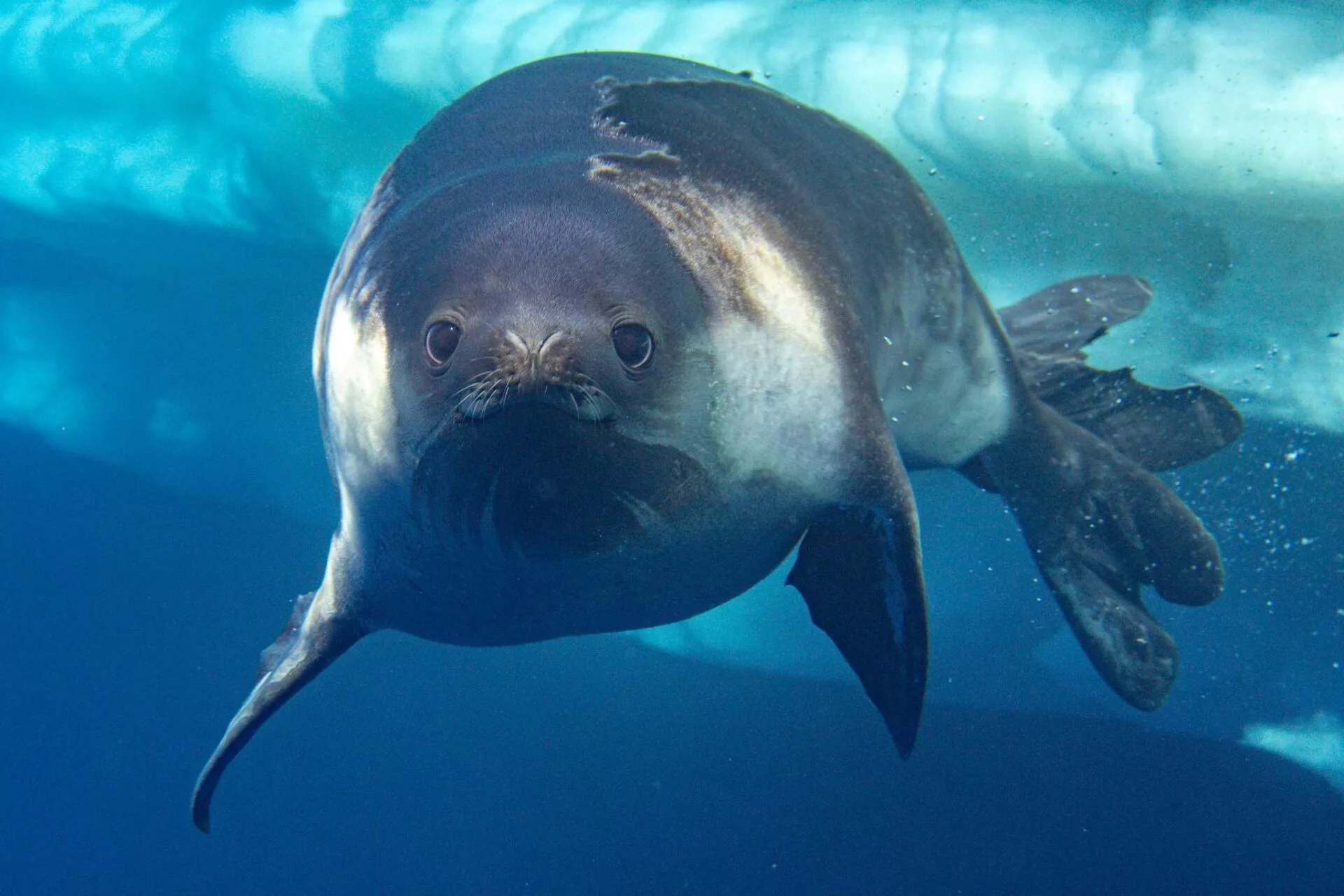
A U.S. underwater photographer has captured what are believed to be the first-ever underwater images of the rarely seen Ross seal, offering a remarkable glimpse into the life of one of Antarctica’s most mysterious marine mammals. The photos, taken during a December 2025 expedition, show the seal navigating the icy Southern Ocean waters in stunning detail.
Background
Justin Hofman, an undersea specialist and photographer who has worked with Lindblad Expeditions and National Geographic, achieved the milestone while aboard the National Geographic Resolution. In 15 seasons of Antarctic expeditions, Hofman had only encountered two Ross seals, one on the ice and the second during this recent voyage far south in the pack ice. He described the moment as “Christmas came a little early,” noting that no confirmed underwater images of the species existed prior to his work.
Accompanying videographer Ayla Townsend also captured what may be the only known underwater video of the animal. The images reveal the seal’s large, expressive eyes, broad dark stripes along its body and neck, and graceful movement through deep blue, icy waters.
Ross Seal Quick Facts (Ommatophoca rossii)
The Ross seal is the only true seal (family Phocidae) whose range is entirely confined to the pack ice of Antarctica. It is the smallest of the four Antarctic phocid species and remains one of the least studied due to its remote habitat in dense, consolidated sea ice far from shore.
Key Data Details
Scientific Name Ommatophoca rossii
Average Length 1.7–2.3 meters (5.5–7.6 feet); females slightly larger
Average Weight 129–216 kg (284–476 pounds)
Diet Primarily squid, lanternfish, Antarctic silverfish; forages at mid-water depths
Habitat Circumpolar distribution in Southern Ocean pack ice; solitary and rarely seen
Population Estimate ~78,000–130,000 individuals (estimates vary widely from 20,000–227,000)
Conservation Status Least Concern (IUCN); stable with no indication of decline; protected under Antarctic Treaty
Lifespan Approximately 20 years in the wild (males documented up to 21 years; females up to 19–20 years)
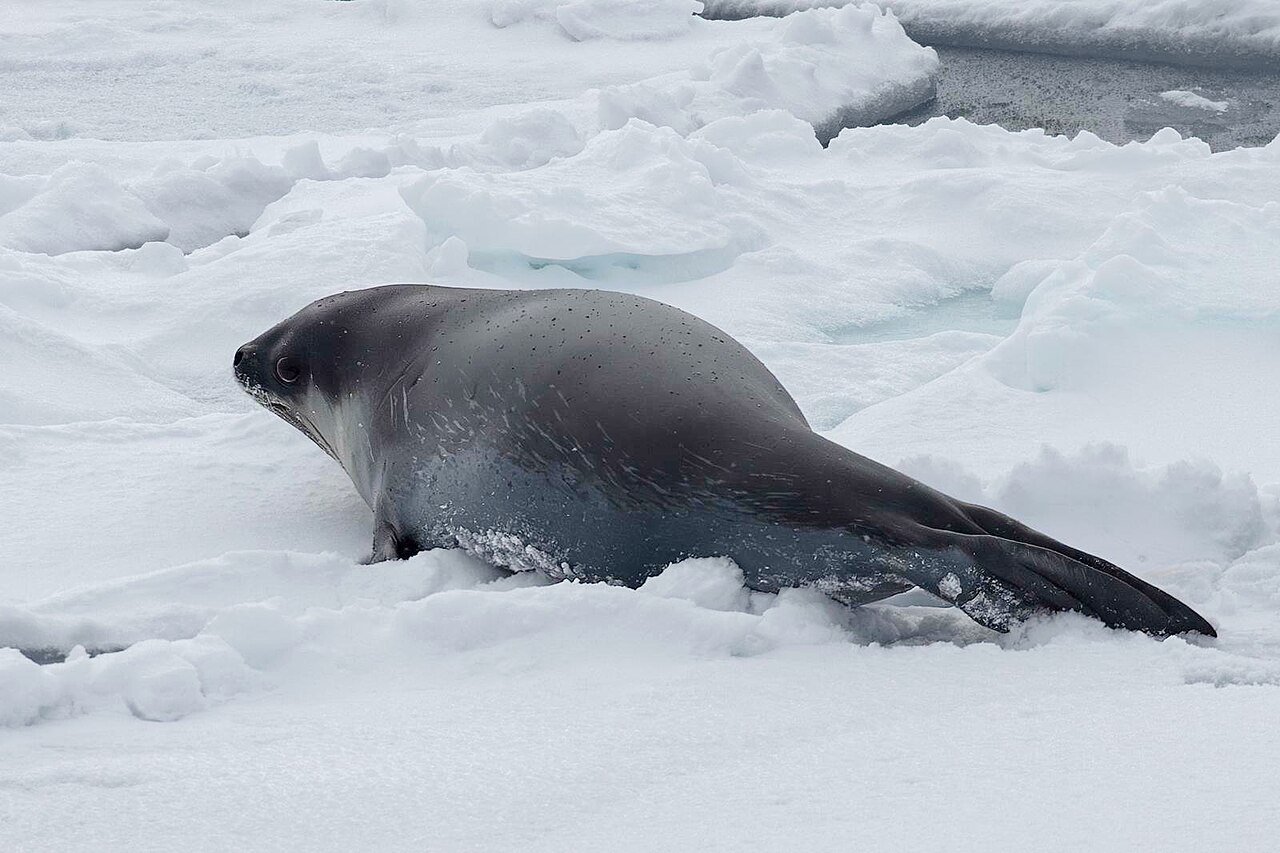
Sexual maturity occurs around 3–4 years of age. Ross seals haul out on ice for breeding, molting, and pupping, but spend much of their time foraging underwater in the remote pack ice where human observation is extremely difficult.
Why This Encounter Matters
Ross seals are notoriously elusive, their preference for deep, consolidated pack ice makes both surface and underwater sightings rare. Hofman’s photographs not only provide valuable visual data for scientists but also highlight the incredible biodiversity hidden in one of Earth’s harshest environments. With climate change affecting Antarctic sea ice, continued monitoring of these species remains important, though current data shows stable populations and no major immediate threats due to the remoteness of their habitat.
For wildlife enthusiasts and conservationists, these images serve as a powerful reminder of how much remains to be discovered in the Southern Ocean. They also underscore the value of expedition-based photography in advancing public awareness and scientific understanding.
Sources
- Instagram posts and statements by Justin Hofman (@justinhofman) and Lindblad Expeditions
- Reporting from People, The Cool Down, Divernet, DeeperBlue, IFLScience, and Yahoo News
- Scientific data from SeaWorld, Wikipedia, Animal Diversity Web, IUCN Red List, and Antarctic Treaty resources
Disclaimer: This article is a curated news roundup and analysis based on publicly available reporting from multiple established sources. Candid Brief News does not have independent on-the-ground reporting and encourages readers to cross-reference primary outlets.