
Democratic Lawmakers’ Cuba Visit Sparks Backlash as Trump Signals “Cuba Is Next”
By Candid Brief News | CandidBrief.com | April 7, 2026
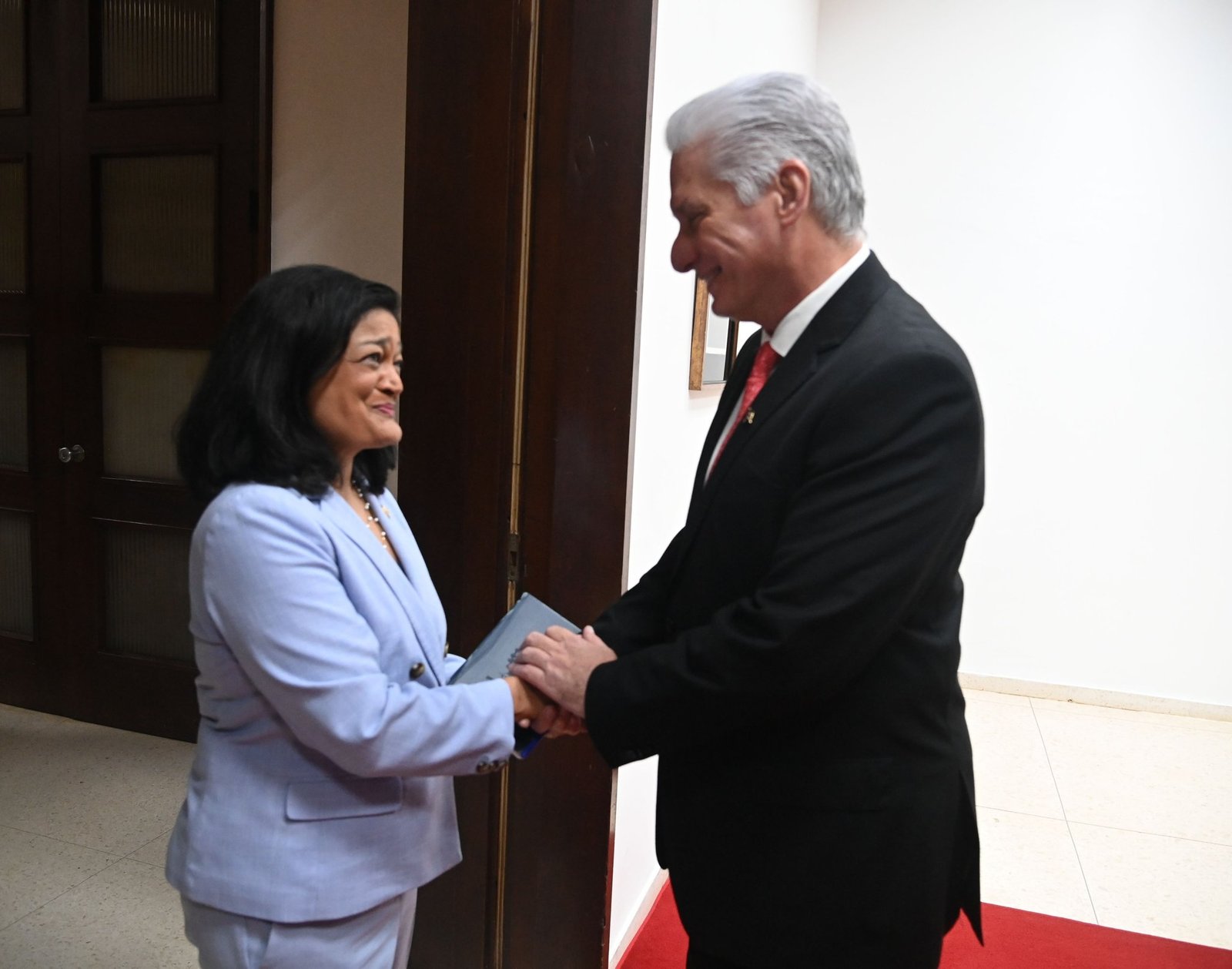
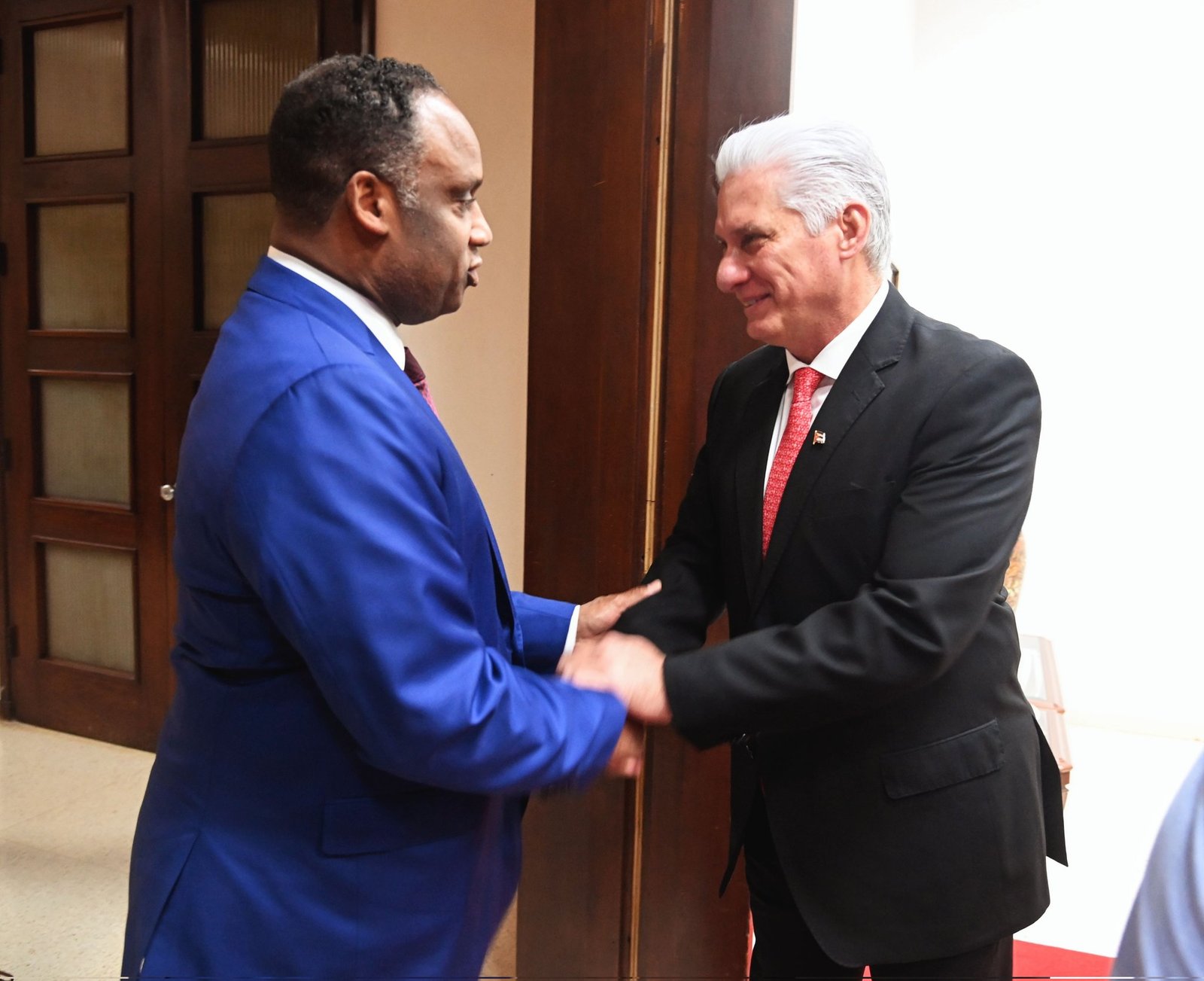
Two Democratic members of Congress. Representatives Pramila Jayapal (D-Washington) and Jonathan Jackson (D-Illinois) recently completed a five-day visit to Cuba, the first such congressional delegation to the island this year. The trip, which ended Sunday, included meetings with President Miguel Díaz-Canel, Cuban lawmakers, and senior foreign ministry officials.
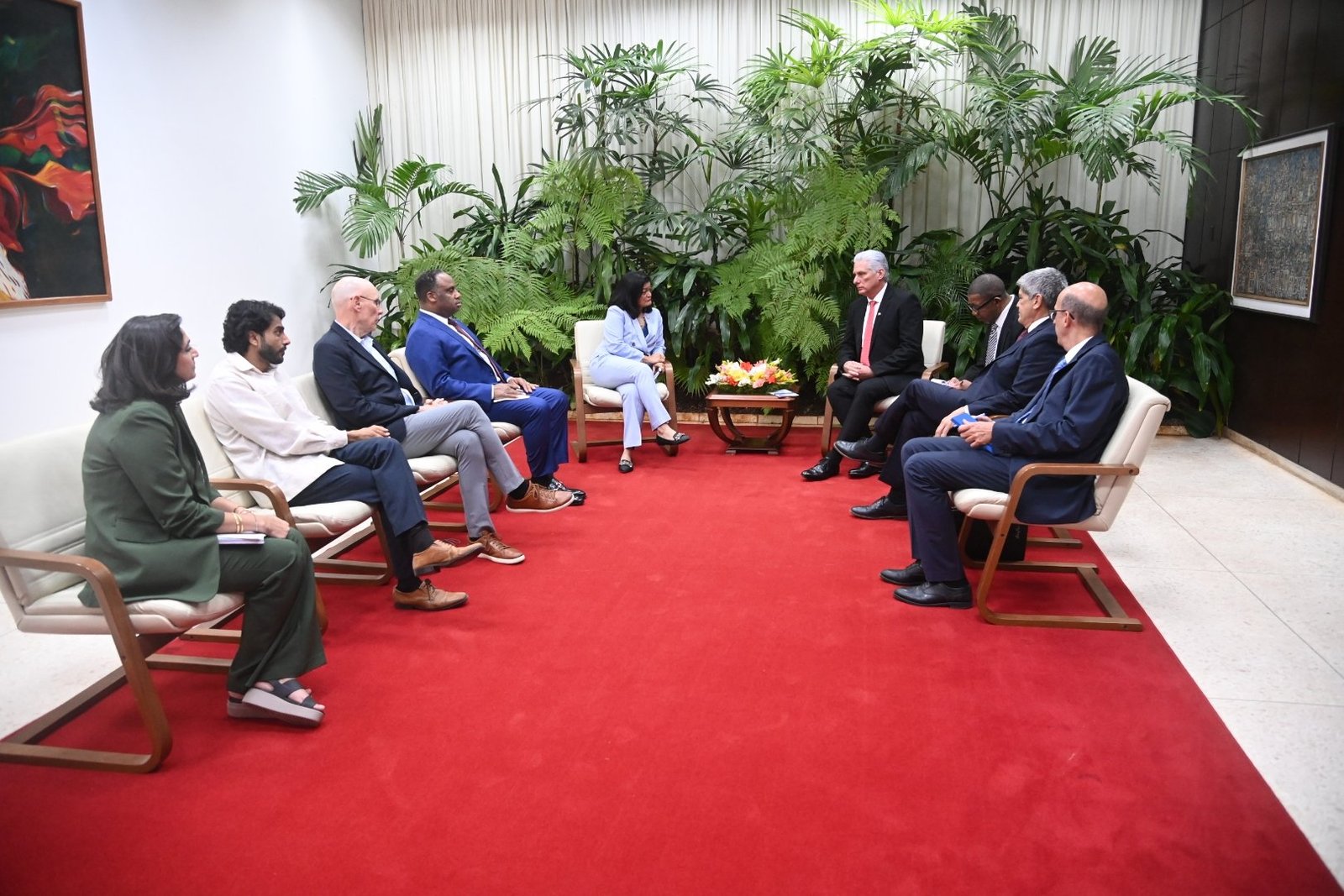
Background of the Visit
The lawmakers described the trip as an effort to witness firsthand the impact of the Trump administration’s tightened energy restrictions and de facto oil blockade on ordinary Cubans. They publicly denounced the policy as “economic bombing” and an “illegal blockade,” calling on the White House to “bring the rhetoric down” and pursue real negotiations with Havana.
Cuba’s Political Prisoners
Human rights groups continue to document a significant number of political prisoners in Cuba. According to monitoring organizations, the island holds hundreds of individuals jailed for political reasons, with some estimates exceeding 1,200 as recently as February 2026. Reports indicate that this number includes minors, many detained during protests or for expressing dissent online. While Cuba has announced limited prisoner releases in recent months, critics argue the overall crackdown on political opposition remains severe.
Trump’s Stance: “Cuba Is Next”
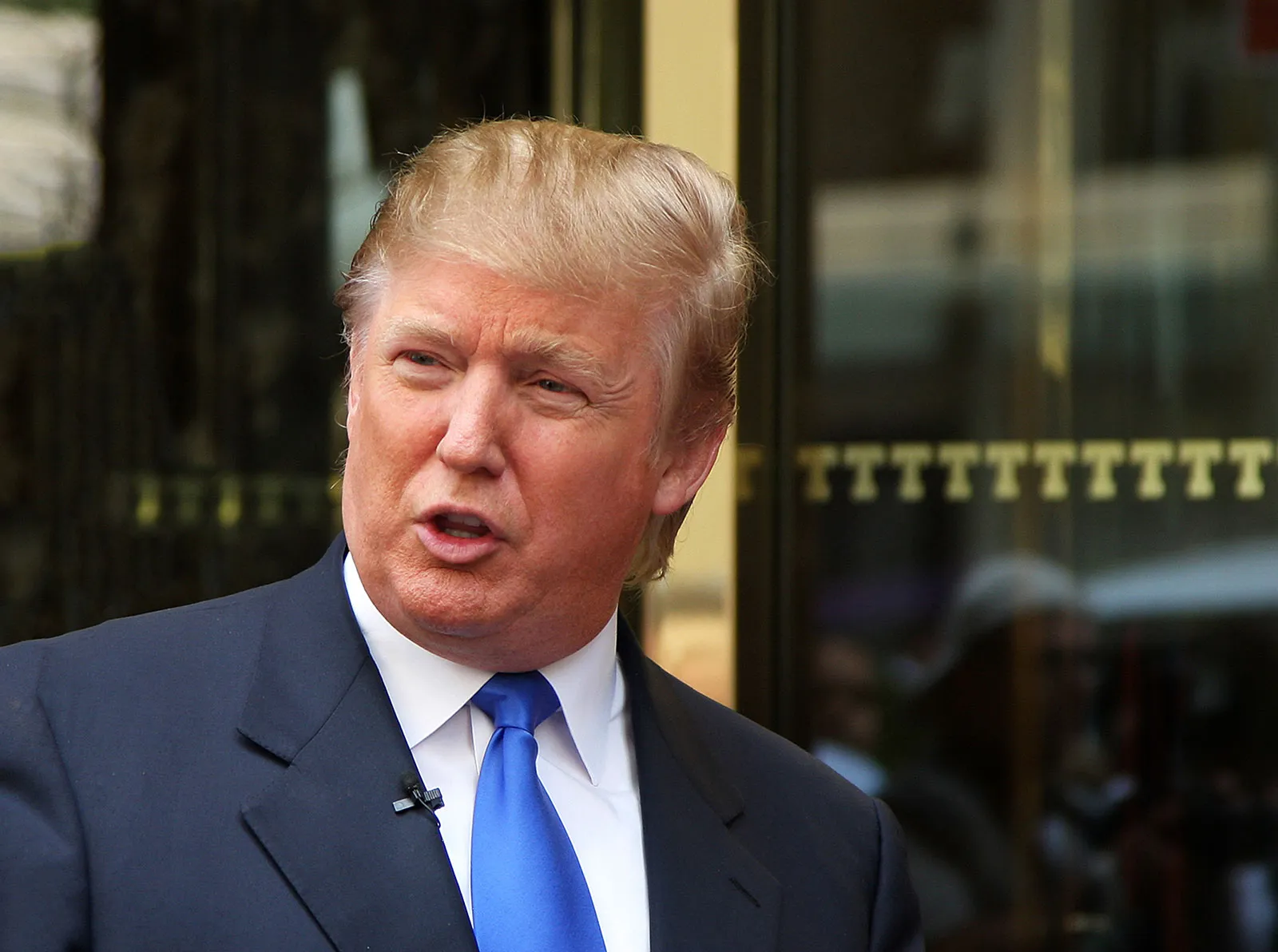
President Donald Trump has repeatedly signaled that Cuba could face heightened U.S. pressure following developments in Iran and Venezuela. In late March, he stated publicly that “Cuba is next,” a remark that fueled speculation about possible further sanctions, energy restrictions, or even stronger measures aimed at regime change.
Marco Rubio’s Alleged Conversations with the Regime
Secretary of State Marco Rubio, a longtime critic of the Cuban government, has been involved in behind-the-scenes diplomatic contacts with Havana. Reports indicate Rubio has engaged in discussions — including indirect channels involving members of the Castro family — exploring potential economic reforms in exchange for political changes on the island. While Rubio has publicly insisted that Cuba needs “new people in charge,” these conversations suggest the administration is keeping limited lines of communication open even as it ramps up pressure.
Why This Matters
The timing and optics of the Democratic visit come at a sensitive moment for U.S.-Cuba relations and could carry significant political fallout for the Democratic Party. By traveling to Havana and sharply criticizing Trump’s Cuba policy while the regime continues to hold political prisoners, including minors, the lawmakers risk being portrayed as sympathetic to a government long accused of suppressing dissent and human rights abuses. This perception could alienate moderate voters and Cuban-American communities in key swing states like Florida, where anti-communist sentiment remains strong.
For the Democratic Party more broadly, the trip reinforces a narrative that some Democrats are willing to engage with authoritarian regimes even as the Trump administration pursues a hardline approach. Critics argue it undercuts bipartisan efforts to pressure Cuba on human rights and democracy, potentially handing Republicans a potent talking point ahead of future elections.
On the foreign policy front, the visit highlights the growing divide between the executive branch and congressional Democrats on how to deal with Cuba. While Trump and Rubio appear to be balancing maximum pressure with selective diplomatic outreach, the Democratic lawmakers’ public calls for eased rhetoric may complicate those efforts and embolden the Cuban regime to resist reforms.
The episode also raises broader questions about U.S. credibility in the Western Hemisphere. If Cuba’s political prisoners and repression are downplayed in pursuit of engagement, it could weaken America’s moral authority when criticizing other authoritarian governments. At the same time, the alleged Rubio-led conversations show the administration is not pursuing pure confrontation, suggesting a more nuanced strategy than public rhetoric sometimes implies.
Ultimately, the visit underscores how Cuba remains a flashpoint in U.S. politics, one that blends human rights concerns, domestic electoral calculations, and great-power competition with China and Russia, both of which maintain close ties to Havana. As Trump continues to warn that “Cuba is next,” the Democratic delegation’s actions may intensify partisan battles over the island’s future and test whether engagement or pressure is the more effective path forward.
Sources (as of April 7, 2026):
- Reuters, Associated Press, and U.S.-Cuba Trade and Economic Council reporting on the congressional visit
- Prisoners Defenders and Human Rights Watch data on political prisoners
- President Trump’s public statements and Fox News coverage of “Cuba is next”
- State Department and media reports on Secretary Rubio’s diplomatic contacts
Disclaimer: This article is a curated news roundup and analysis compiled by the Candid Brief News editorial team based on reporting from multiple established and trusted sources. Candid Brief News adds value through careful story selection, neutral summaries, contextual analysis, and occasional original commentary. We do not claim to have independent on-the-ground reporting for every story. Readers are encouraged to visit the original sources linked in each article for full details and the latest updates. All credit for original reporting belongs to the respective journalists and news organizations.