
Behind the NOTAM: What the Jet Fuel Shortage at José Martí International Airport Means
By Candid Brief News | CandidBrief.com | Feb 8th, 2026
A newly issued aviation notice is raising concerns about flight operations in and out of Havana, Cuba. According to Notice to Airmen (NOTAM) A0356/26, Jet A-1 fuel is not available at José Martí International Airport (MUHA) for an extended period, spanning February 10 through March 11, 2026. While the language of the notice is brief, the operational and economic implications are far-reaching.
The FAA-issued NOTAM states that Jet A-1 fuel is unavailable at Havana’s main international airport. Jet A-1 is the standard fuel used by nearly all commercial jet aircraft worldwide. Without it, most airliners cannot refuel on the ground in Havana, forcing operators to make alternative arrangements or suspend service altogether.
The NOTAM applies to all flight operations, with no altitude or operational exemptions, meaning it affects:
- Commercial passenger airlines
- Cargo operators
- Charter and business jets
- Government and diplomatic flights
This is not a short disruption. A month-long fuel outage at a major international airport is a serious logistical failure by global aviation standards.
Why This Matters
Fuel availability is the backbone of airport operations. When Jet A-1 is unavailable:
- Aircraft may arrive with extra fuel, reducing payload capacity
- Airlines may be forced to schedule technical fuel stops elsewhere
- Some operators may cancel or suspend routes entirely
- Emergency diversions become more complicated and riskier
For airlines, carrying extra fuel increases weight, which in turn increases fuel burn. For longer routes, this may not even be feasible due to aircraft performance limits.
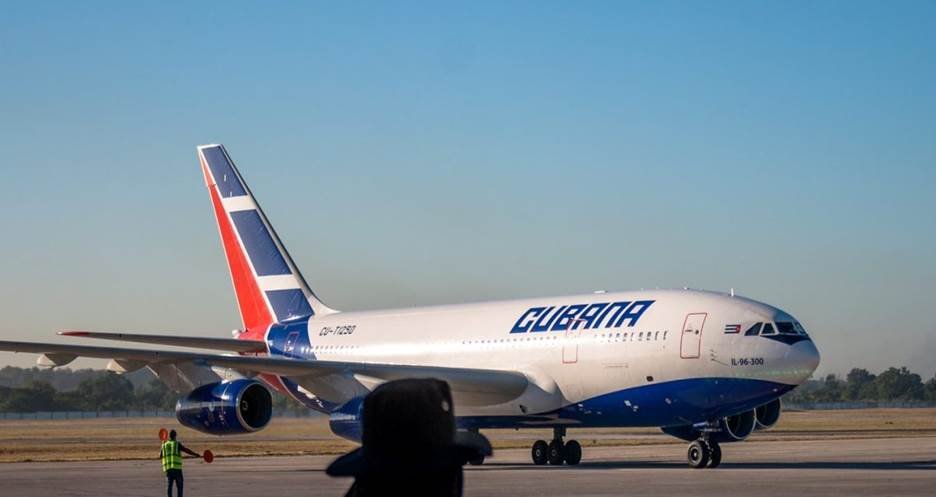
Cubana Il-96 taxies into the tarmac.
Impact on Airlines and Passengers
Flights to Havana are already operationally complex due to regulatory, economic, and infrastructure constraints. This NOTAM adds another layer of difficulty.
Passengers could experience:
- Flight cancellations or schedule reductions
- Longer flight times due to fuel stops
- Last-minute aircraft swaps to smaller or more fuel-efficient jets
- Higher fares as airlines absorb added costs
Cargo operators may be hit even harder. Fuel restrictions often mean less cargo capacity, disrupting supply chains and increasing shipping costs.
A Broader Signal of Infrastructure Stress
Extended fuel shortages at a capital city’s primary international airport are unusual. In most countries, aviation fuel supply is treated as critical infrastructure, with redundancies built in to prevent prolonged outages.
This NOTAM may signal:
- Fuel supply chain disruptions
- Economic or logistical constraints
- Maintenance or storage facility issues
- Government allocation or rationing decisions
While the NOTAM itself does not explain why fuel is unavailable, the duration suggests this is not a routine maintenance issue.
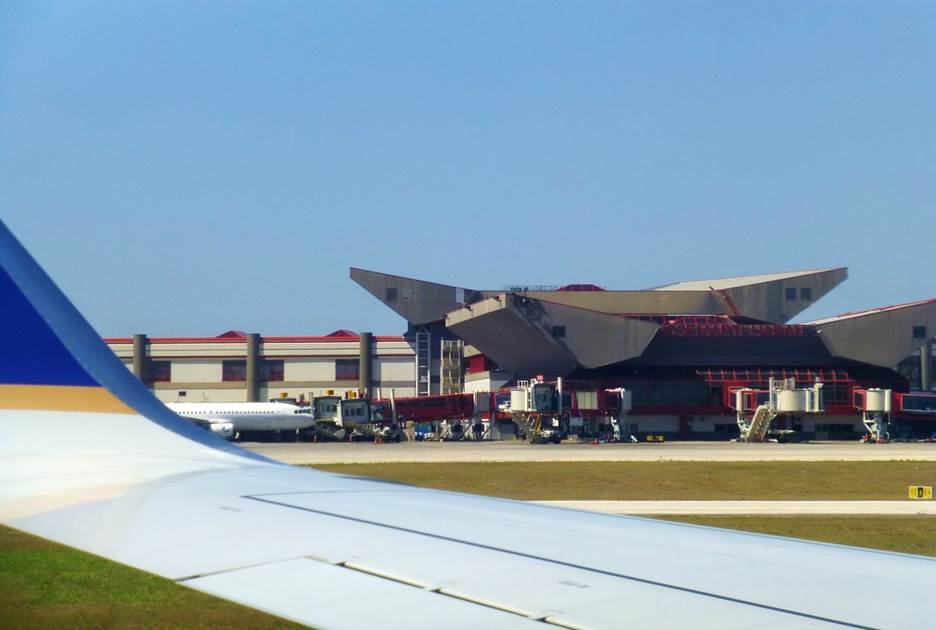
Aircraft approaches Terminal 3 in Havana
Why Pilots and Operators Take This Seriously
NOTAMs are not advisory; they are operationally binding. Airlines and pilots are required to plan flights as if fuel will not be available at all during the published window.
That means:
- No assumptions of partial availability
- No reliance on last-minute deliveries
- No expectation of on-site mitigation
Any aircraft diverting unexpectedly into Havana during this period could face significant challenges, including limited options to continue onward without fuel support.
What to Watch Going Forward
If fuel availability is restored early, a follow-up NOTAM would be issued canceling or amending A0356/26. Until then, operators will plan conservatively.
Key indicators to watch:
- Airline route suspensions or frequency cuts
- Increased fuel stops in nearby Caribbean airports
- Additional NOTAMs extending the outage beyond March
For now, the message is clear: Havana is operating without jet fuel, and that has ripple effects well beyond Cuba’s borders.
Disclosure: This article is based on publicly available information and coverage by other news outlets, independently summarized and rewritten by CandidBrief.
Related coverage on regional security developments is available on CandidBrief.com