
Behind the Headlines: Why a Second US Aircraft Carrier Is Moving Toward Iran, and What That Says About War Risk
By Candid Brief News | CandidBrief.com | Feb 13 , 2026
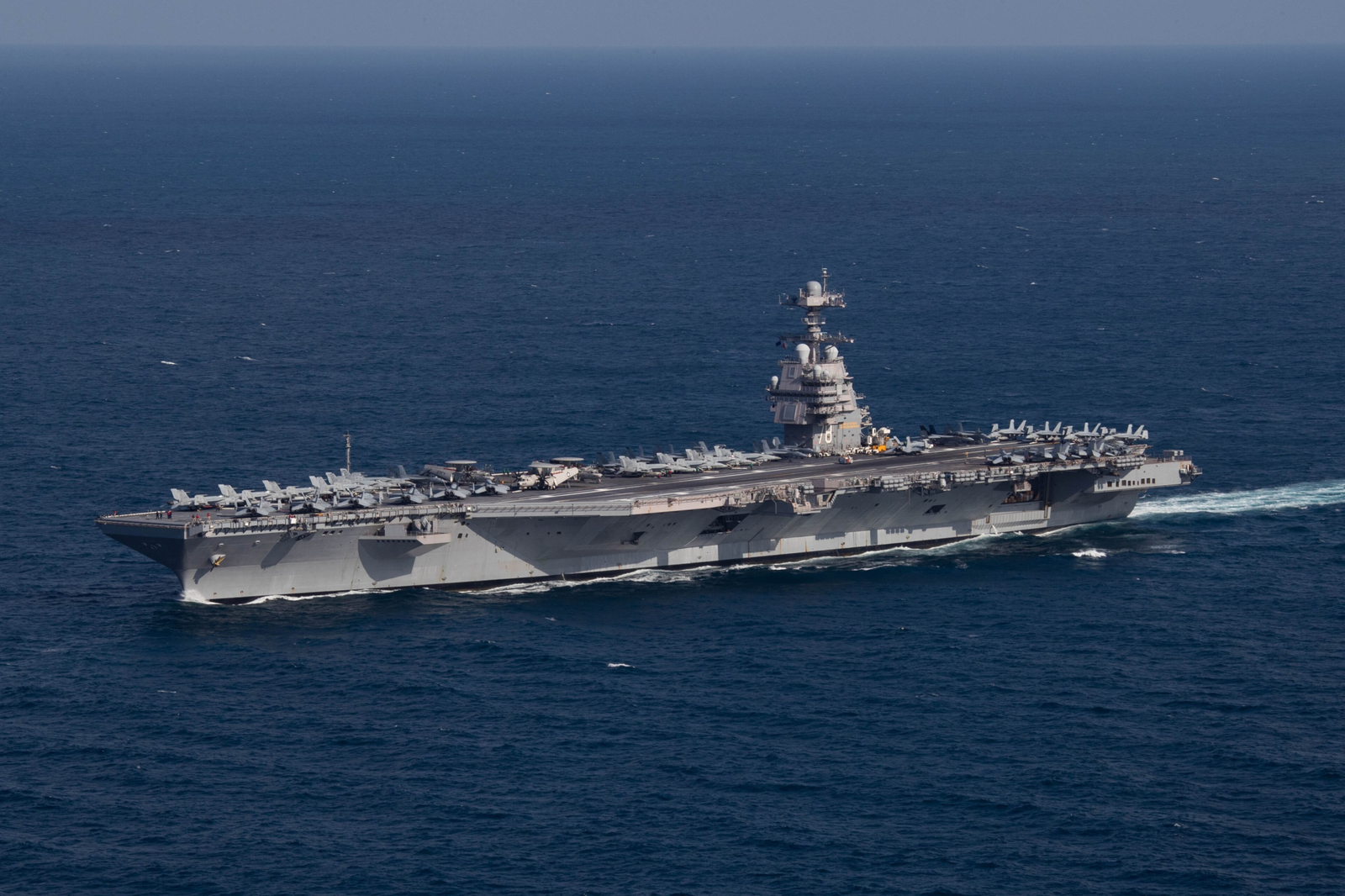
The US has ordered the USS Gerald R. Ford to redeploy from the Caribbean to the Middle East, creating a rare moment where two US aircraft carriers will be positioned in the region alongside the USS Abraham Lincoln. That move, paired with a visible surge in strategic airlift traffic, is fueling one central question: is this deterrence theater, or the early stage of a real military showdown with Iran.
What’s Going On
President Donald Trump said the second carrier is being sent as leverage while he pursues an Iran deal, but also as a hedge if talks fail. Reporting also notes the Ford’s redeployment comes after it operated in the Caribbean during the recent Venezuela episode, then received new orders as Iran tensions rose. At the same time, the US has issued guidance urging US flagged vessels transiting the Strait of Hormuz to keep as far from Iranian waters as possible, a sign Washington is treating the maritime environment as elevated risk.
Why This Matters
A second carrier does three things that matter immediately. First, it increases options. Carrier air wings add persistent strike, surveillance, and defensive capability without relying on host nation basing. Second, it signals intent. Moving the Ford from the Caribbean is not subtle. It is a public demonstration that the US is willing to reallocate top tier assets to CENTCOM if needed. Third, it changes escalation math. Two carriers complicate Iranian planning, but they also increase the number of high value assets in a tight geography, which raises the stakes if miscalculation occurs.
The C-17 Globemaster Movement, What It Suggests
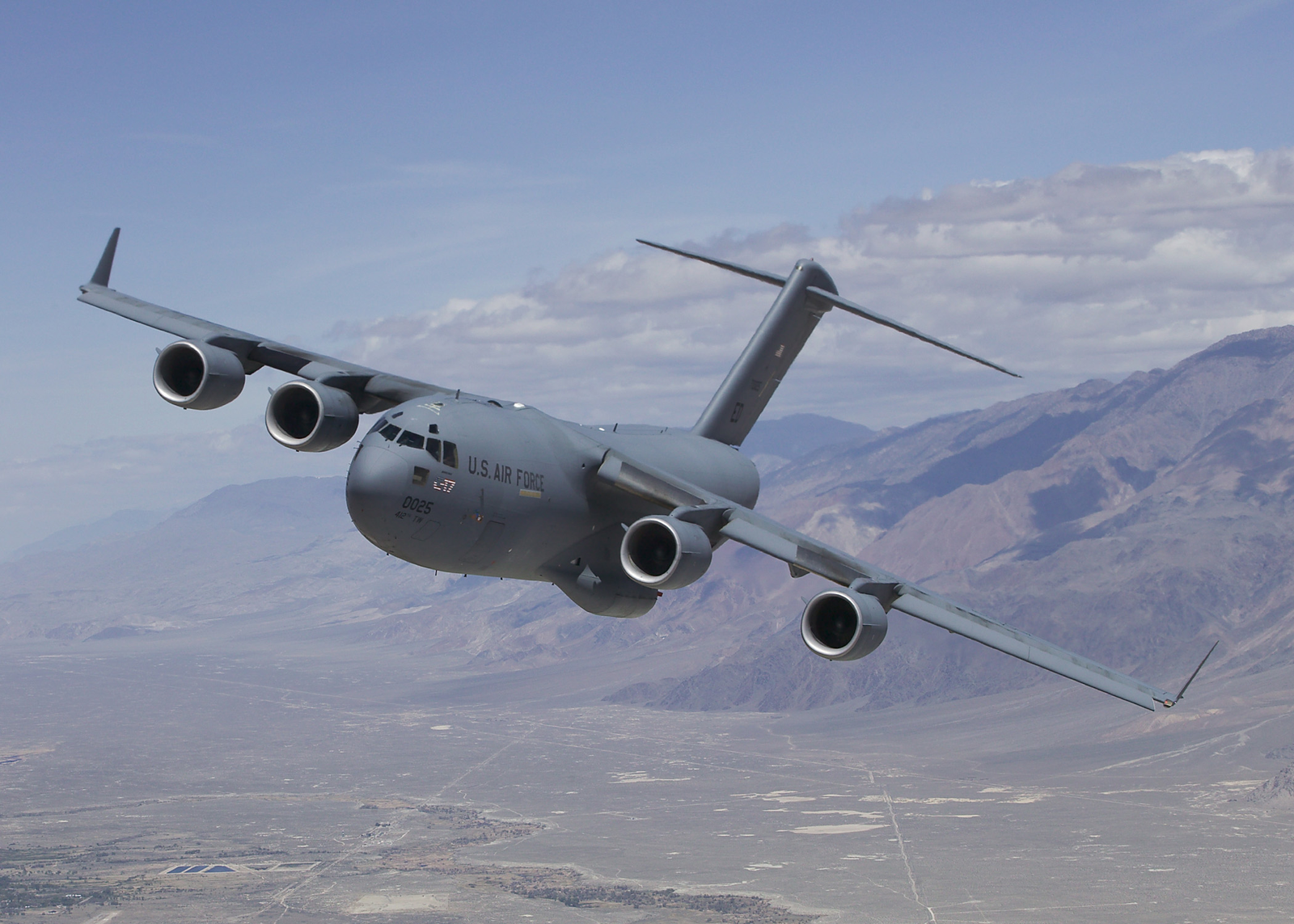
Open source flight tracking cited by multiple outlets indicates a large increase in US heavy airlift sorties, including C-17 flights into Middle East bases over recent weeks. What that usually means is logistics are being set up for more than speeches. Airlift supports things like air defense gear, munitions, maintenance teams, and enabling forces that make sustained operations possible. It can still be consistent with deterrence, but it is the kind of activity you see when planners want the option to move fast.
What’s Driving the Current US Iran Situation
What you are seeing is pressure on several tracks at once. The diplomatic track. Reporting describes stalled or uncertain negotiations, with Trump publicly framing the carrier move as insurance if diplomacy fails. The military track. Analysts and reporting emphasize the US is still building the regional posture needed for a major operation, which is part of why the carrier move is significant. Trump has been unusually direct in public comments and interviews about keeping military options real, including talk that a second carrier could support strikes if talks collapse.
Odds of an Actual Armed Conflict
A direct US Iran shooting war is not inevitable, and both sides have incentives to avoid it. Iran risks severe damage to key military and strategic infrastructure. The US risks regional escalation, partner politics, and attacks on forces and shipping. But the risk is meaningfully higher than normal because forces are being concentrated and warnings are being issued.
What to Watch Next
The Ford’s arrival timeline and where it positions relative to the Gulf of Oman and Arabian Sea. Whether the C-17 surge continues, or shifts from general movement to more specialized deployments. Additional maritime warnings or restrictions for shipping, especially around the Strait of Hormuz. Trump’s next set of public statements, particularly any move from deal language to deadline language.
Bottom Line
The redeployment of the USS Gerald R. Ford from the Caribbean to join a second carrier in the Middle East is a major escalation in posture, designed to pressure Iran and keep strike options credible. The parallel airlift pattern suggests planners are building flexibility, even if the public message remains deal first.
Right now, the most likely outcome is still intense brinkmanship with periodic flare ups, not an all out war. But the risk of a real kinetic incident is no longer remote.
Disclosure: This article is based on publicly available information and coverage by other news outlets, independently summarized and rewritten by CandidBrief.
Related coverage on regional security developments is available on CandidBrief.com