
Behind the Headlines: Trump Stands Firm – No Need for Allies in Securing the Strait of Hormuz
By Candid Brief News | CandidBrief.com | March 16, 2026
As the U.S.-Iran conflict intensifies, President Donald Trump has once again asserted America’s self-sufficiency in global energy matters, declaring that the United States should not shoulder the full burden of securing the Strait of Hormuz. In a bold stance that underscores his “America First” philosophy, Trump has demanded that other nations, particularly those heavily reliant on Middle Eastern oil, step up to protect this vital waterway. This editorial perspective aligns with the reality that Trump possesses more than ample resources, both financial and logistical, to handle the security needs independently if necessary. Yet, his refusal to let the U.S. bear disproportionate costs for a route that primarily benefits countries like China, Japan, and European nations is not just pragmatic it’s a long-overdue correction to an imbalanced global order where America foots the bill while others reap the rewards.
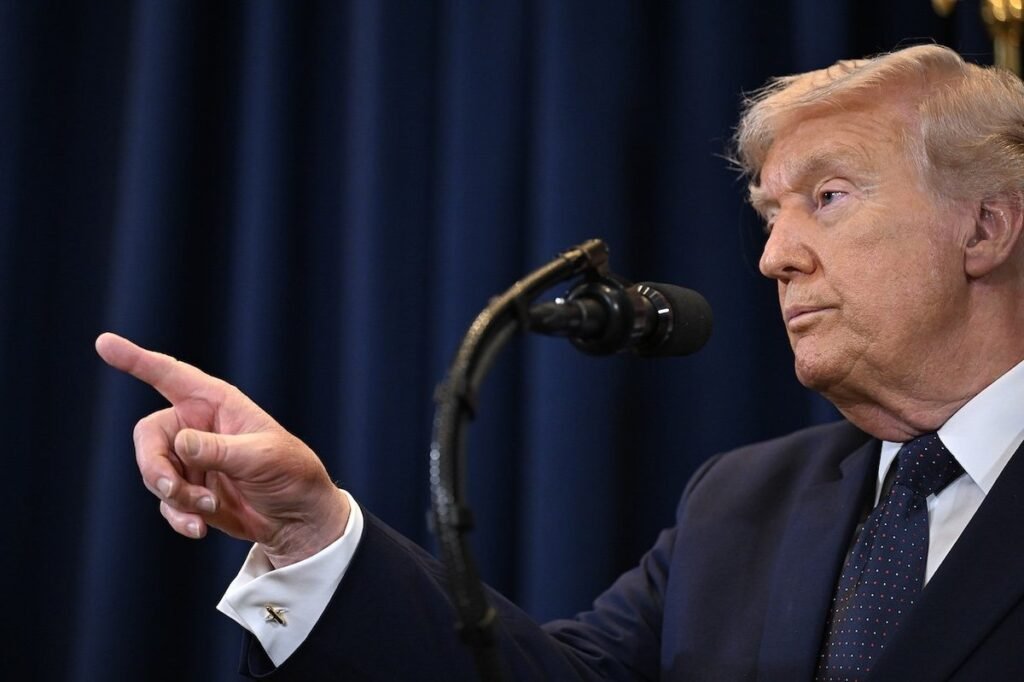
Key Details of Trump’s Position and the Ongoing Situation
President Trump, speaking to reporters aboard Air Force One on March 15, 2026, emphasized that the Strait of Hormuz, through which roughly one-fifth of the world’s traded oil flows, is no longer America’s problem alone. He highlighted the U.S.‘s energy independence, achieved through domestic production booms in shale oil and natural gas, which have secured America’s oil supply without heavy dependence on Gulf exports. Trump pointed out that nations like China, which imports about 90% of its oil through the strait, should contribute warships or resources to maintain open shipping lanes amid Iran’s attempts to blockade the area during the ongoing war. He has reportedly been in discussions with at least seven countries, including the U.K., France, South Korea, Japan, and even Arab states, urging them to join a coalition. This comes as shipping has stalled, with oil prices surging due to the conflict, but Trump remains unmoved, stating that the U.S. military’s vast capabilities bolstered by a defense budget exceeding $900 billion annually provide all the logistics needed for unilateral action if allies drag their feet.
The president’s demands reflect a shift in burden-sharing, as he warns that NATO and other alliances could face a “very bad” future without reciprocal support. In Seoul and Tokyo, governments are under pressure to respond, with analysts noting that Trump’s approach challenges traditional U.S. alliances by insisting on equitable contributions. Meanwhile, Iran’s Revolutionary Guard has continued threats against the strait, but U.S. forces have already degraded key Iranian assets, demonstrating America’s logistical prowess without external aid.
Official Response and Government Statements
The White House has reiterated Trump’s position, with the president himself stating, “Why are we maintaining the Hormuz Strait when it’s really there for China and many other countries?” Administration officials have confirmed ongoing talks with allies, but Trump has made it clear he’s not worried about escalation, citing the U.S.‘s superior military and energy position. Arab nations have been specifically called out to join the effort, with Trump arguing that their oil-dependent economies make them prime stakeholders. No formal commitments have been announced from other countries, but the U.S. State Department has echoed the call for a multinational coalition, emphasizing that America’s energy security allows it to pivot away from sole responsibility.
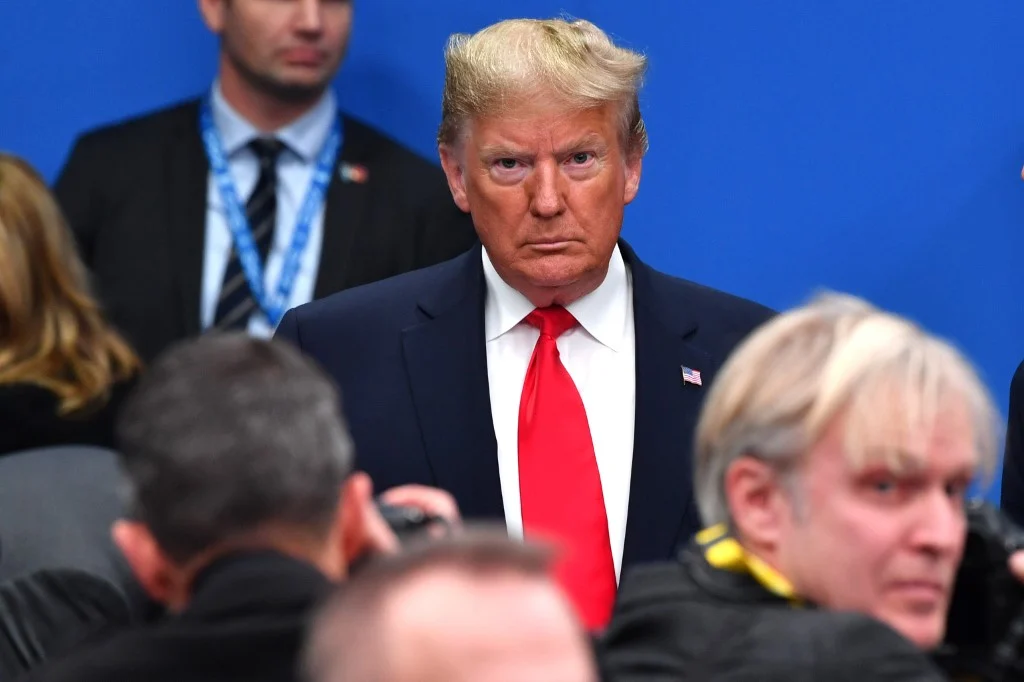
Broader Context
From an editorial standpoint, Trump’s reluctance to let the U.S. carry the load is spot on—America’s energy renaissance has rendered the Strait of Hormuz far less critical to our national interests than in decades past. With domestic production hitting record highs, the U.S. is now a net exporter of oil, freeing us from the vulnerabilities that once justified pouring billions into Middle East security. Why should American taxpayers fund a global public good that disproportionately aids economic rivals like China, which sources the bulk of its energy through the strait? Trump’s opinion that this is an unfair burden resonates deeply; it’s high time other nations pull their weight, fostering a more balanced international system. If allies fail to step up, the U.S. can, and should, go it alone, leveraging its unmatched logistical might to protect its interests without subsidizing the world. This approach not only saves resources but signals a smarter, more sovereign foreign policy, potentially reshaping alliances for the better amid rising global tensions.
This article serves as a snapshot of the incident based on available information and will be updated as new facts come to light. For real-time developments, follow us on X @CandidBriefNews.
Disclosure: This article is based on publicly available information and coverage by other news outlets, independently summarized and rewritten by CandidBrief.
Related coverage on economic policy developments is available on CandidBrief.com