
Behind the Headlines: The Supreme Court’s Decision Against the Tariffs
By Candid Brief News | CandidBrief.com | Feb 20, 2026
In a landmark 6-3 ruling on February 20, 2026, the United States Supreme Court struck down President Donald Trump’s use of emergency powers to impose sweeping tariffs on imports from key trading partners, marking a significant rebuke to one of his signature economic policies.
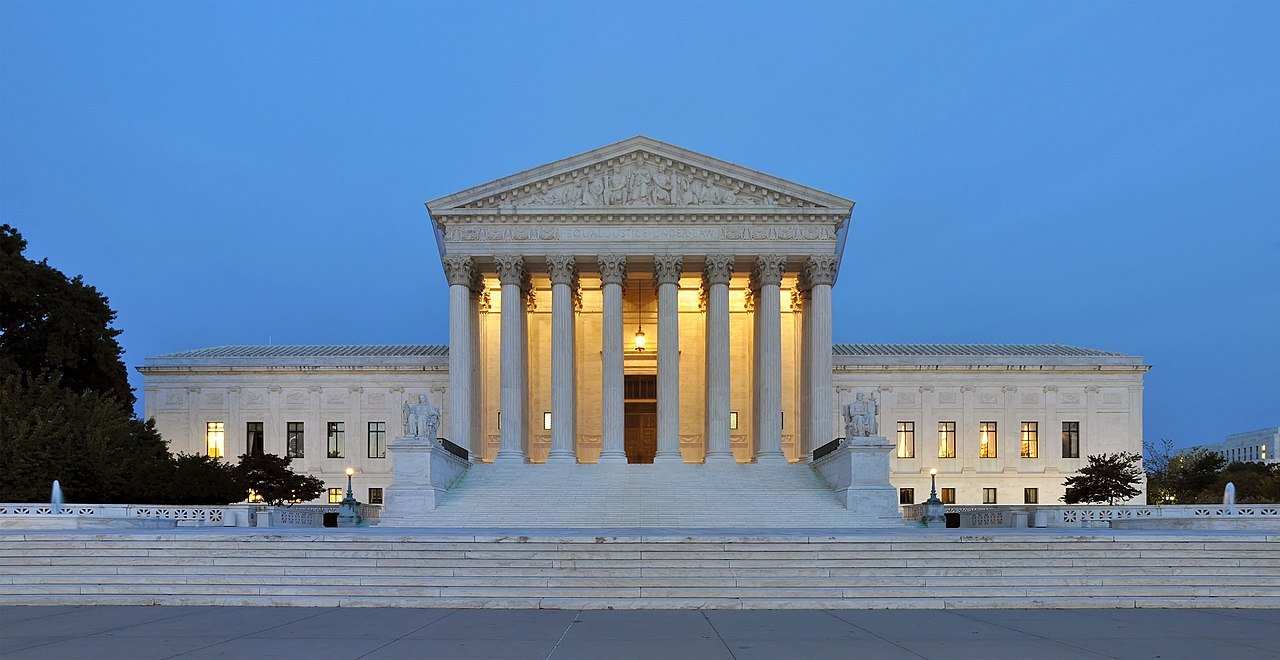
The decision, authored by Chief Justice John Roberts, held that Trump exceeded his authority under the International Emergency Economic Powers Act (IEEPA) by invoking it to levy tariffs, affirming that such powers belong primarily to Congress. This ruling affects billions in trade and could reshape executive authority in economic matters.
From Trade Wars to the High Court
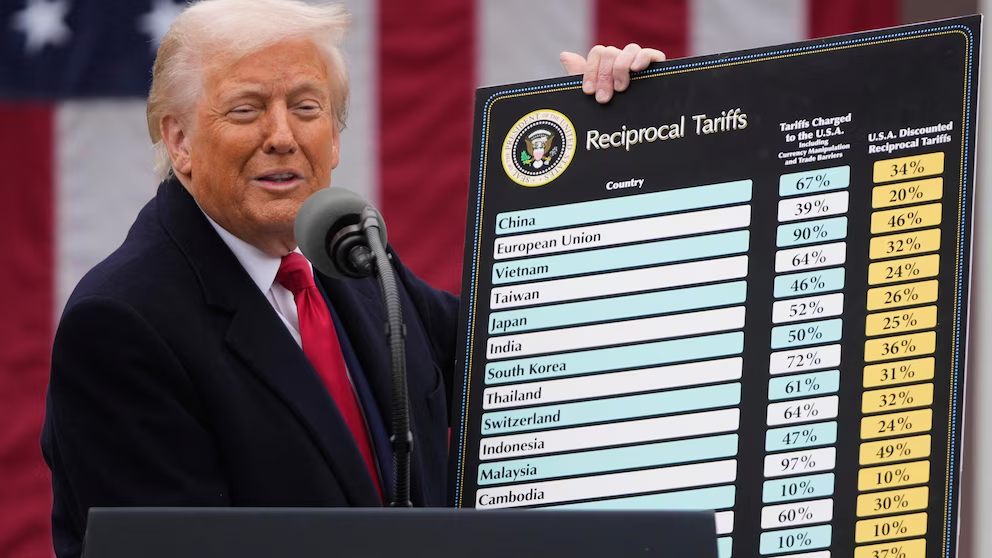
President Trump’s tariffs began as a cornerstone of his “America First” agenda, targeting imports like steel, aluminum, and goods from China, Canada, Mexico, and others. Invoked under IEEPA a 1977 law designed for national emergencies, these measures were justified as responses to threats like unfair trade practices, migration, and drug flows. Critics, including businesses and importers, challenged the tariffs in cases like Learning Resources, Inc. v. Trump and Trump v. V.O.S. Selections, Inc., arguing they unconstitutionally bypassed Congress’s exclusive power to regulate commerce and impose duties under Article I, Section 8 of the Constitution.
The tariffs, estimated to be worth up to $175 billion, sparked global retaliation and economic uncertainty, prompting lawsuits that escalated to the Supreme Court after lower courts ruled against the administration. Oral arguments in November 2025 highlighted debates over executive overreach in foreign affairs.
The Landmark Ruling
In the majority opinion, Chief Justice Roberts, joined by Justices Amy Coney Barrett, Neil Gorsuch, Sonia Sotomayor, Elena Kagan, and Ketanji Brown Jackson, concluded that IEEPA’s language allowing the president to “regulate…importation” does not extend to imposing tariffs. The Court applied the “major questions doctrine,” requiring clear congressional authorization for actions with vast economic and political significance, and found IEEPA ambiguous on tariffs, which are distinct from sanctions like embargoes or asset freezes.
Roberts emphasized that tariffs are a form of taxation, a core legislative function, and that IEEPA lacks explicit terms like “duty” or “tariff” seen in other trade laws. The ruling does not invalidate all Trump tariffs, only those under IEEPA, leaving options like Section 232 of the Trade Expansion Act intact.
Dissenting Opinions and Key Debates
Justices Clarence Thomas, Samuel Alito, and Brett Kavanaugh dissented, arguing that “regulate” historically includes tariffs as a tool to manage importation. Kavanaugh’s dissent highlighted precedents like Nixon-era tariffs and warned that the majority’s view hampers presidential flexibility in national security and foreign affairs. Thomas added concerns over nondelegation, viewing tariffs as delegable privileges rather than core rights. The majority rejected these, distinguishing tariffs from other regulations and stressing separation of powers, even in emergencies.
immediate Reactions and Economic Ripples
President Trump swiftly criticized the ruling as a “disaster” for American workers, vowing to pursue alternatives through Congress or other authorities. Business groups hailed it as a victory for free trade, predicting lower costs and reduced inflation. Global markets reacted positively, with stocks rising amid eased trade tensions.
Congressional leaders from both parties weighed in, with some Democrats praising the check on executive power and Republicans lamenting lost leverage in trade negotiations. Analysts estimate the decision could unwind tariffs on key sectors, benefiting consumers but challenging industries protected by their duties.
Why This Decision Matters
The ruling reinforces Congress’s role in economic policy, curbing what critics called an imperial presidency. It sets a precedent under the major questions doctrine for future executive actions, potentially affecting areas like climate regulation or immigration. For global trade, it signals a shift toward multilateralism, pressuring the U.S. to renegotiate deals without unilateral threats. Ultimately, it reminds that even in emergencies, constitutional boundaries endure.
Looking Ahead
As the administration explores workarounds, Congress may revisit trade laws to clarify presidential powers. This decision closes one chapter in America’s trade wars but opens debates on balancing security, economy, and governance in an interconnected world.
Disclosure: This article is based on publicly available information and coverage by other news outlets, independently summarized and rewritten by CandidBrief.
Related coverage on economic policy developments is available on CandidBrief.com