
Behind the Headlines: Mojtaba Khamenei Reportedly Flown to Russia for Emergency Surgery Amid War Injuries
By Candid Brief News | CandidBrief.com | March 16, 2026
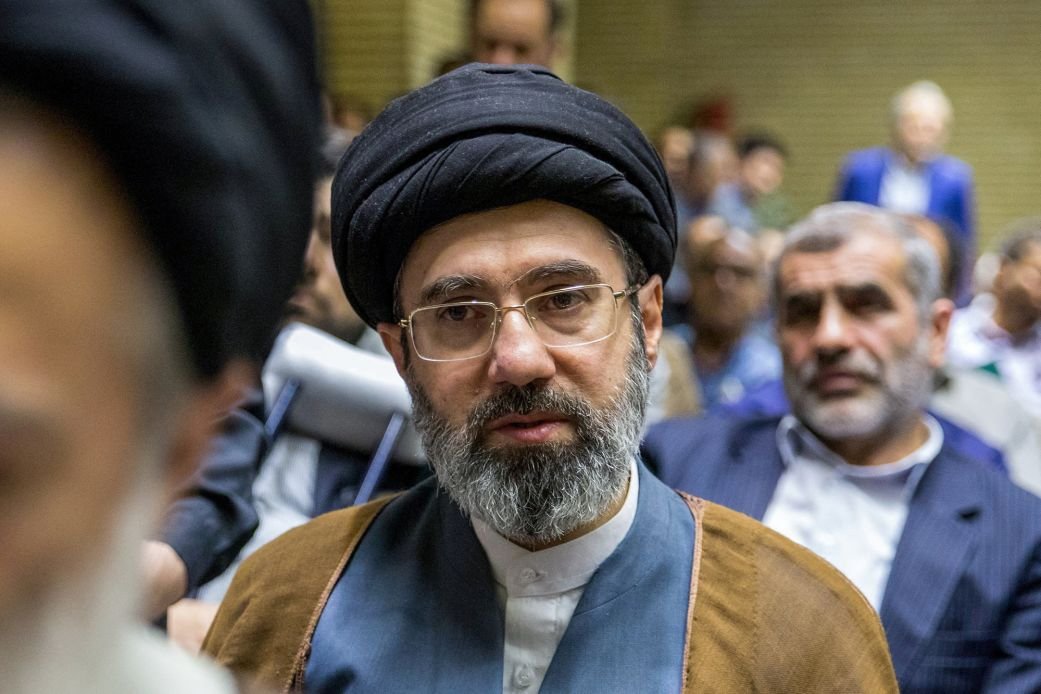
In a development shrouded in secrecy and speculation, Iran’s newly appointed Supreme Leader Mojtaba Khamenei has reportedly been airlifted to Russia for emergency medical treatment following severe injuries sustained during recent airstrikes on Tehran. According to unconfirmed reports from Kuwaiti media, the 56-year-old cleric underwent surgery in Moscow, highlighting the deepening ties between Iran and Russia amid the ongoing U.S. – Iran conflict. The incident has fueled rumors about Khamenei’s health, including claims of a possible leg amputation, and raised questions about Iran’s leadership stability at a critical juncture.
Key Details of the Incident and Surgery
Reports emerging from Kuwaiti newspaper Al-Jarida claim that Mojtaba Khamenei, son of the late Supreme Leader Ali Khamenei, was seriously wounded in airstrikes targeting Tehran in early March 2026. Citing a high-ranking source close to the new leader, the outlet detailed that Khamenei suffered critical injuries to his leg, necessitating immediate and specialized surgical intervention unavailable in Iran due to the war’s disruption of medical facilities. The evacuation was conducted under strict secrecy, with Russian President Vladimir Putin personally offering assistance by dispatching a military aircraft to Tehran. Khamenei was flown to Moscow on March 12, where he underwent a “successful” operation at one of Putin’s presidential palaces, accompanied by Russian doctors and a small team of Iranian medics. Speculation about the extent of his injuries has intensified, with some sources alleging that the surgery involved amputation of his leg, though this remains unverified and could stem from visible mobility issues in prior public appearances or exaggerated wartime propaganda.
The timing of the procedure coincides with Iran’s escalating military challenges, including widespread infrastructure damage from U.S. and Israeli strikes. While Iranian state media has not addressed the reports, independent journalists and opposition figures have circulated videos and claims suggesting Khamenei’s absence from key decision-making circles since the injury, prompting concerns about a power vacuum.
Official Response and Government Statements
Neither the Iranian government nor Russian authorities have officially confirmed or denied the reports, maintaining a veil of silence that has only amplified speculation. Iranian state media has focused on rallying national unity against external aggressors, without mentioning Khamenei’s health or whereabouts. In Moscow, Kremlin spokespersons have dismissed inquiries as “baseless rumors,” emphasizing continued support for Iran’s sovereignty but avoiding specifics on medical aid. U.S. officials, including Secretary of State Marco Rubio, have referenced the reports in briefings, noting that any leadership instability in Iran could accelerate the regime’s collapse amid the war. No formal statements from Khamenei’s inner circle have emerged, though proxies have urged calm and portrayed the Supreme Leader as actively guiding the nation from an undisclosed location.
Broader Context
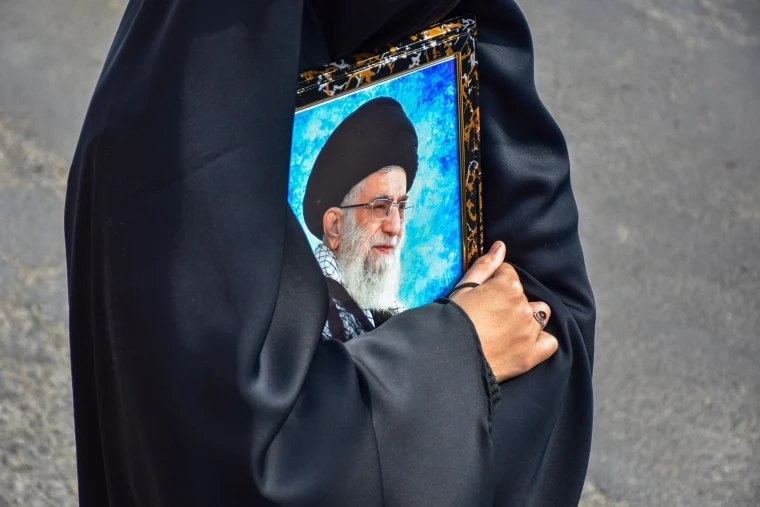
The reported surgery and potential leg amputation carry profound implications for Iran’s future, particularly regarding succession and governance in a time of crisis. As the presumed heir to his father, Mojtaba Khamenei’s ascension was already controversial, marked by internal factional disputes within the Islamic Revolutionary Guard Corps and clerical establishment. A debilitating injury could undermine his authority, sparking power struggles among hardliners and reformists alike, and potentially weakening Iran’s resolve in the ongoing conflict. Russia’s involvement underscores the deepening Tehran-Moscow alliance, with Putin positioning himself as a key supporter, possibly leveraging medical aid for greater influence over Iranian policy. For the broader region, Khamenei’s health crisis could hasten diplomatic openings or escalate hostilities, as a vulnerable leader might push for aggressive tactics to consolidate power. In the long term, this episode highlights Iran’s vulnerabilities, from medical infrastructure deficits to reliance on foreign allies, and may fuel domestic unrest if perceptions of weakness grow.
This article serves as a snapshot of the incident based on available information and will be updated as new facts come to light. For real-time developments, follow us on X @CandidBriefNews.
Disclosure: This article is based on publicly available information and coverage by other news outlets, independently summarized and rewritten by CandidBrief.
Related coverage on economic policy developments is available on CandidBrief.com