
Behind the Headlines: Cuba’s Energy Grid Collapse Triggers Nationwide Blackouts and Escalating Riots
By Candid Brief News | CandidBrief.com | March 16, 2026
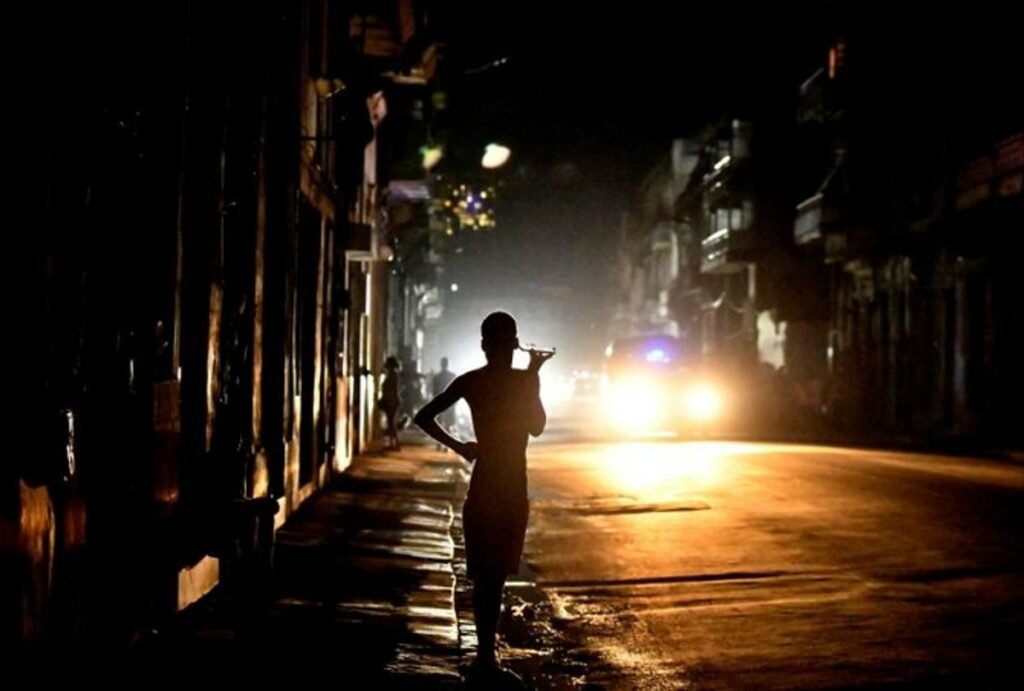
Cuba’s already fragile energy infrastructure has reached a breaking point, with a catastrophic grid collapse plunging the island into widespread darkness and igniting a wave of protests that threaten the stability of the communist regime. Since early March 2026, failures at key power plants, including the Antonio Guiteras facility in Matanzas, have left most of the country without electricity for days on end, exacerbating chronic food shortages, economic despair, and public fury. Riots have erupted in cities across the nation, from Havana to Santiago de Cuba, with demonstrators demanding not just power and provisions but systemic change. As the blackouts persist, the Cuban people face an uncertain future marked by potential humanitarian crises, intensified repression, or even a tipping point toward regime collapse.
Key Details of the Energy Situation and Riots
The crisis began with a major blackout on March 4, 2026, when the Antonio Guiteras plant—the island’s largest—failed, cascading into a nationwide grid collapse that has affected millions. By mid-March, outages have stretched to 18–20 hours daily in some areas, with Havana and western provinces enduring over 60 hours without power in stretches. Fuel shortages, aging Soviet-era infrastructure, and U.S. sanctions have compounded the issue, leaving the grid operating at less than 40% capacity amid a 2,000 MW deficit. Protests have intensified after sundown, shielded by the darkness, with residents banging pots, chanting “Patria y vida” (Homeland and life), and clashing with authorities. In Morón, Ciego de Ávila, rioters stormed the local Communist Party headquarters on March 13, torching furniture and propaganda in a rare act of defiance. Similar unrest has spread to Granma province, where protesters set fire to symbolic sites, and Santiago de Cuba, where crowds have gathered outside police stations demanding freedom and food. Videos circulating despite internet restrictions show chaotic scenes of bonfires, arrests, and confrontations, underscoring the depth of frustration after years of economic hardship.
Official Response and Government Statements
The Cuban government has blamed the blackouts on external factors like U.S. embargoes and internal technical glitches, with President Miguel Díaz-Canel confirming “goodwill” gestures such as releasing some arrested protesters and engaging in talks with the U.S. to ease trade restrictions. State media has downplayed the riots, framing them as isolated incidents provoked by “instigators,” while warning that unrest will be met with punishment. Security forces have been deployed en masse, imposing internet blackouts to curb the spread of information and videos. Internationally, the U.S. has condemned the crackdowns, with officials like Secretary Marco Rubio highlighting the regime’s vulnerability and urging support for the Cuban people. No comprehensive casualty figures have been released, but human rights groups report dozens of arrests and injuries amid the escalating violence.
Broader Context
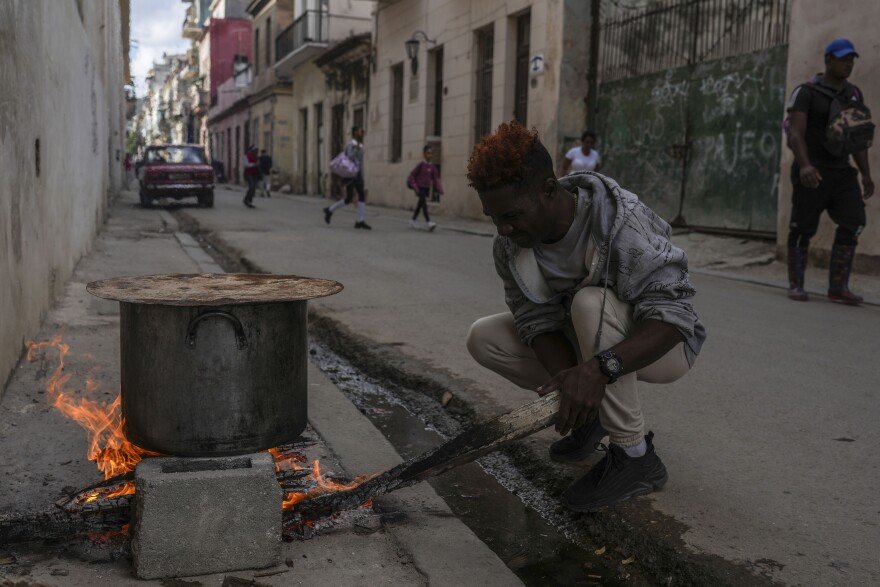
For the Cuban people, the grid collapse signals more than a temporary inconvenience, it’s a harbinger of deeper systemic failure. With over two million emigrants fleeing since 2021, the blackouts have paralyzed daily life, halting hospitals, water pumps, and food preservation, potentially leading to health epidemics and further economic contraction. What could come next? If protests swell into a coordinated uprising, as seen in 2021, the regime might resort to harsher crackdowns, risking international isolation or intervention. Conversely, sustained unrest could force concessions, such as energy reforms or political openings, especially if U.S. talks yield relief. In the worst case, a prolonged crisis might precipitate regime change, with opposition figures abroad amplifying calls for democracy. As darkness lingers, the Cuban people’s resilience is tested, but so is the government’s grip on power, potentially reshaping the island’s future toward greater freedom or entrenched authoritarianism.
This article serves as a snapshot of the incident based on available information and will be updated as new facts come to light. For real-time developments, follow us on X @CandidBriefNews.
Disclosure: This article is based on publicly available information and coverage by other news outlets, independently summarized and rewritten by CandidBrief.
Related coverage on economic policy developments is available on CandidBrief.com