
Two Container Ships Attacked in Strait of Hormuz as Fragile Ceasefire Teeters on Collapse
By Candid Brief News | CandidBrief.com | April 22, 2026
Two container ships came under attack today in the Strait of Hormuz, the latest escalation in the tense standoff between Iran and the United States. The United Kingdom Maritime Trade Operations (UKMTO) confirmed the incidents, which occurred as President Trump had recently extended a fragile ceasefire.
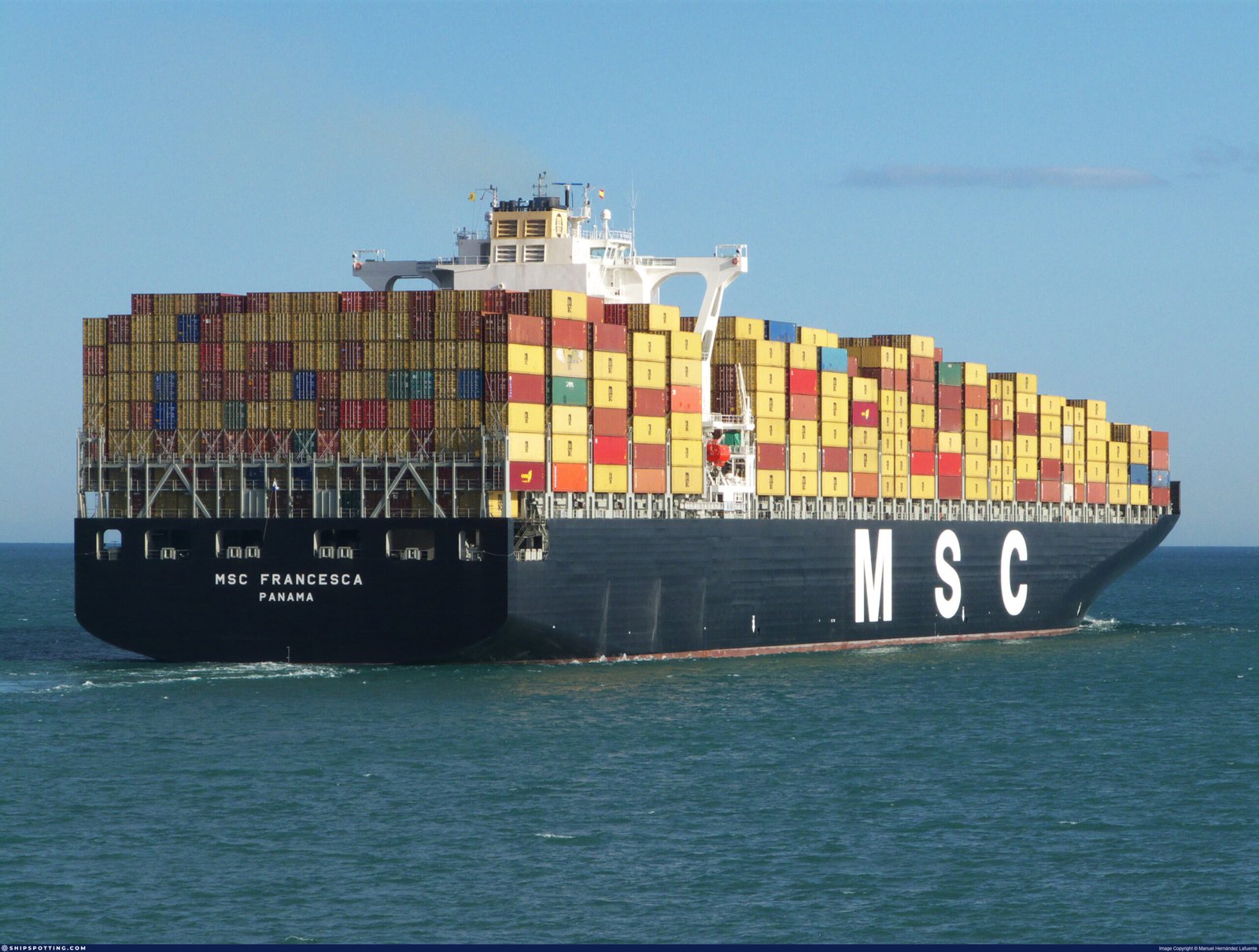
Details of the Attacks
The first vessel targeted was the MSC Francesca, a Panama-flagged container ship. An Islamic Revolutionary Guard Corps (IRGC) gunboat approached the ship without warning and opened fire, causing heavy damage to the bridge. No crew injuries were reported, but the vessel sustained significant structural damage.
A second container ship was also fired upon in a separate incident a short time later. UKMTO reported the vessel was hit and subsequently stopped in the water. Iranian state-affiliated media confirmed IRGC involvement, claiming the ships had entered the area without proper authorization and tampered with navigation systems.
Both attacks occurred near the eastern approaches to the Strait of Hormuz, close to Omani waters.
Current Status of the Ships
The MSC Francesca and the second vessel are currently stopped or have turned back. One ship is reported to be stalled near the Iranian coast, while the other remains under assessment. U.S. and allied naval forces are monitoring the situation closely, and recovery or escort operations may be underway.
Sensitive Timing: Ceasefire Extension Under Threat
The attacks come just days after President Trump announced an extension of the 10-day ceasefire with Iran. The truce was meant to allow time for further diplomacy, including potential talks on the nuclear issue and long-term stability in the strait. Iran’s alleged violation through these direct attacks on commercial shipping severely undermines the ceasefire, which is now set to expire tomorrow (April 23) unless extended again. The incidents raise serious doubts about Tehran’s commitment to any agreement and increase the risk of renewed full-scale confrontation.

How Trump Might Respond
President Trump has not yet issued a direct statement on today’s attacks, but his recent rhetoric has been uncompromising. He has repeatedly warned that any interference in the strait would be met with overwhelming force. Analysts expect a strong response, possibly including:
- Immediate U.S. Navy interdiction or strikes on IRGC vessels involved.
- Further tightening of the naval blockade.
- Accelerated threats against Iranian infrastructure (power plants and bridges) if the ceasefire fully collapses.
The White House is likely to frame the attacks as a clear violation that justifies stronger action, potentially ending any remaining diplomatic window.
Why This Matters
These attacks on commercial shipping in one of the world’s most vital energy chokepoints come at a precarious moment. Even limited disruptions can send insurance rates soaring and force tankers to reroute or delay, adding upward pressure on global oil and LNG prices. With the ceasefire already strained, today’s events could unravel weeks of fragile de-escalation and push the region back toward open conflict.
The coming 24–48 hours will be decisive. If Iran continues aggressive actions, the U.S. response could quickly escalate beyond today’s incidents. If restraint is shown, there may still be a narrow path to salvage the truce. For now, the situation in the Strait of Hormuz remains highly volatile and closely watched by markets and military planners worldwide.
Sources (as of April 22, 2026):
- United Kingdom Maritime Trade Operations (UKMTO) advisories
- Iranian state media (Tasnim, Fars) and IRGC statements
- Reporting from Reuters, AP News, Bloomberg, and CNBC
Disclaimer: This article is a curated news roundup and analysis compiled by the Candid Brief News editorial team based on reporting from multiple established and trusted sources. Candid Brief News adds value through careful story selection, neutral summaries, contextual analysis, and occasional original commentary. We do not claim to have independent on-the-ground reporting for every story. Readers are encouraged to visit the original sources linked in each article for full details and the latest updates. All credit for original reporting belongs to the respective journalists and news organizations.