
Trump Orders Strike on Iranian Vessel in Strait of Hormuz as Fragile Ceasefire Nears Expiration
By Candid Brief News | CandidBrief.com | April 16, 2026
President Donald J. Trump announced via Truth Social that U.S. forces have been ordered to strike an Iranian vessel operating in the Strait of Hormuz. The move comes as the 10-day ceasefire between the U.S. and Iran, agreed to just days ago, appears to be collapsing, with Trump accusing Iran of once again restricting shipping through the critical waterway.
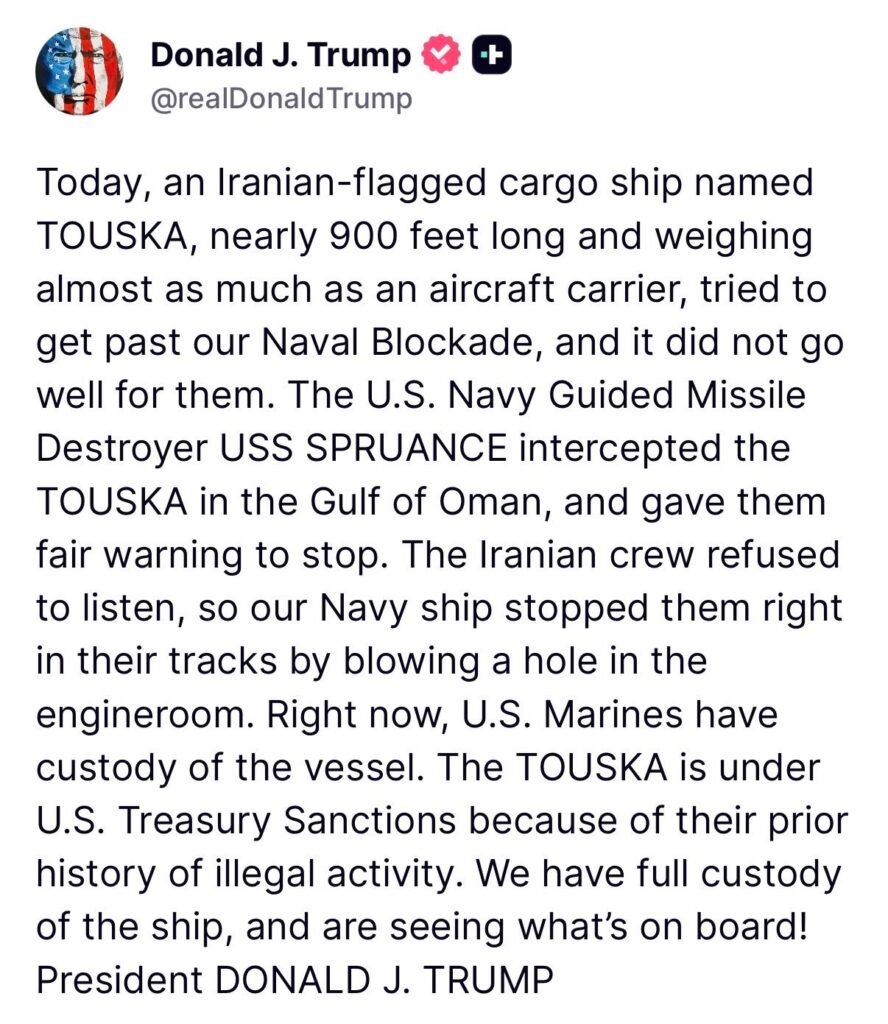
Details from Trump’s Post
In the post, Trump stated that an Iranian naval vessel was actively interfering with international shipping in violation of the recent agreement to keep the strait fully open. He described the strike as “necessary and proportionate” and warned that any further Iranian aggression would be met with overwhelming force. The president emphasized that the U.S. Navy is “locked and loaded” and ready to defend freedom of navigation.
Type of Vessel Targeted
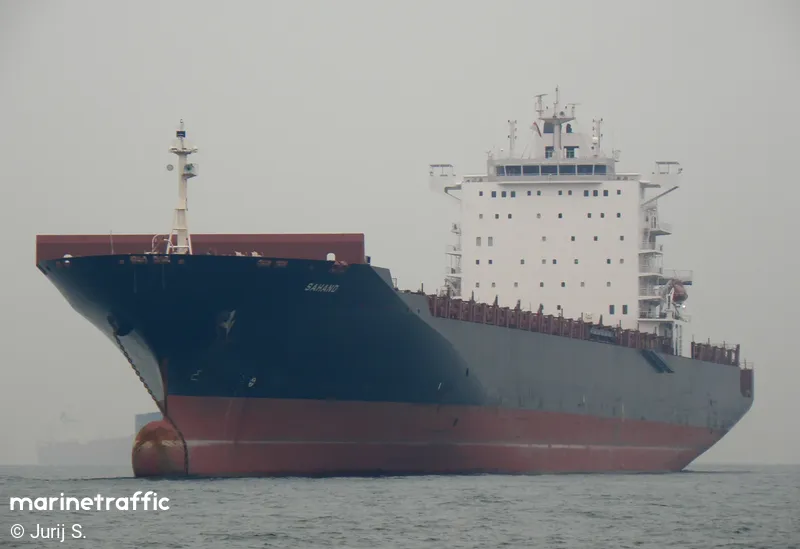
According to preliminary reports, the vessel was a fast-attack craft operated by Iran’s Islamic Revolutionary Guard Corps (IRGC) Navy, likely one of the small, high-speed patrol boats frequently used for asymmetric operations in the strait. These vessels are often equipped with anti-ship missiles, machine guns, and the capability to lay naval mines — exactly the type of asset Iran has used in the past to harass commercial shipping.
Implications of the Strike
The decision to strike an Iranian vessel represents a sharp escalation from diplomatic pressure to direct kinetic action. It signals that the U.S. will no longer tolerate even limited interference in the strait, even during the current ceasefire window. Short-term implications include:
- Heightened risk of miscalculation at sea
- Immediate spike in insurance rates for tankers transiting the region
- Further strain on already tense U.S.-Iran back-channel communications
Iran’s Likely Response
Iran has historically responded to such incidents with asymmetric retaliation: deploying fast boats, drones, or proxy forces rather than direct naval confrontation. Tehran could accelerate mine-laying operations, launch missile strikes on U.S. or allied assets, or activate proxy militias in Iraq, Syria, or Yemen. Iranian state media has already begun framing the incident as “American aggression,” setting the stage for a strong rhetorical and possibly military reply.
Concerns Over the Expiring Ceasefire
The 10-day ceasefire, which began after the recent reopening of the strait, is scheduled to expire tomorrow (April 17). Iran’s alleged violation, once again restricting or threatening shipping, has effectively undermined the truce before it could deliver lasting stability. This raises serious questions about whether any future agreement can be trusted and whether the U.S. will extend the pause or move immediately to renewed military pressure once the clock runs out.
Why This Matters
Trump’s decision to strike an Iranian vessel while a ceasefire is still technically in effect marks a dangerous inflection point. It shows the administration’s willingness to enforce red lines with force rather than wait for diplomacy to catch up. For the global economy, any renewed disruption in the Strait of Hormuz would quickly reverse the recent drop in oil prices and reignite fuel-price volatility that has already hammered airlines and consumers.
The next 24–48 hours will be critical. If Iran responds aggressively, the fragile de-escalation achieved over the past week could unravel rapidly, pulling the U.S. and Iran back into open conflict. If Tehran shows restraint, there may still be a narrow window to salvage the ceasefire and push toward a broader peace deal.
Markets are already pricing in increased uncertainty, with oil futures ticking higher in early trading.
Sources (as of April 16, 2026):
- President Trump’s Truth Social posts (April 16, 2026)
- Pentagon and CENTCOM statements
- Reporting from Reuters, Bloomberg, and Axios
Disclaimer: This article is a curated news roundup and analysis compiled by the Candid Brief News editorial team based on reporting from multiple established and trusted sources. Candid Brief News adds value through careful story selection, neutral summaries, contextual analysis, and occasional original commentary. We do not claim to have independent on-the-ground reporting for every story. Readers are encouraged to visit the original sources linked in each article for full details and the latest updates. All credit for original reporting belongs to the respective journalists and news organizations.