
Spirit Airlines on Brink of Liquidation as Soaring Fuel Prices Push Bankrupt Carrier Toward Collapse
By Candid Brief News | CandidBrief.com | April 15, 2026
Spirit Airlines is at serious risk of full liquidation as record-high jet fuel prices triggered by the U.S.-Iran conflict push the already-bankrupt ultra-low-cost carrier past the breaking point. Sources say a decision on whether to shut down entirely could come as soon as this week.
Spirit Airlines Background
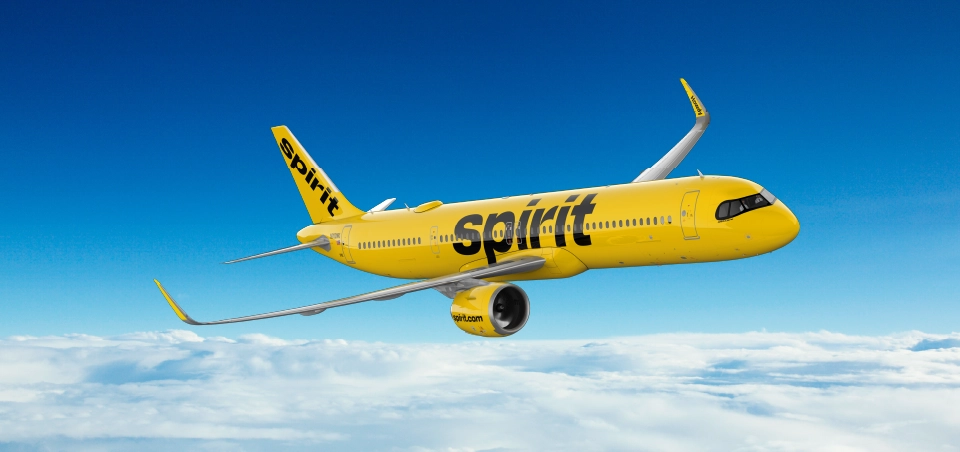
Founded in 1983 as Charter One and rebranded as Spirit in the early 1990s, the Florida-based carrier pioneered the ultra-low-cost model in the U.S. By charging passengers for nearly everything: bags, seat selection, even water. Spirit offered some of the cheapest base fares in the industry. The airline grew rapidly in the 2010s, becoming the largest U.S. ultra-low-cost carrier and a major presence in leisure markets across the U.S., Caribbean, and Latin America.
History of Financial Struggles, Bankruptcies, and Consolidation Attempts
Spirit has faced repeated turbulence. It filed for Chapter 11 bankruptcy protection for the first time in late 2024, emerging in March 2025 after restructuring debt and shrinking operations. Just five months later, in August 2025, it filed for Chapter 11 a second time. Failed merger attempts with Frontier Airlines (2022) and JetBlue Airways (2022–2024, blocked by regulators) left the carrier without the scale many analysts believed it needed to survive long-term.
Current Crisis Driven by High Fuel Prices
Jet fuel prices have more than doubled in recent weeks due to disruptions in the Middle East. For Spirit, which operates an older, less fuel-efficient fleet and relies on razor-thin margins, the surge has proven catastrophic. The airline is currently in restructuring talks with creditors, but sources say liquidation is now a very real possibility.
Consequences if Spirit Liquidates
A full liquidation would have immediate and painful ripple effects:
- Pilots, Flight Attendants, and Workers: Thousands of employees would lose their jobs almost overnight. Pilots and flight attendants could potentially find positions at other carriers through industry hiring pipelines, but seniority would be lost and many would face lower pay or relocation. Ground staff, maintenance crews, and corporate employees would likely face mass layoffs with limited severance.
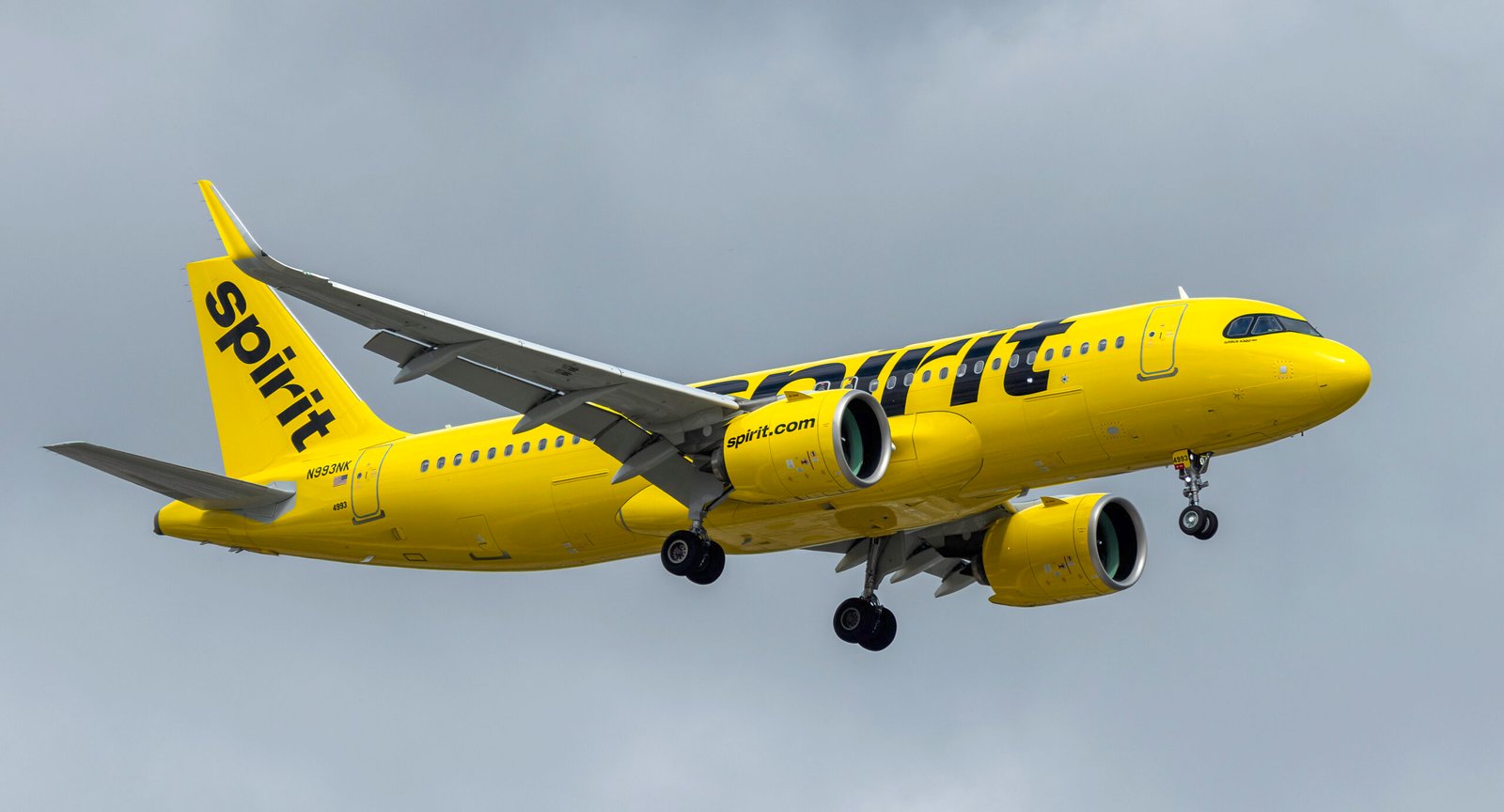
- The Fleet: Spirit’s fleet is overwhelmingly leased rather than owned. Of its roughly 114 remaining aircraft, the vast majority are leased Airbus A320-family jets. In a liquidation, lessors would quickly repossess the planes and seek new operators. Any owned aircraft (a small minority) would be sold off in bankruptcy court, likely at steep discounts.
Why This Matters
Spirit’s potential collapse would mark the largest U.S. airline liquidation in more than a decade and signal the limits of the ultra-low-cost model in a high-fuel-price environment. For travelers, the loss of Spirit’s ultra-cheap fares would reduce competition on many leisure routes, likely driving up ticket prices. For the broader industry, it could accelerate consolidation as stronger carriers absorb Spirit’s routes, gates, and remaining assets.
The situation also underscores how vulnerable even major airlines have become to external shocks like the current Middle East conflict. With fuel representing one of the largest operating costs after labor, sustained high prices could force further restructuring across the sector.
Creditors and the company are still in active discussions, so the final outcome remains fluid. A last-minute rescue deal or asset sale is still possible, but time is running out.
Sources (as of April 15, 2026):
- Bloomberg reporting on Spirit’s liquidation risk
- Spirit Aviation Holdings bankruptcy court filings
- Reuters and industry analysis on fleet composition and restructuring
Disclaimer: This article is a curated news roundup and analysis compiled by the Candid Brief News editorial team based on reporting from multiple established and trusted sources. Candid Brief News adds value through careful story selection, neutral summaries, contextual analysis, and occasional original commentary. We do not claim to have independent on-the-ground reporting for every story. Readers are encouraged to visit the original sources linked in each article for full details and the latest updates. All credit for original reporting belongs to the respective journalists and news organizations.