
United Airlines CEO Pitches Potential Merger with American Airlines in White House Discussions
By Candid Brief News | CandidBrief.com | April 14, 2026
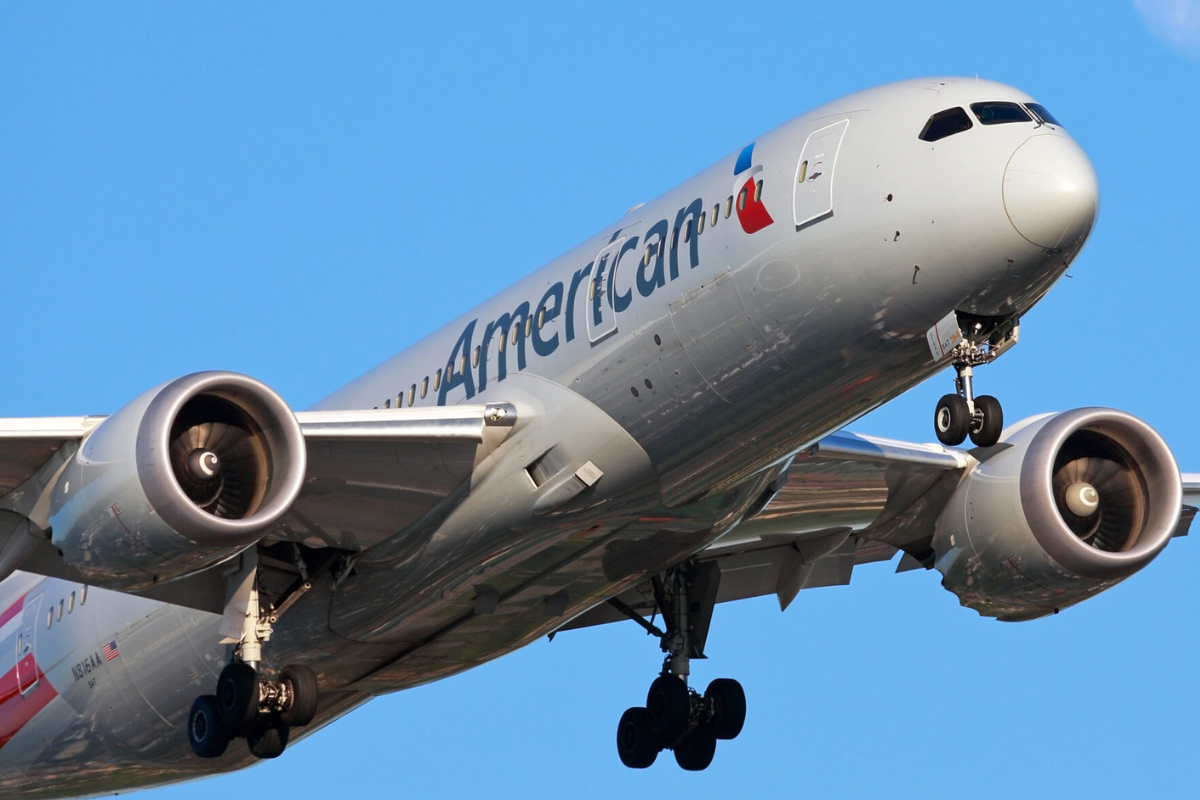
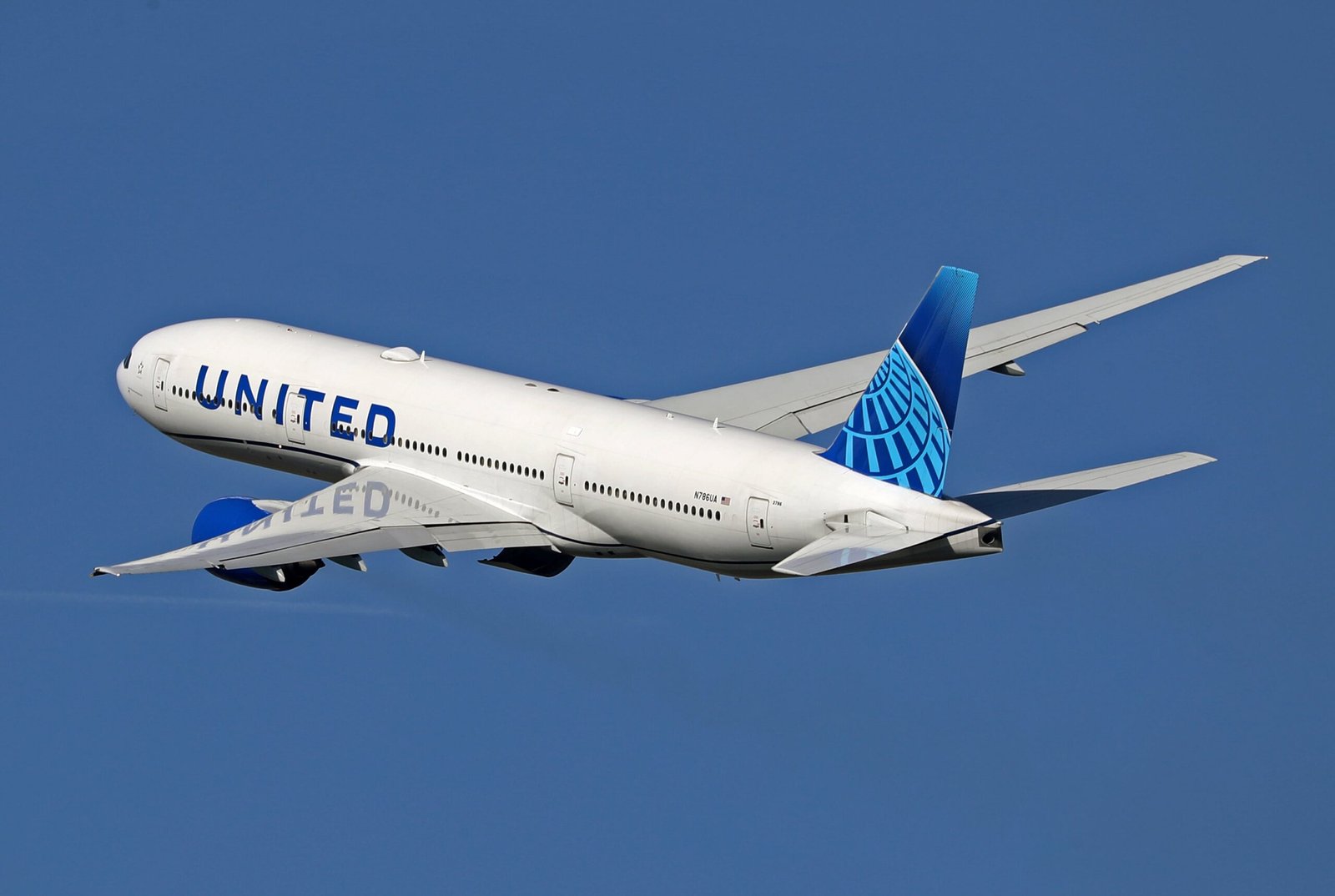
United Airlines CEO Scott Kirby has privately pitched a potential merger or combination with rival American Airlines to senior Trump administration officials, including during a February meeting with President Donald J. Trump. Sources familiar with the discussions say Kirby argued the deal would create a stronger U.S. carrier capable of competing more effectively on international routes.
Background of the Proposal
According to Bloomberg and Reuters reporting, the idea was raised in late February during a White House meeting originally focused on Dulles Airport. No formal merger process is underway, and neither airline has publicly commented. However, the mere suggestion of combining the nation’s second- and fourth-largest carriers has sent shockwaves through the industry.
Potential Implications
A United-American merger would have wide-ranging effects:
- For Pilots and Flight Attendants: Integration of seniority lists would be complex and contentious. Past mergers offer clear precedents. When Delta acquired Northwest in 2008, pilot and flight attendant seniority disputes dragged on for years, leading to grievances and operational disruptions. Similarly, United’s 2010 merger with Continental required years of negotiations before labor groups fully aligned. A United-American deal would likely trigger similar battles over pay scales, work rules, and base assignments, potentially causing short-term labor unrest.
- For Customers: Reduced domestic competition could lead to higher fares and fewer choices on overlapping routes. However, the combined carrier might offer stronger international networks and more seamless connections. Historical examples show mixed results: Delta-Northwest created more efficient hubs but also drew criticism for post-merger service cuts. United-Continental improved transatlantic reach but faced initial complaints about schedule reliability and frequent-flyer program changes.
Would This Create the World’s Biggest Airline?
Yes. A combined United-American entity would surpass Delta Air Lines as the largest airline globally by passengers carried, fleet size, and available seat miles. The two carriers together operate more than 1,000 mainline aircraft and serve roughly one-third of U.S. domestic traffic, making it the most consequential U.S. airline consolidation since the early 2010s.
Why the Government Might Block It
U.S. antitrust regulators (Department of Justice and Federal Trade Commission) are expected to scrutinize any deal heavily. The U.S. airline industry is already highly concentrated among four major carriers (Delta, United, American, and Southwest). Merging two of the “Big Three” legacy airlines would reduce meaningful competition on thousands of routes and could raise fares significantly. Both the Delta-Northwest and United-Continental mergers required extensive concessions (route divestitures and slot sales) to gain approval. A United-American tie-up would likely face even stronger opposition, especially if the current administration prioritizes consumer protection over further consolidation.
Why This Matters
If approved, this merger would reshape the global aviation landscape, creating a single dominant U.S. carrier with unprecedented scale. For employees, it could mean long-term job security in some areas but painful integration battles in others. For travelers, the outcome could be fewer choices and higher prices in many markets, offset by potentially better international service. For the broader industry, it signals a new wave of consolidation driven by rising fuel costs and competitive pressures.
However, the significant antitrust barriers make approval far from certain. Regulators have grown increasingly skeptical of large airline mergers in recent years, and any deal would almost certainly require major concessions or could be blocked outright.
The coming weeks will reveal whether Kirby’s pitch evolves into formal talks or remains an exploratory idea. Both airlines’ stocks rose sharply on the news, reflecting investor excitement about potential synergies, but also highlighting the regulatory mountain any deal would have to climb.
Sources (as of April 14, 2026):
- Bloomberg, Reuters, and industry reporting on Kirby’s discussions
- Historical merger data from Delta-Northwest (2008) and United-Continental (2010)
- U.S. Department of Justice antitrust records
Disclaimer: This article is a curated news roundup and analysis compiled by the Candid Brief News editorial team based on reporting from multiple established and trusted sources. Candid Brief News adds value through careful story selection, neutral summaries, contextual analysis, and occasional original commentary. We do not claim to have independent on-the-ground reporting for every story. Readers are encouraged to visit the original sources linked in each article for full details and the latest updates. All credit for original reporting belongs to the respective journalists and news organizations.