
Saudi Arabia Discloses Major Damage to Aramco Facilities in Attacks Blamed on Iran
By Candid Brief News | CandidBrief.com | April 9, 2026
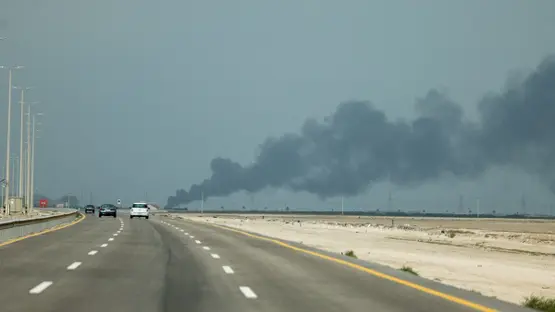
Saudi Arabia’s state oil giant Aramco has officially confirmed significant damage to multiple key facilities following recent attacks widely attributed to Iran. The Saudi Press Agency and energy intelligence firm Argus Media reported the strikes targeted critical infrastructure, forcing immediate production cuts and export disruptions.
Details of the Damage
According to the official Saudi statement and Argus Media’s update, the attacks hit:
- The East-West Pipeline (Petroline) pumping station, which handles roughly 700,000 barrels per day of crude.
- The Manifa oil field (impact of ~300,000 b/d).
- The Khurais field (impact of ~300,000 b/d).
The combined effect has led to an immediate production loss of approximately 600,000 barrels per day, with additional downstream refining and export disruptions still being assessed.
Saudi Arabia’s Red Sea Bypass Strategy
To avoid the vulnerable Strait of Hormuz, which Iran has repeatedly threatened to close, Saudi Arabia has long relied on the East-West Pipeline. This 1,200-kilometer pipeline transports crude from the giant eastern fields (Ghawar, etc.) across the country to the Red Sea port of Yanbu. From Yanbu, tankers can sail directly into the open Indian Ocean without entering the narrow, Iranian-controlled Hormuz chokepoint.
The damage to the East-West Pipeline pumping station is particularly significant because it directly interrupts this critical bypass route.
Iran’s Targeted Attacks
Saudi officials and multiple intelligence sources have attributed the strikes to Iranian forces or Iran-backed proxies. The timing aligns with the ongoing U.S.-Iran conflict, during which Tehran has escalated asymmetric attacks on Gulf energy infrastructure to pressure Riyadh and the United States. By hitting facilities that allow Saudi Arabia to circumvent the Strait of Hormuz, Iran is deliberately undermining Saudi Arabia’s ability to maintain stable oil exports even if Hormuz itself is blocked.
Consequences of the Stoppage
The immediate halt in operations at these facilities will:
- Reduce Saudi daily crude production by ~600,000 barrels per day (Saudi Arabia normally produces around 9–10 million b/d).
- Disrupt Red Sea exports via Yanbu, forcing reliance on the more dangerous Hormuz route or reduced overall shipments.
- Cause short-term shortages in refined products and crude grades typically exported to Asia and Europe.
- Increase global oil market volatility, with analysts warning of potential spikes in Brent and WTI prices.
Impact on Global Oil Prices
The loss of even 600,000 b/d from the world’s largest oil exporter is significant. With the Strait of Hormuz already under pressure from the broader Iran conflict, this new disruption removes a key safety valve (the Red Sea bypass). Markets are expected to react sharply: analysts forecast an immediate 5–10% rise in oil prices, potentially pushing Brent crude above $110–120 per barrel in the coming days if the damage takes weeks to repair. Longer-term, sustained cuts could add upward pressure on global energy costs, affecting everything from gasoline prices to airline fuel surcharges.
Why This Matters
This attack represents a direct escalation in Iran’s strategy to weaponize energy markets. By targeting the very infrastructure Saudi Arabia uses to avoid the Strait of Hormuz, Tehran is signaling that no Saudi export route is safe. The result is a double blow to global oil security: reduced supply combined with heightened risk to the remaining export paths.
For consumers worldwide, the consequences are higher fuel prices and renewed inflationary pressure. For the global economy, it underscores how fragile energy supply chains have become amid the U.S.-Iran conflict. Saudi Arabia has stated it will use all available capacity to mitigate the shortfall, but the damage to the East-West Pipeline will take time to repair.
The incident also highlights the growing vulnerability of critical energy infrastructure to precision strikes. As the Iran conflict continues, attacks like these could prolong market volatility and complicate diplomatic efforts to stabilize the region.
Sources (as of April 9, 2026):
- Saudi Press Agency official statement (N2556681)
- Argus Media update on Aramco facilities damage
- Reuters, Bloomberg, and S&P Global Commodity Insights reporting
Disclaimer: This article is a curated news roundup and analysis compiled by the Candid Brief News editorial team based on reporting from multiple established and trusted sources. Candid Brief News adds value through careful story selection, neutral summaries, contextual analysis, and occasional original commentary. We do not claim to have independent on-the-ground reporting for every story. Readers are encouraged to visit the original sources linked in each article for full details and the latest updates. All credit for original reporting belongs to the respective journalists and news organizations.