
Artemis II Becomes Furthest Manned Spacecraft in History, Surpassing Apollo 13 Record at 12:57 p.m. EST
By Candid Brief News | CandidBrief.com | April 6, 2026
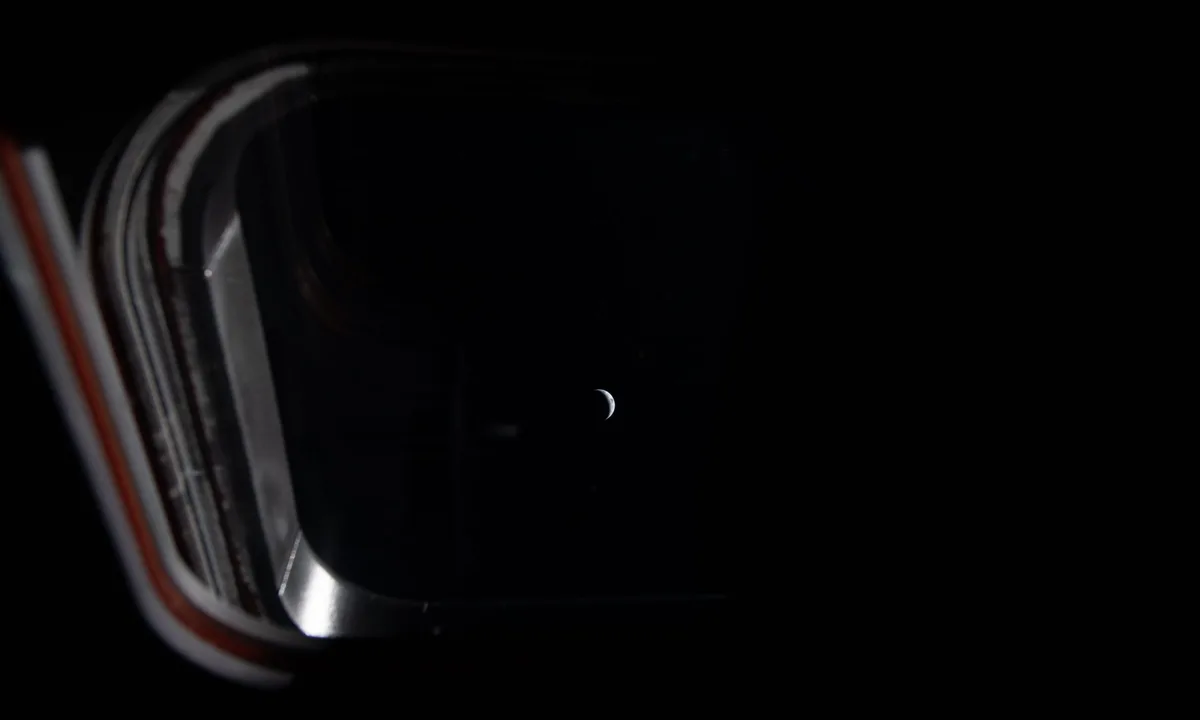
NASA’s Artemis II mission officially became the furthest any humans have ever traveled from Earth today at 12:57 p.m. Eastern Time. The four-member crew aboard the Orion spacecraft, riding the free-return trajectory around the Moon, reached a peak distance of approximately 252,760 miles from our planet, breaking the 53-year-old record set by Apollo 13 in 1970.
Breaking the Apollo 13 Record
Apollo 13, which suffered a life-threatening oxygen tank explosion enroute to the Moon, holds the previous record at roughly 248,655 miles from Earth. Artemis II’s greater distance was made possible by the more powerful Space Launch System (SLS) rocket and Orion’s efficient trajectory design. NASA confirmed the milestone in real time as the spacecraft passed the critical point on its outbound leg.

How the Crew Maneuvers in Deep Space
With no atmosphere and extreme distances from Earth, the crew relies entirely on Orion’s onboard reaction control thrusters and the European Service Module’s main engine for precise course corrections. Throughout the mission, Commander Reid Wiseman and Pilot Victor Glover have performed scheduled burns to refine the trajectory, maintain spacecraft attitude, and keep the vehicle oriented for optimal communication and solar power. The team also conducts regular systems checks, scientific observations, and emergency drills in the weightless environment — all while managing the psychological challenges of being farther from home than any humans before them.
What Happens When the Vehicle Goes Behind the Moon
As Orion swings around the far side of the Moon (the point of closest lunar approach), the spacecraft will lose all radio contact with Earth for approximately 30–45 minutes due to the Moon blocking the signal. During this “loss of signal” period, the crew operates completely independently, relying on pre-loaded flight plans, onboard computers, and their training. They are expected to capture high-resolution images of the lunar surface, conduct Earth-observation experiments, and verify Orion’s autonomous navigation systems, critical data for future Artemis landing missions.
The Journey Back Home
Once past the Moon’s far side, lunar gravity will naturally slingshot Orion onto its return path to Earth in a classic free-return trajectory. No major engine burns are required for the trip home, significantly reducing risk. The crew will spend the next several days monitoring systems, performing additional scientific work, and preparing for re-entry. Orion’s heat shield will face its most extreme test during the high-speed plunge back into Earth’s atmosphere at nearly 25,000 mph.
Expected Splashdown
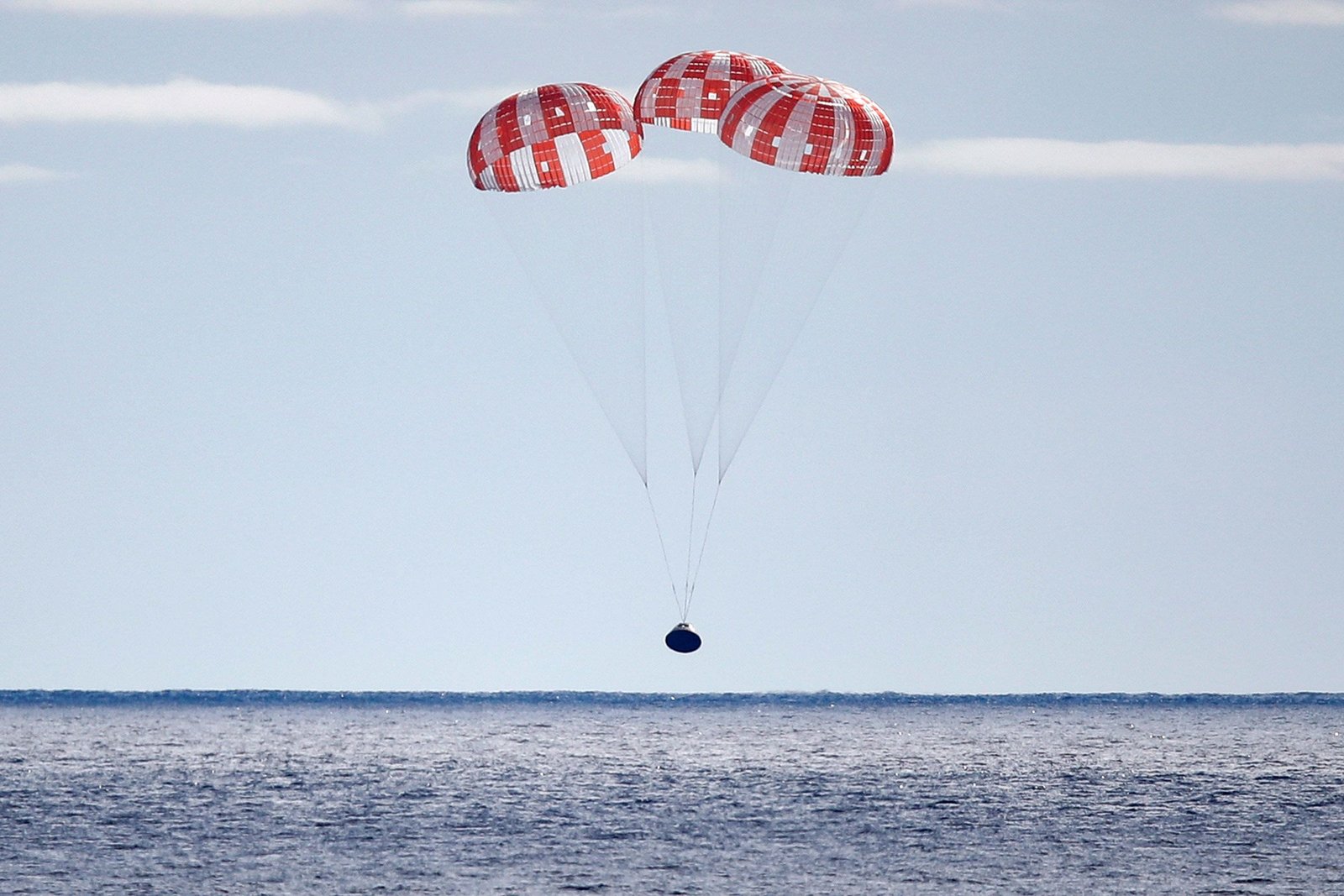
If the mission stays on schedule, Orion is targeted to splash down in the Pacific Ocean off the coast of San Diego, California, on or around April 10–11, 2026. U.S. Navy recovery vessels are already positioned in the splashdown zone to retrieve the crew and capsule shortly after touchdown.
Why This Matters
Today’s record marks a genuine turning point in human spaceflight. It proves that NASA’s new deep-space systems are performing as designed and builds essential confidence for the crewed lunar landing planned for Artemis III in 2027. For the crew, the first humans to fly this far since 1970, the moment is both historic and deeply personal, representing decades of engineering and international cooperation.
The successful far-side lunar pass will also yield valuable data on how spacecraft and crews handle communication blackouts, a key challenge for future Mars missions. As Artemis II continues its journey home, the world is watching a new chapter in exploration unfold, one that brings humanity closer to sustainable presence on the Moon and, eventually, beyond.
Sources (as of April 6, 2026):
- NASA live mission updates and telemetry data
- Artemis II mission control commentary
- Reporting from Space.com, NASA.gov, and The Planetary Society
Disclaimer: This article is a curated news roundup and analysis compiled by the Candid Brief News editorial team based on reporting from multiple established and trusted sources. Candid Brief News adds value through careful story selection, neutral summaries, contextual analysis, and occasional original commentary. We do not claim to have independent on-the-ground reporting for every story. Readers are encouraged to visit the original sources linked in each article for full details and the latest updates. All credit for original reporting belongs to the respective journalists and news organizations.