
Easter Reflection: The Trial, the Cross, and the Ultimate Cost of Jesus’ Sacrifice for Humanity
By Candid Brief News | CandidBrief.com | April 4, 2026
Good Friday Marks the Day Humanity Was Redeemed Through Unimaginable Love.
As Christians around the world observe Good Friday and prepare for Easter Sunday, the story of Jesus’ final hours stands as one of history’s most profound acts of sacrifice. The trial, the cross, and the willing offering of his life remain central to the Christian faith, illustrating both the depth of human brokenness and the boundless love of God.
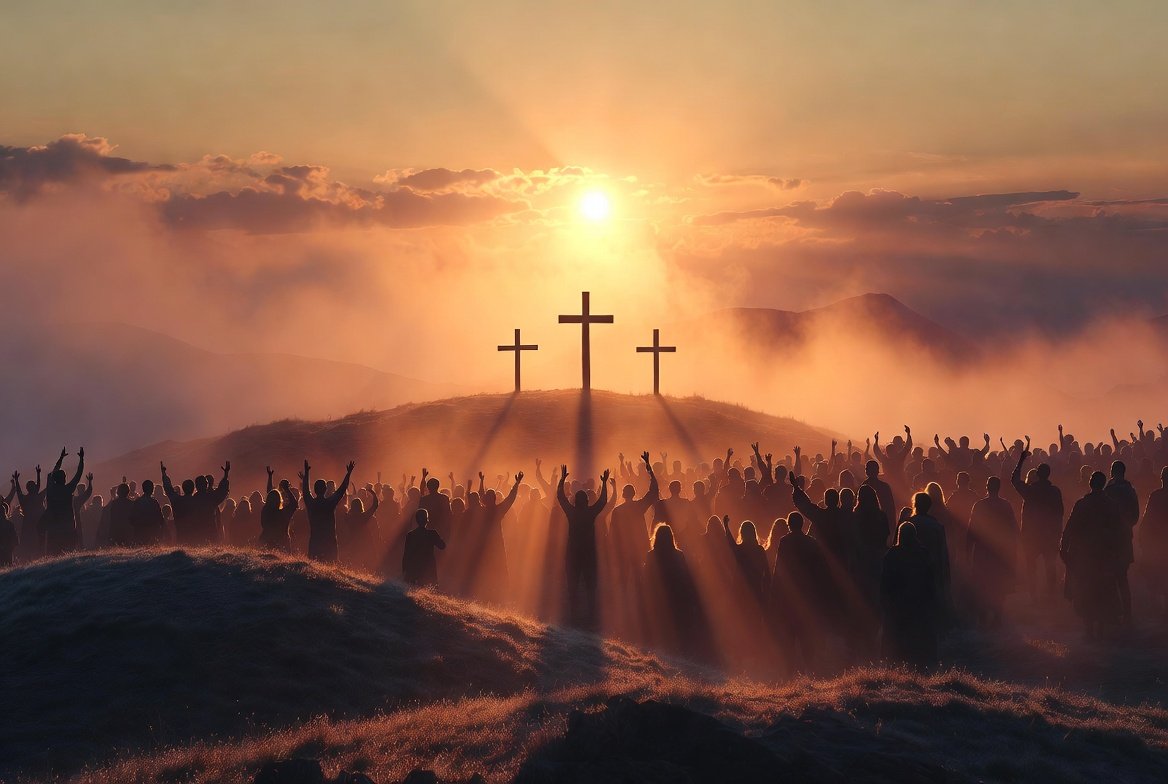
The Trial: Injustice in the Courts of Men
Following his arrest in the Garden of Gethsemane late Thursday night, Jesus faced a series of rapid and deeply flawed legal proceedings. First came an informal nighttime hearing before the Jewish Sanhedrin, where religious leaders sought testimony to charge him with blasphemy. False witnesses were called, but their stories conflicted. When Jesus affirmed he was the Messiah, the high priest declared it blasphemy and the council condemned him.
By early Friday morning, the case moved to the Roman governor Pontius Pilate, who held the power of execution. Pilate questioned Jesus about claims of kingship but found no basis for a death sentence under Roman law. Seeking to avoid responsibility, he sent Jesus to Herod Antipas (ruler of Galilee), who mocked him and returned him to Pilate. Under pressure from the crowd, stirred by religious leaders, Pilate ultimately ordered the crucifixion, famously washing his hands and declaring, “I am innocent of this man’s blood.”
The trial exposed layers of political expediency, religious jealousy, and mob influence, yet Jesus remained silent through most of the accusations, fulfilling ancient prophecies.
The Cross: Suffering and Death on Golgotha
Jesus was scourged, crowned with thorns, and forced to carry his crossbeam to Golgotha (“the place of the skull”) outside Jerusalem’s walls. There, around 9 a.m. on Friday, he was nailed to a wooden cross between two criminals. Roman crucifixion was designed as the ultimate humiliation and slow torture, a public deterrent meant to break both body and spirit.
Over the next six hours, Jesus endured extreme physical pain, blood loss, and asphyxiation while uttering seven recorded statements from the cross, including “Father, forgive them, for they do not know what they do” and the anguished cry, “My God, my God, why have you forsaken me?” Darkness covered the land from noon until 3 p.m., when Jesus declared “It is finished” and breathed his last. An earthquake shook the ground, the temple curtain tore from top to bottom, and the centurion on duty declared, “Surely this was the Son of God.”
His body was taken down before sunset (in accordance with Jewish law) and placed in a new tomb belonging to Joseph of Arimathea.
The Cost of the Sacrifice: What It Truly Meant
The physical torment was only part of the price. Christian theology teaches that Jesus, fully God and fully man, bore the spiritual weight of every sin committed by humanity, past, present, and future. In that moment on the cross, he experienced complete separation from God the Father, paying the infinite penalty that justice demanded.
The cost to Jesus was total: he gave up the glory of heaven, endured betrayal by a friend, abandonment by his followers, public humiliation, and the full wrath of sin’s consequences. For humanity, the gift was equally staggering — forgiveness, reconciliation with God, and the promise of eternal life freely offered to anyone who accepts it. As the Apostle Paul later wrote, “God demonstrates his own love for us in this: While we were still sinners, Christ died for us.”
No other religious founder claimed to die in place of their followers. Jesus’ sacrifice stands unique: voluntary, substitutionary, and complete.
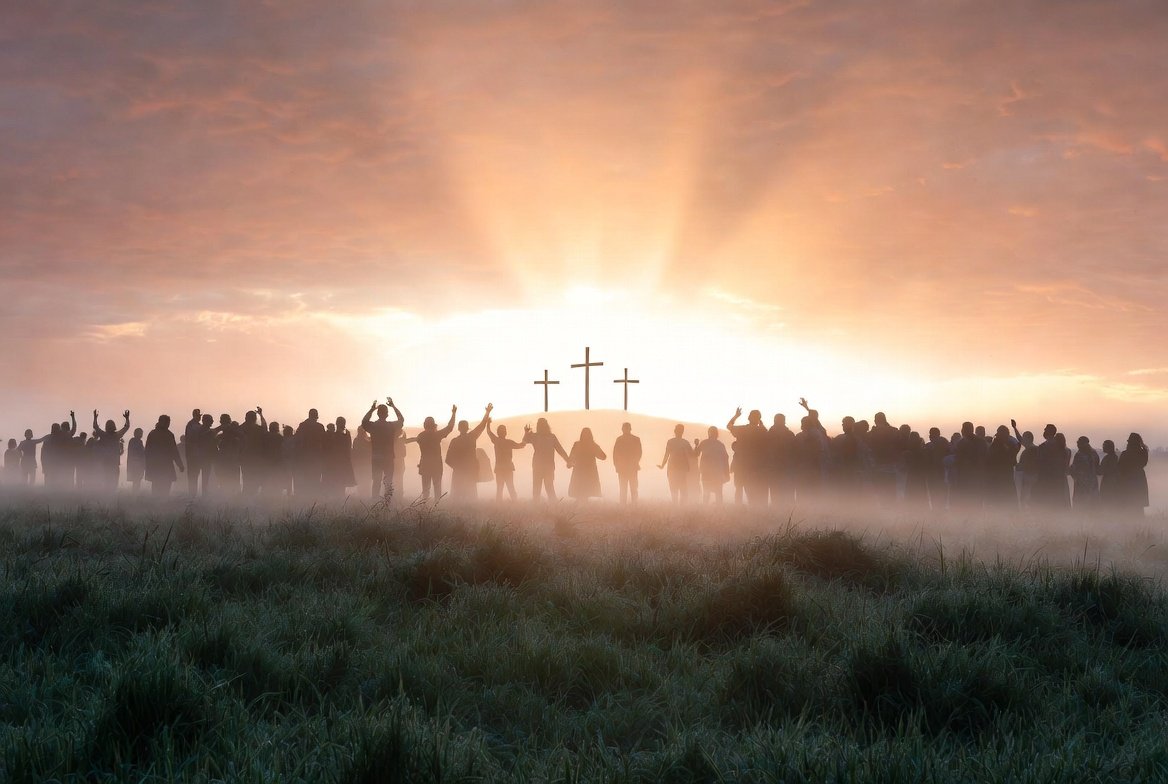
Why This Matters This Easter Weekend
On this Good Friday, the story invites reflection on justice, mercy, and the lengths to which perfect love will go. For believers, it is the foundation of hope, the cross was not the end, but the necessary path to the empty tomb celebrated on Easter Sunday. For all readers, it remains one of history’s most examined events, influencing law, art, ethics, and human dignity for two thousand years.
As families gather this weekend, the message of the trial and the cross continues to challenge and comfort: no one is beyond redemption, and the greatest love is the one that lays down its life for others.
Sources:
- The Holy Bible (Matthew 26–28, Mark 14–16, Luke 22–24, John 18–21)
- Historical accounts from Flavius Josephus and early church fathers
- Scholarly summaries from Britannica, Christianity Today, and GotQuestions.org