
NASA’s Artemis II Mission Set to Launch Tonight: First Crewed Lunar Flyby in Over 50 Years. Historic Flight Tests Systems for Future Moon Landings and Mars Exploration.
By Candid Brief News | CandidBrief.com | April 1, 2026
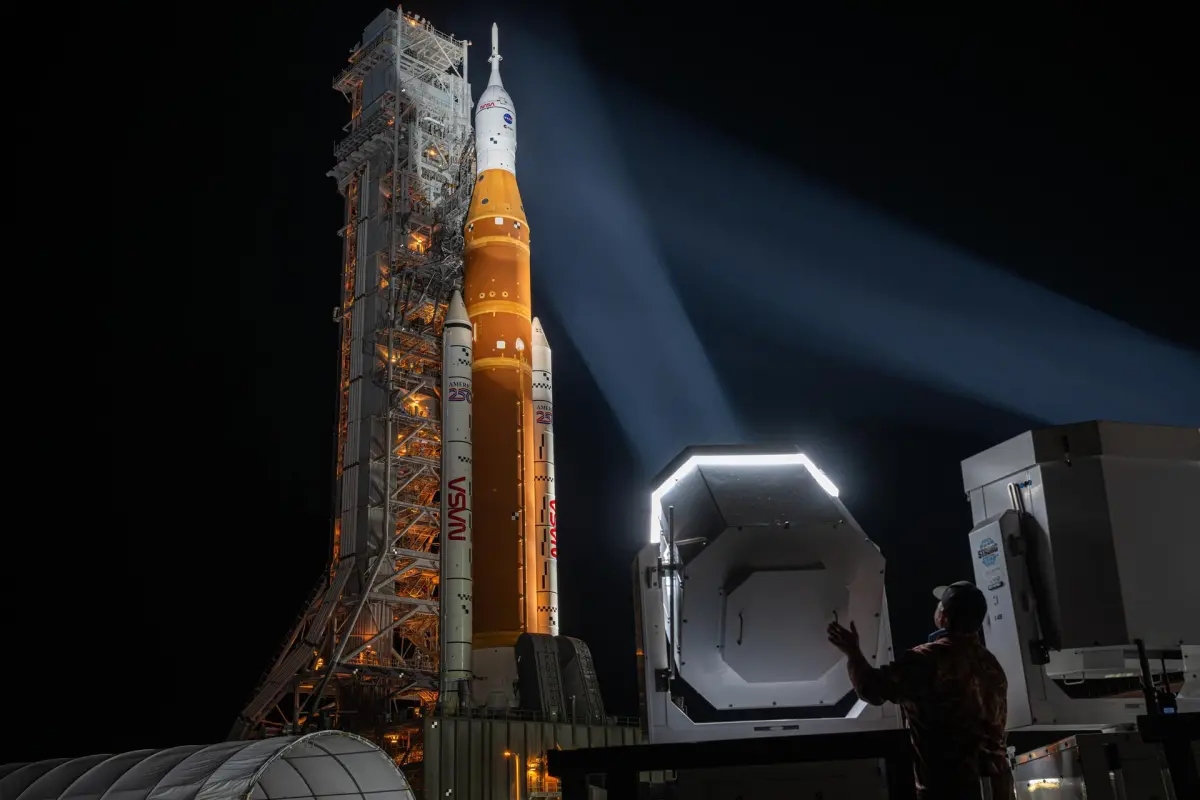
NASA’s Artemis II mission is scheduled to lift off tonight, April 1, 2026, at 6:24 p.m. EDT from Launch Pad 39B at Kennedy Space Center in Florida. This marks the first time humans will travel beyond low-Earth orbit since the Apollo program ended in 1972, sending four astronauts on a roughly 10-day journey around the Moon and back.
Background
Artemis II builds directly on the successful uncrewed Artemis I test flight in 2022. The mission serves as the first crewed flight of NASA’s powerful Space Launch System (SLS) rocket and Orion spacecraft, verifying life-support systems, navigation, and re-entry capabilities in deep space. It paves the way for Artemis III, which will land astronauts on the lunar surface as early as 2027.
The Crew
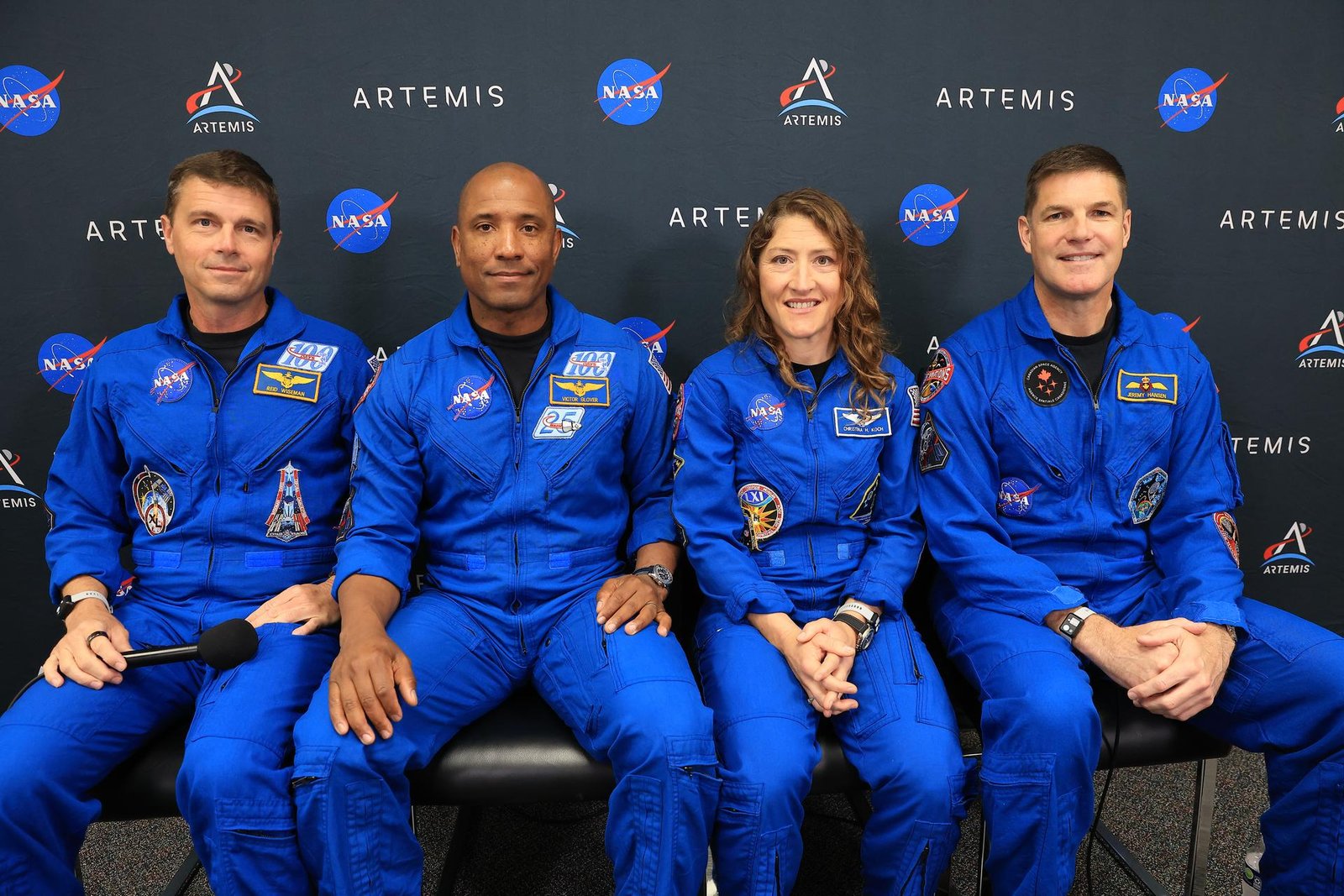
The four-member international team includes three NASA astronauts and one from the Canadian Space Agency (CSA). All are experienced pilots or engineers with significant spaceflight or test-pilot backgrounds. Astronaut Role Key Background Reid Wiseman (NASA) Commander U.S. Navy test pilot; spent 165 days on the ISS in 2014; former NASA Chief Astronaut. Victor Glover (NASA) Pilot U.S. Navy captain; first Black astronaut on a long-duration ISS mission (Crew-1, 2020–2021); combat veteran. Christina Koch (NASA) Mission Specialist Engineer and physicist; holds record for longest single spaceflight by a woman (328 days on ISS, 2019–2020); first woman to fly around the Moon. Jeremy Hansen (CSA) Mission Specialist Royal Canadian Air Force fighter pilot and physicist; first Canadian astronaut on a lunar mission; making his first spaceflight.
This diverse crew represents a milestone: Glover will be the first Black astronaut in deep space, Koch the first woman, and Hansen the first non-U.S. astronaut on a lunar voyage.
The Rocket and Spacecraft
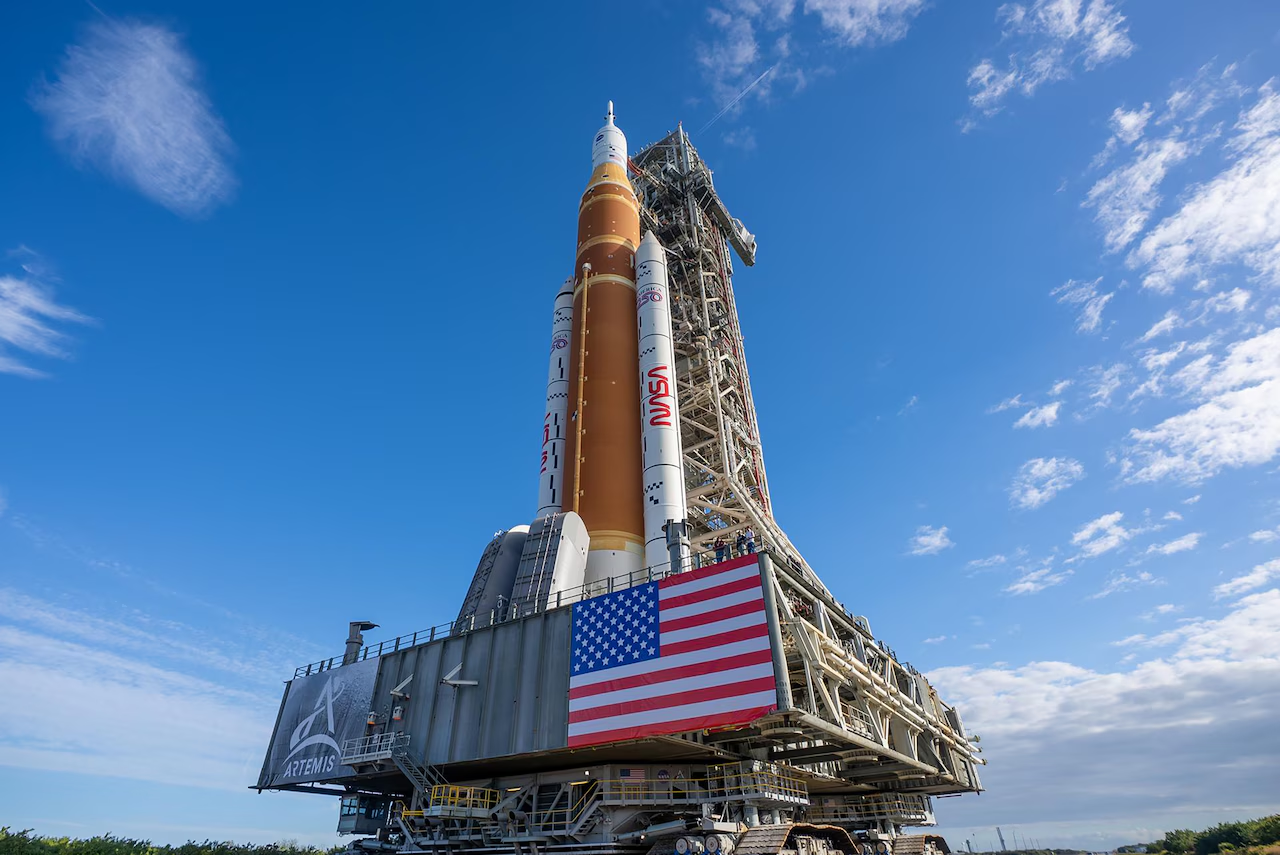
The towering Space Launch System (SLS) rocket stands 322 feet tall and is NASA’s most powerful launch vehicle ever built. It will propel the Orion spacecraft, named “Integrity” for this mission, out of Earth orbit. Orion features a European-built service module for propulsion and life support, along with advanced heat shielding for the high-speed return to Earth.
Mission Profile
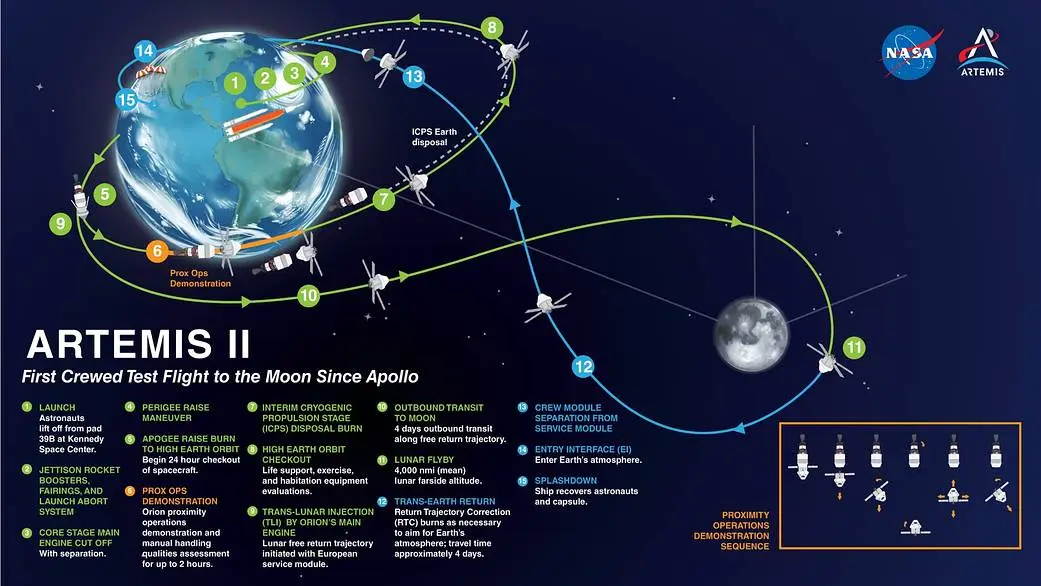
The flight follows a free-return trajectory that uses the Moon’s gravity to slingshot the crew back to Earth without requiring additional engine burns for the return leg. Key highlights include:
- Launch and Trans-Lunar Injection: SLS boosts Orion into a high-energy trajectory toward the Moon.
- Lunar Flyby: The crew will pass within about 4,600 miles of the lunar surface, traveling farther from Earth than any humans since Apollo 13 (potentially setting a new distance record depending on exact timing).
- Duration: Approximately 10 days total, with no lunar landing.
- Objectives: Test Orion’s systems in deep space, practice emergency procedures, and gather data for future crewed landings.
Expected Splashdown
If the mission launches on schedule tonight, Orion is targeted to splash down in the Pacific Ocean off the coast of San Diego, California, around April 10, 2026 (approximately 10 days after liftoff). U.S. Navy recovery teams will be on station to retrieve the crew and capsule.
Why This Matters
Tonight’s launch represents a major step forward in NASA’s Artemis program, which aims to establish a sustainable human presence on the Moon and eventually send astronauts to Mars. The mission will provide critical real-world data on how humans and hardware perform during a full deep-space round trip, information essential for longer-duration exploration. For the global public, it offers a rare chance to witness humanity’s return to the Moon in real time, inspiring the next generation of explorers.
Live coverage of tonight’s launch will be available on NASA+, NASA TV, and major news outlets, with countdown activities already underway.
Sources (as of April 1, 2026):
- NASA official mission pages and press releases
- Kennedy Space Center updates
- Reporting from Space.com, BBC, Wikipedia (for crew and profile summaries), and Planetary Society
Disclaimer: This article is a curated news roundup and analysis based on publicly available reporting from multiple established sources. Candid Brief News does not have independent on-the-ground reporting and encourages readers to cross-reference primary outlets.