
Over 50,000 U.S. Troops Now In The Middle East: White House Quietly Prepping Limited Ground Raids on Iran. Oil & Markets Brace for Volatile Week.
By Candid Brief News | CandidBrief.com | March 30, 2026
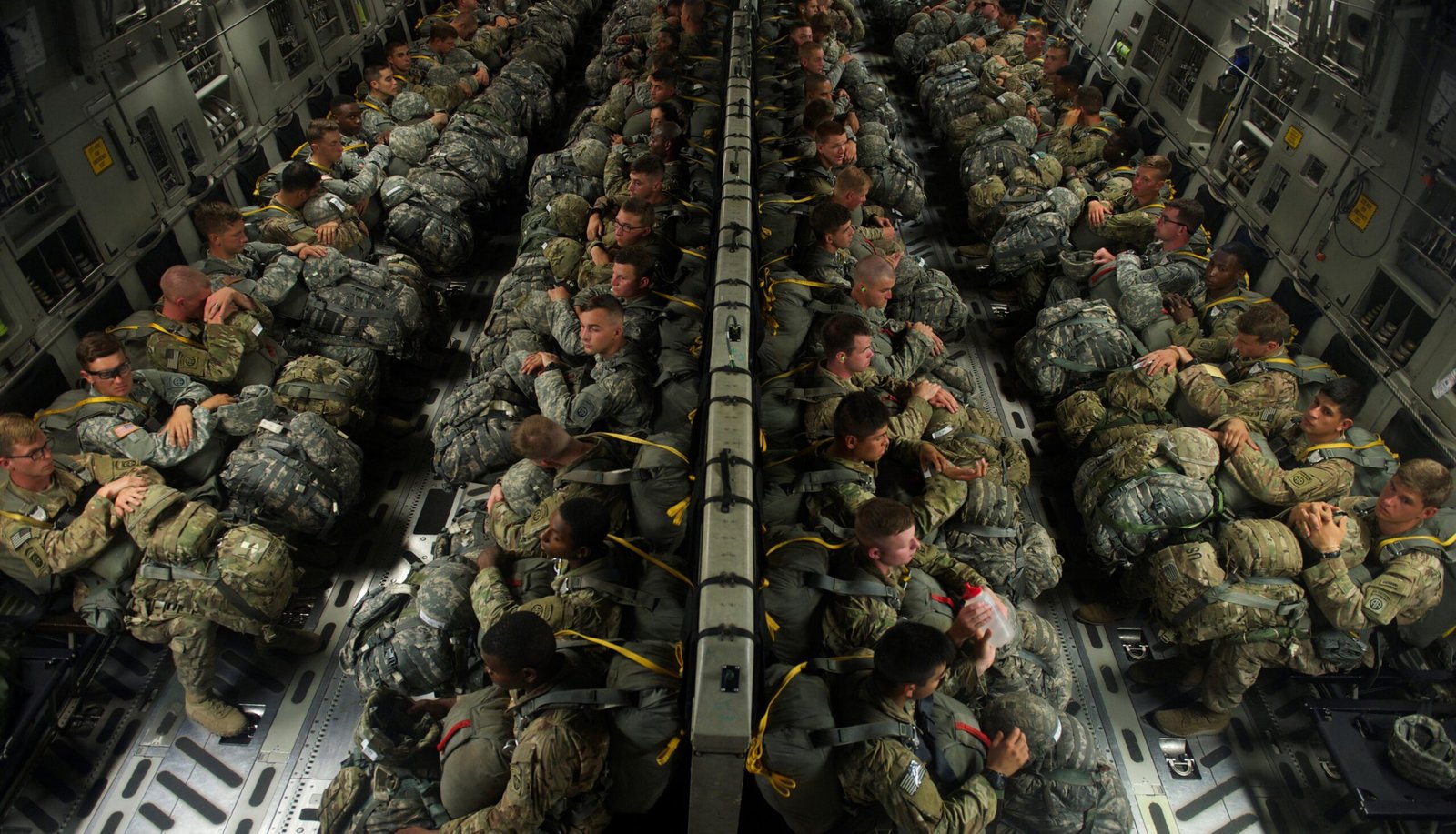
The U.S. military footprint in the Middle East has quietly exploded to more than 50,000 troops, the largest concentration since the 2003 Iraq invasion, as the Trump administration appears to be positioning for possible limited ground operations inside Iran. Recent deployments include thousands of 82nd Airborne paratroopers, 3,500 Marines aboard the USS Tripoli, and additional Marine Expeditionary Units. While the White House still talks diplomacy, the Pentagon is actively planning targeted raids on key Iranian targets such as Kharg Island and coastal sites near the Strait of Hormuz.
As @CandidBriefNews tracks this escalation hour-by-hour on X, the next few days could determine whether this buildup remains a deterrent, or becomes the opening act of boots-on-the-ground action in Iran.
Background & Historical Context
The current Iran conflict began in late February 2026 with joint U.S.-Israeli strikes. Since then, the U.S. has steadily reinforced its regional presence while maintaining public pressure for negotiations. The latest troop surge signals a shift from purely air/naval operations toward options that could put American forces on Iranian soil, even if limited in scope.
Timeline of the 2026 U.S. Troop Buildup in the Middle East
| Date | Event |
|---|---|
| Late Feb 2026 | Initial strikes begin; baseline U.S. forces ~40,000 in region |
| March 18–20, 2026 | Pentagon weighs reinforcements; first reports of ground options |
| March 24, 2026 | 2,000–4,000 soldiers from 82nd Airborne ordered to deploy |
| March 27, 2026 | USS Tripoli arrives with 3,500 Marines & sailors |
| March 28–29, 2026 | Total U.S. troops reported exceed 50,000; additional MEUs en route |
| March 30, 2026 | Iran accuses U.S. of secretly planning ground invasion |
Current Developments & Key Details
The White House is preparing for limited ground raids rather than a full-scale invasion. Military sources indicate the focus is on:
- Securing or raiding Kharg Island (Iran’s main oil export hub)
- Coastal operations near the Strait of Hormuz to keep shipping lanes open
- Special operations and infantry support for targeted strikes on missile/drone sites
This is not the 2003 Iraq-style occupation. Instead, planners are looking at short-duration missions (days to weeks) supported by overwhelming air and naval power already in place.
Analysis & Why It Matters
From monitoring every deployment update on X as @CandidBriefNews, this is classic Trump-era signaling: maximum pressure with a visible off-ramp. The troop surge gives the White House real options if talks collapse, while still allowing public claims of “productive diplomacy.” However, putting even limited U.S. boots on Iranian soil crosses a major red line that previous administrations avoided. It dramatically raises the risk of direct confrontation on land, something Iran has repeatedly warned would trigger massive retaliation.
Iran’s Possible Reaction
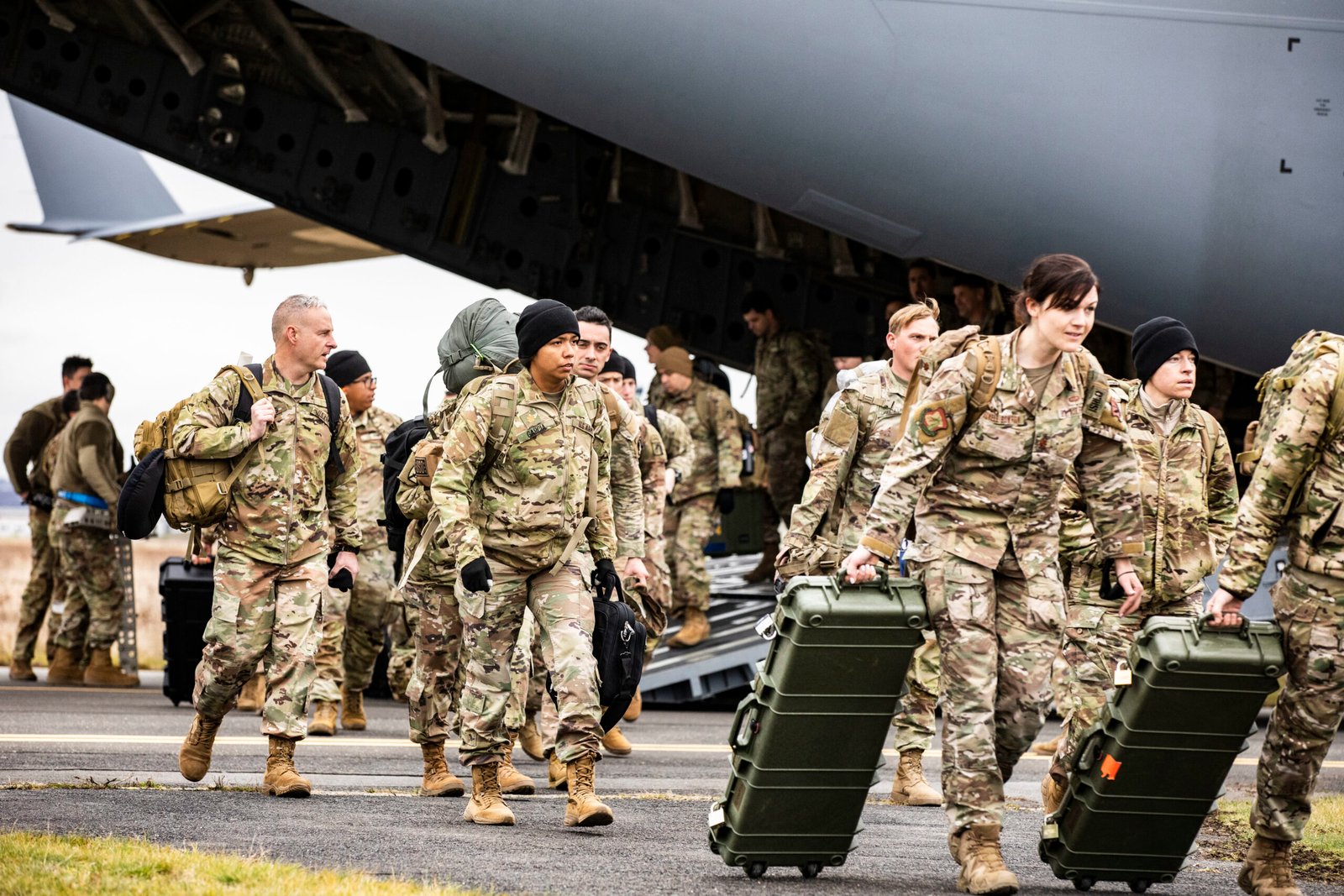
Iran has already responded aggressively. Parliament Speaker Mohammad Bagher Ghalibaf stated on March 29 that Iranian forces are “waiting for the arrival of American soldiers on the ground to set them on fire.” Tehran has threatened:
- Missile and drone barrages on U.S. bases and ships
- Activation of proxy militias across the region
- Further disruption (or full closure) of the Strait of Hormuz
Potential Consequences of U.S. Ground Action
- Escalation risk: Even limited raids could provoke a wider regional war, drawing in more Iranian proxies and possibly Russia/China support.
- Human & refugee crisis: Heavy fighting on Iranian soil would likely displace hundreds of thousands and strain neighboring countries.
- Economic fallout: Prolonged conflict would hammer global supply chains.
- Domestic U.S. impact: Higher casualties and costs could erode public support and complicate midterm politics.
What to Expect for Oil Prices & Stock Market This Coming Week
- Oil: Expect significant volatility and upward pressure. Brent crude is already trading above $105–108 per barrel. Any confirmation of ground raids or Iranian retaliation could push prices toward $120+ quickly. This week’s outlook: 5–15% swings depending on headlines.
- Stock market: Broad indices (S&P 500, Dow) likely face downward pressure on risk-off sentiment. Defense and energy stocks may rise sharply, while airlines, consumer discretionary, and tech could lag. Expect a volatile week with possible 1–2% daily moves tied to any Iran news.
The surge past 50,000 U.S. troops in the Middle East is no routine rotation, it’s a clear signal that the White House is quietly preparing limited ground options against Iran. While diplomacy remains on the table, the risk of escalation has never been higher.
The coming week will be critical for oil prices, global markets, and the trajectory of this conflict.
Stay ahead of every development. Follow @CandidBriefNews on X for real-time updates, sharp analysis, and unfiltered takes on this fast-moving crisis.
- Reuters, NYT, CNN, Al Jazeera, Washington Post (March 24–30, 2026 reporting)
- Pentagon & CENTCOM deployment statements
- Iranian state media (IRNA) and parliament statements
- Oil market data via Bloomberg & Reuters (March 29–30, 2026)
- Ship-tracking and military analysis from USNI News & Fox News