
U.S. Blockade Vs Russian Tanker: Russia Defies Trump’s Oil Embargo as Cuba Teeters on Total Blackout. What This Delivery Means
By Candid Brief News | CandidBrief.com | March 29, 2026
The Trump administration has made it crystal clear: Cuba is banned from receiving Russian oil under the tightened sanctions. Yet Moscow calls it “humanitarian aid” and the tanker keeps coming.
As @CandidBriefNews tracks this breaking standoff daily on X, this moment could decide whether Cuba gets a short-term lifeline or faces even harsher consequences.
Background & Historical Context
Cuba’s energy system has been crumbling for years due to aging infrastructure and heavy reliance on imported oil (mostly from Venezuela and Mexico). The situation exploded in early 2026 when the Trump administration imposed a full-scale oil blockade, threatening tariffs on any country supplying fuel to the Cuban government. The goal: pressure for political and economic reforms. Russia, long a Cuban ally, has stepped in with direct shipments.
Timeline of the Cuba Energy Crisis & Russian Tanker Drama
| Date | Event |
|---|---|
| Early Feb 2026 | Trump administration imposes full oil embargo on Cuba |
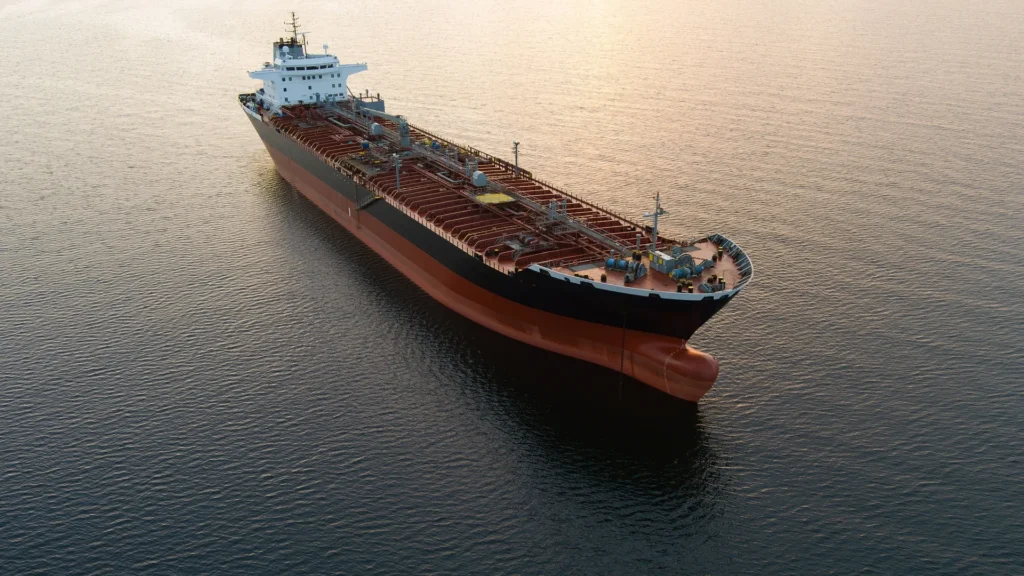
| March 8, 2026 | Russian tanker Anatoly Kolodkin (730,000 barrels crude) leaves Primorsk |
| March 16 & 21, 2026 | Cuba suffers two nationwide blackouts in one week |
| March 19, 2026 | U.S. Treasury explicitly bans Russian oil deliveries to Cuba |
| March 23–27, 2026 | Tanker approaches Caribbean; one related vessel diverts to Venezuela |
| March 29, 2026 | Second Russian-origin tanker reported en route or testing waters |
Current Developments & Key Details
- Cuba’s Energy Nightmare: The island has suffered at least three nationwide blackouts in March alone. Hospitals run on generators, schools are shortened or closed, and daily life is paralyzed for hours or days at a time. The national grid is collapsing under fuel shortages and outdated thermoelectric plants.
- The US Oil Blockade: Washington has blocked Venezuelan, Mexican, and now explicitly Russian shipments. The Treasury Department amended sanctions waivers to carve out Cuba, Iran, and North Korea. The message is clear: no fuel for the Cuban government.
- Russia’s Defiant Delivery: The Anatoly Kolodkin and at least one other Russia-origin tanker are pushing forward. Moscow calls it humanitarian aid to ease blackouts. One vessel recently diverted to Venezuelan waters after U.S. pressure, but another remains on course toward Cuba.
Analysis & Why It Matters
From following these developments hour by hour on X as @CandidBriefNews, this is a classic great-power chess move. The U.S. is using energy as leverage to force change in Cuba. Russia is testing how far Washington will go to enforce the blockade, especially while America is already stretched by the Iran conflict.
Out Reaction:
This feels like a dangerous game of chicken. Cuba’s people are the ones suffering in the dark, not the politicians in Havana or Moscow. If the tanker successfully unloads, it buys the regime a few weeks of breathing room. If the U.S. intercepts or escalates, we could see a major diplomatic or even naval confrontation in the Caribbean. Either way, ordinary Cubans lose in the short term.
Possible Impacts of This Delivery:
- Short-term relief for Cuba: 700,000+ barrels could power the grid for 2–4 weeks, reducing blackouts and stabilizing hospitals/factories.
- Economic ripple: Fuel would ease immediate pain but won’t fix Cuba’s broken infrastructure. Blackouts would likely return quickly.
- Geopolitical fallout: Successful delivery could embolden Russia and encourage more shadow-fleet runs. Failure (or U.S. enforcement) might spark a new refugee wave or heightened tensions in the region.
- Oil markets: Even small disruptions add pressure on global prices already strained by the Iran situation.
- Long-term: This could accelerate U.S. calls for regime change or, conversely, push Cuba closer to Russia and China.
Conclusion & Call to Action
The Russian tanker heading to Cuba is more than a fuel delivery, it’s a direct challenge to America’s oil blockade. While Cuba desperately needs energy to end the blackouts, this move risks escalating a crisis that’s already hurting millions of ordinary people. The next few days will show whether Washington enforces its red line or looks the other way.
Stay ahead of every twist in this high-stakes standoff. Follow @CandidBriefNews on X for real-time updates, sharp analysis, and unfiltered takes on the Cuba energy crisis.
Sources
- Reuters, Bloomberg, CNBC, Miami Herald, France 24 (March 19–29, 2026 coverage)
- U.S. Treasury/OFAC general license updates
- Cuban government statements and independent reporting on blackouts
- Ship-tracking data from Kpler, Windward, and LSEG