
Behind the Headlines: Trump Issues 48-Hour Ultimatum on Truth Social – “Open the Strait of Hormuz or We Destroy Iran’s Power Plants”
By Candid Brief News | CandidBrief.com | March 22, 2026
President Donald Trump escalated tensions with Iran dramatically on Saturday morning with a direct ultimatum posted on Truth Social: the Strait of Hormuz must be fully reopened and safe for commercial shipping within 48 hours, or the United States will destroy multiple major power plants across Iran. The fiery message, posted at 7:42 a.m. EST, reads in part: “Iran has 48 HOURS to open the Strait of Hormuz completely and safely. If not, we will destroy your power plants, and you will be left in the dark for many years to come. This is not a threat, this is a promise!” The post comes as Iranian forces continue harassing tankers and attempting partial blockades, driving global oil prices up sharply and threatening energy supplies worldwide.
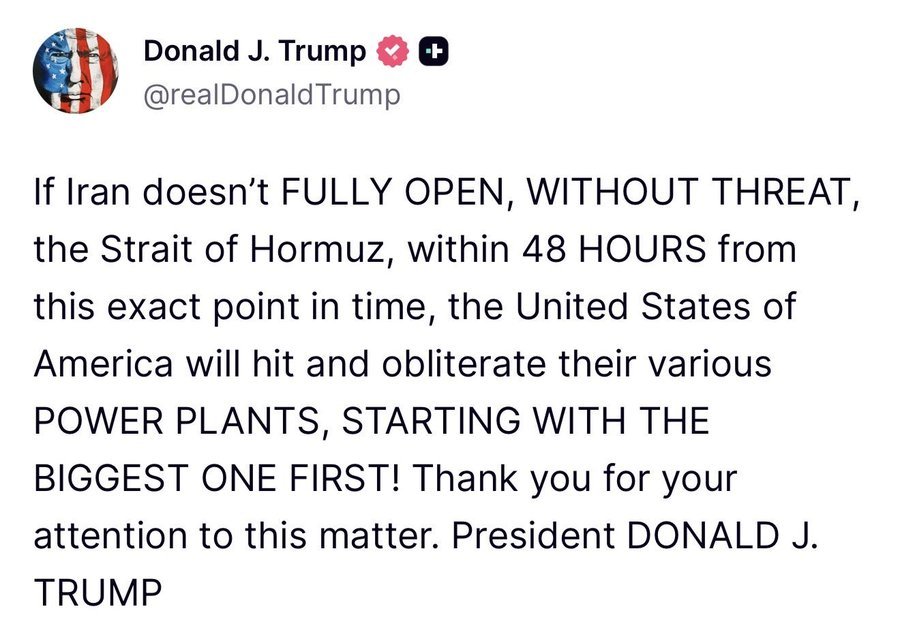
Key Details of Trump’s Warning
Trump’s statement follows weeks of Iranian disruption in the Strait of Hormuz, the narrow chokepoint through which roughly 20% of global oil trade flows daily. Shipping companies have already begun rerouting vessels around the area, insurance rates have skyrocketed, and oil prices have surged more than 18% in the past week alone. The president’s message makes clear that the U.S. is prepared to take direct kinetic action against Iran’s electricity infrastructure if the waterway is not immediately secured. Pentagon sources confirm that strike packages targeting key power generation facilities are already on the table and that U.S. forces in the region remain on high alert.
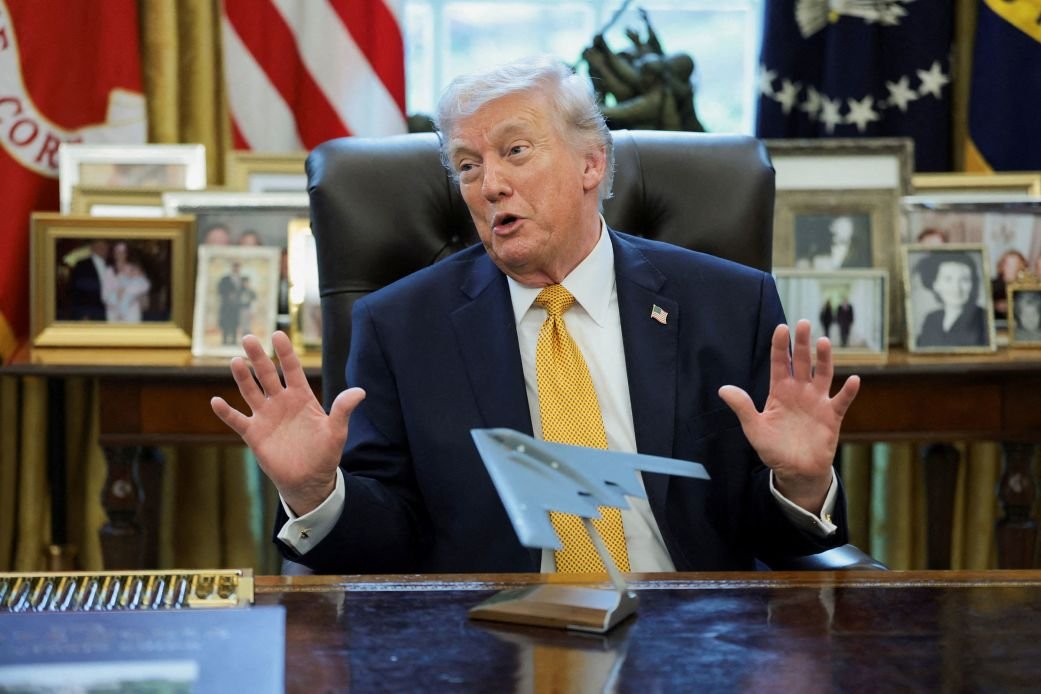
Official Response and Government Statements
The White House quickly confirmed that the Truth Social post reflects official U.S. policy and that military planning is actively underway. Pentagon officials declined to comment on specific targets but emphasized that “all options are on the table to protect global shipping lanes.” Iran’s state media responded with fury, calling the threat “reckless American terrorism” and warning of “unlimited retaliation” if any power plants are hit. Russian and Chinese diplomats have urged immediate de-escalation, while several Gulf states have quietly begun reviewing their own civil-defense plans in case the conflict widens.
Broader Context
Possible U.S. actions could include precision airstrikes or missile attacks on Iran’s major thermal, hydroelectric, and gas-fired power plants, particularly those in provinces like Khuzestan, Isfahan, and around Tehran. Analysts say such strikes would be designed to cripple Iran’s ability to sustain prolonged conflict without causing a full nuclear-style meltdown. However, the consequences would be severe and far-reaching. Large swaths of Iran could face prolonged blackouts lasting months or years, crippling hospitals, water treatment plants, and civilian life. Global oil prices could spike past $120 per barrel, triggering economic shocks in Europe, Asia, and the U.S. The risk of escalation is high, Iran has threatened to close the strait entirely, activate proxy militias across the region, or even target U.S. bases if power infrastructure is attacked. Humanitarian fallout could include mass displacement, refugee crises, and long-term instability across the Middle East.
This article serves as a snapshot of the incident based on available information and will be updated as new facts come to light. For real-time developments, follow us on X @CandidBriefNews.
Disclosure: This article is based on publicly available information and coverage by other news outlets, independently summarized and rewritten by CandidBrief.
Related coverage on global security developments is available on CandidBrief.com.