
Behind the Headlines: Recent KC-135 Crash During Operation Epic Fury Prompts Urgent Rescue Efforts
By Candid Brief News | CandidBrief.com | March 12, 2026
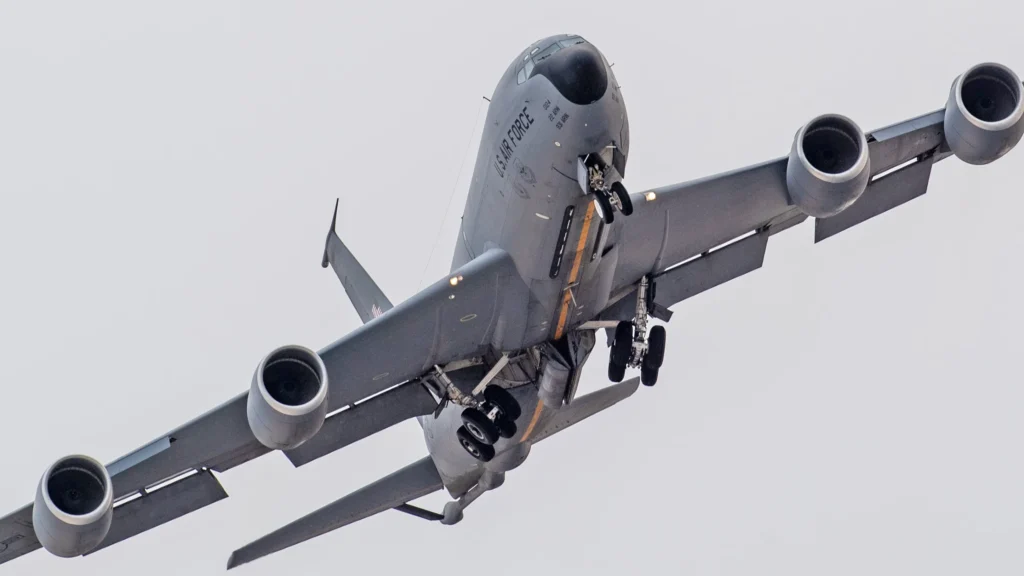
In a significant setback amid the ongoing U.S.-led military campaign against Iran, a U.S. Air Force KC-135 Stratotanker crashed in western Iraq on March 12, 2026, during a refueling mission as part of Operation Epic Fury. The incident, which involved two aircraft and was not attributed to hostile or friendly fire, has triggered immediate search and rescue operations for the crew. Central Command (CENTCOM) confirmed the loss, marking the first KC-135 crash since 2013, and emphasized that rescue efforts are underway. This event underscores the risks faced by aerial refueling assets in high-intensity operations, potentially impacting mission sustainment in the region.
Key Details of the Crash and Incident
The Crash Incident: The KC-135 went down in friendly airspace over western Iraq shortly after an unspecified event involving two aircraft—one crashed, while the other landed safely. Officials have ruled out enemy action or friendly fire, suggesting a possible mechanical failure or mid-air mishap during refueling. The aircraft was supporting ongoing strikes in Operation Epic Fury, the U.S. military’s designation for the conflict with Iran. Reports indicate six crew members were aboard the downed tanker, with no immediate confirmation of casualties.
Current Search and Rescue Operations: Rescue efforts are actively ongoing, coordinated by CENTCOM and involving ground teams, helicopters, and possibly drones to locate and recover the crew from the crash site in western Iraq. The operation is described as urgent, with no details yet on survivors or the condition of the wreckage. Prior to this, three U.S. aircraft had been lost in Epic Fury, but this is the first tanker incident. The search is complicated by the remote location and ongoing hostilities, but friendly control of the airspace aids rapid response.
Official Response and Government Statements
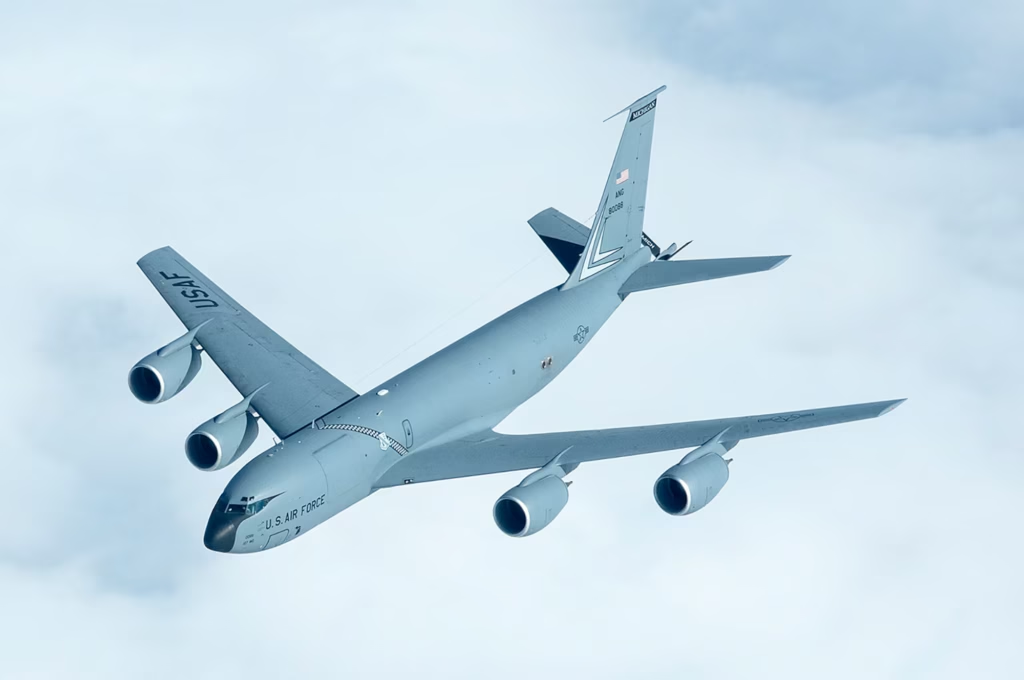
U.S. Central Command issued a statement confirming the loss and stressing that the incident occurred in friendly airspace, with no hostile involvement. “Rescue efforts are ongoing,” CENTCOM noted, while withholding details on casualties pending notification of next of kin. The Pentagon has not released further information, but sources indicate the second aircraft was also a KC-135 that declared an in-flight emergency and landed safely. Air Force officials are investigating the cause, with initial reports suggesting no prior mechanical issues. President Trump has not commented directly, but military leaders have reiterated commitment to Epic Fury operations despite the loss.
The KC-135 Stratotanker: History and Capabilities
The KC-135 Stratotanker, a cornerstone of U.S. aerial refueling, traces its origins to the mid-1950s as a military derivative of the Boeing 707 airliner. Developed to replace the slower KC-97, the first KC-135 prototype flew in August 1956, with deliveries beginning in June 1957 at Castle Air Force Base, California. A total of 803 were built by 1965, serving primarily with Strategic Air Command (SAC) to extend the range of bombers and fighters. Over its 60+ years of service, it has undergone upgrades, including re-engining to the KC-135R variant with CFM56 turbofans for improved efficiency.
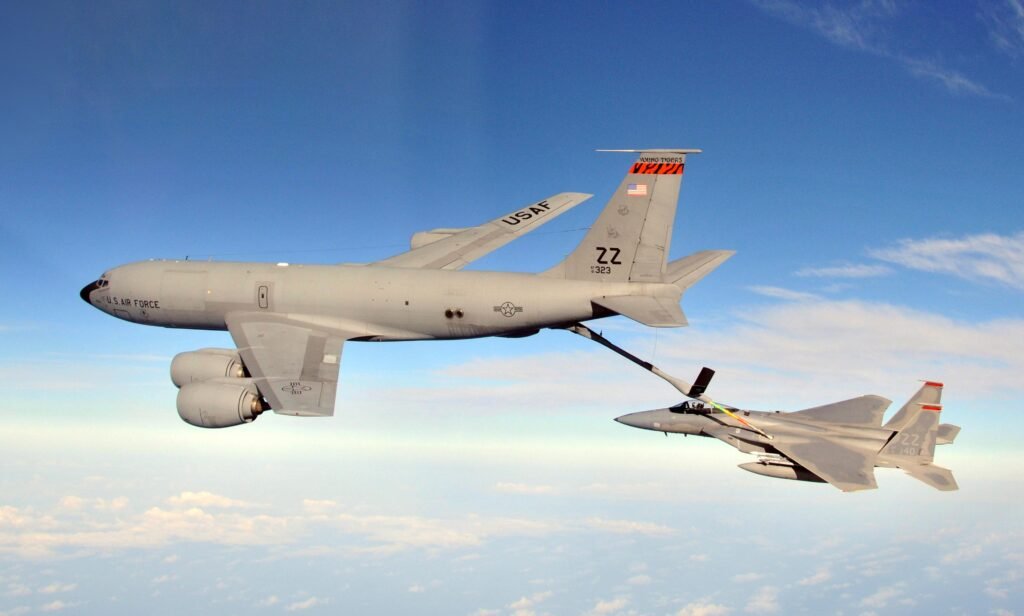
Key capabilities include aerial refueling via a flying boom or drogue system, enabling it to offload up to 200,000 pounds (approximately 31,000 gallons) of fuel to multiple receivers in a single mission. It has a maximum takeoff weight of 322,500 pounds, a range of 1,500 miles with full fuel transfer (or up to 11,000 miles on ferry missions), and can reach speeds of 530 mph at 30,000 feet. Beyond refueling, it supports cargo transport (up to 83,000 pounds) or up to 37 passengers, and aero-medical evacuations. The aircraft’s endurance has made it indispensable in conflicts from Vietnam to modern operations.
Broader Context
This crash comes amid intensified U.S. airstrikes in Operation Epic Fury, where KC-135s play a critical role in sustaining long-range missions against Iranian targets. The loss could temporarily strain refueling capacity, potentially affecting sortie rates and operational tempo. With seven U.S. service members already killed in action and over 140 wounded in the campaign’s first 10 days, the incident highlights the human cost of the conflict. Analysts warn that mechanical failures in aging fleets like the KC-135—many over 60 years old—pose ongoing risks, prompting calls for accelerated modernization or replacement with newer KC-46 tankers. The event may also fuel debates on U.S. involvement in the region, impacting public support and international alliances.
This article serves as a snapshot of the incident based on available information and will be updated as new facts come to light. For real-time developments, follow us on X @CandidBriefNews.
Disclosure: This article is based on publicly available information and coverage by other news outlets, independently summarized and rewritten by CandidBrief.
Related coverage on economic policy developments is available on CandidBrief.com