
Behind the Headlines: FBI Issues Warning on Potential Iranian Drone Strikes Targeting California Amid Escalating Conflict
By Candid Brief News | CandidBrief.com | March 12, 2026
In a stark escalation tied to the ongoing U.S.-Iran war, the FBI has alerted California law enforcement agencies about Iran’s alleged aspirations to launch drone strikes from an offshore vessel against unspecified targets in the state. The warning, issued in late February 2026, describes a potential “surprise attack” using unmanned aerial vehicles (UAVs) as retaliation for U.S. and Israeli military actions against Iran. While officials emphasize that the threat is aspirational and lacks credible specifics on timing, targets, or perpetrators, the alert has prompted heightened vigilance along the West Coast. This development highlights Iran’s growing use of asymmetric warfare tactics, including disguising vessels for drone operations, amid broader geopolitical tensions.

Key Details of the Threat and Warning
The FBI Alert: Distributed to agencies participating in the Joint Terrorism Task Force, the memo states, “We recently acquired information that as of early February 2026, Iran allegedly aspired to conduct a surprise attack using unmanned aerial vehicles from an unidentified vessel off the coast of the United States Homeland, specifically against unspecified targets in California, in the event that the US conducted strikes against Iran.” The intelligence originated from the U.S. Coast Guard and was shared before the outbreak of full-scale hostilities, noting no additional details on execution. Experts describe it as precautionary, with no evidence of imminent action, but it underscores Iran’s intent to respond asymmetrically to U.S. strikes that have degraded its capabilities.
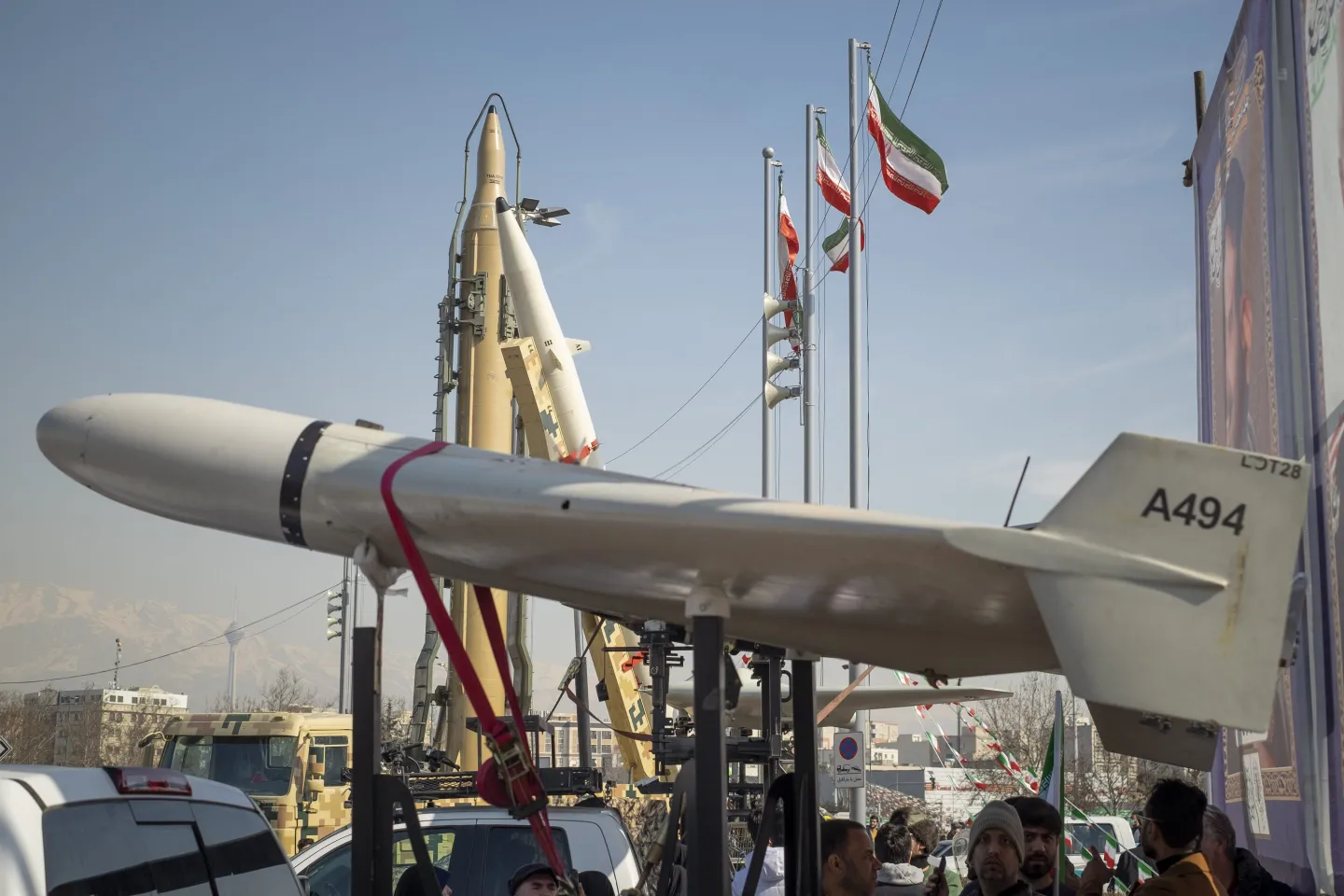
Nature of the Threat: Iran has demonstrated advanced drone capabilities in regional conflicts, using swarms for strikes on U.S. facilities and allies in the Middle East. The alert specifies ship-launched UAVs, potentially extending Iran’s reach to U.S. soil without direct territorial involvement. Security analysts note this fits Iran’s pattern of hybrid warfare, where drones could target infrastructure, military sites, or civilian areas, causing disruption rather than mass casualties. No specific targets were identified, but California’s ports, tech hubs, and military bases (e.g., near San Diego or San Francisco) could be vulnerable.
Disguised Iranian Ships for Drone Operations: Iran has a history of converting commercial or fishing vessels into platforms for drone and missile launches to evade detection. The Islamic Revolutionary Guard Corps Navy (IRGCN) has repurposed merchant container ships like the Shahid Mahdavi and Shahid Bagheri into drone carriers, equipped with UAVs, helicopters, and fast-attack boats. These conversions, often done at facilities like Bandar Abbas, allow vessels to blend into global shipping traffic while carrying explosive-laden drones or reconnaissance UAVs. Fishing boats have been disguised for asymmetric attacks, such as explosive drone boats in the Persian Gulf, enabling stealthy approaches to U.S. waters. Sanctions have driven Iran to use state-owned shipping lines like IRISL for these modifications, extending operational range to areas like the Pacific or Atlantic.
California Governor’s Reaction: Governor Gavin Newsom addressed the warning during a virtual news conference, stating he and his office are “aware” of the reports and have directed the California Governor’s Office of Emergency Services (Cal OES) to elevate the state’s security posture. He emphasized that “drone issues have always been top of mind,” with internal working groups already in place to address such threats. Newsom reassured residents there are “no imminent threats at this time” but affirmed the state remains prepared, coordinating with federal partners. Local leaders, including San Francisco Mayor Daniel Lurie, echoed this, confirming no specific threats but increased monitoring.

Official Response and Government Statements
The FBI’s bulletin was shared with local agencies to enhance preparedness, with a senior law enforcement official noting it as “aspirational” rather than actionable intelligence. President Donald Trump dismissed concerns about Iran-backed attacks on U.S. soil, stating he is “not worried,” while emphasizing the U.S. military’s degradation of Iran’s capabilities through ongoing strikes. Federal and state officials, including the U.S. Coast Guard and Homeland Security, are coordinating surveillance of coastal waters. Bay Area law enforcement confirmed ongoing communication with federal partners, with no elevated public alerts issued.
Broader Context
This warning emerges amid the 12-day U.S.-Israel bombing campaign against Iran, which has prompted Iranian drone retaliations in the Middle East. Iran’s strategy of using disguised vessels for drone operations reflects its asymmetric approach to counter superior U.S. naval power, potentially disrupting shipping lanes or targeting U.S. assets from afar. The U.S. response could involve intensified Coast Guard patrols, Navy intercepts of suspicious vessels, enhanced air defenses along the West Coast, and cyber countermeasures to disrupt drone command systems. Analysts warn that such threats could strain resources, impact California’s economy (e.g., ports and tourism), and escalate calls for diplomatic de-escalation. Without addressing root tensions, these alerts may foreshadow broader hybrid conflicts.
This article serves as a snapshot of the incident based on available information and will be updated as new facts come to light. For real-time developments, follow us on X @CandidBriefNews.
Disclosure: This article is based on publicly available information and coverage by other news outlets, independently summarized and rewritten by CandidBrief.
Related coverage on economic policy developments is available on CandidBrief.com