
Behind the Headlines: Timeline for Potential U.S. Intervention in Cuba; Speculation and Scenarios
By Candid Brief News | CandidBrief.com | March 7, 2026
Amid escalating tensions with Cuba, recent statements from President Donald Trump have fueled speculation about the possibility of U.S. military intervention on the island nation, with timelines potentially as short as weeks if diplomatic efforts falter. Analysts suggest that while an invasion remains hypothetical, preparations could ramp up quickly given the administration’s focus on regime change, influenced heavily by Secretary of State Marco Rubio’s longstanding hawkish stance.
Recent Developments
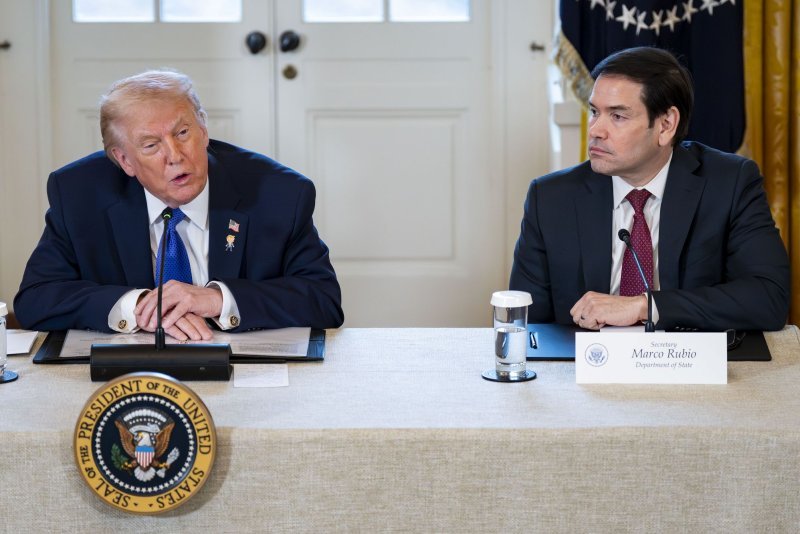
President Trump has repeatedly signaled that Cuba’s communist regime is on the brink of collapse, stating in early March 2026 that “Cuba is going to fall pretty soon” and emphasizing the island’s desire to “make a deal so badly.” In remarks to CNN, Trump assigned Secretary Rubio to lead negotiations, noting, “We’re really focused on this one [Iran] right now. We’ve got plenty of time, but Cuba’s ready after 50 years.” He further suggested during a White House event that changes could occur in “just a couple of weeks,” praising Rubio’s role in tightening sanctions and blocking Venezuelan oil shipments, which have exacerbated Cuba’s economic crisis. These comments come amid a de facto U.S. oil blockade since January 2026, declared a national emergency under Trump’s executive order, labeling Cuba’s government as an “unusual and extraordinary threat” to U.S. security.
Trump has prioritized resolving the ongoing conflict with Iran before turning full attention to Cuba, but indicated regime change there would be the “icing on the cake” following other interventions. This rhetoric echoes his January 2026 declaration of a national emergency regarding Cuba, intensifying economic pressures aimed at forcing concessions or collapse.
The Influence of Marco Rubio
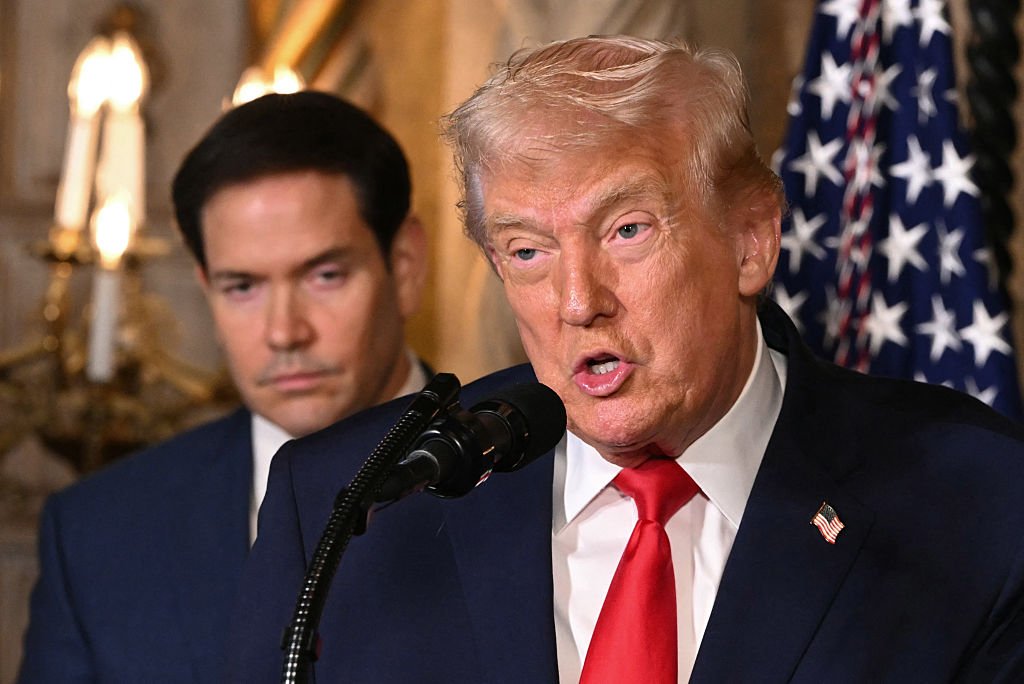
As Secretary of State, Marco Rubio, a Cuban-American and longtime advocate for regime change, has been instrumental in shaping the administration’s aggressive Cuba policy. Rubio has led secret talks, reportedly with Raúl Castro’s grandson, emphasizing economic reforms as a precursor to broader changes, though he has not ruled out military action. In February 2026 remarks, Rubio stressed the need for “economic freedom” in Cuba, signaling a strategy of sustained pressure through sanctions and blockades to weaken the regime. His influence is evident in the administration’s refusal to ease restrictions, with Rubio pushing for investigations into incidents like the recent speedboat shootout involving alleged U.S.-based infiltrators. Critics argue Rubio’s ambitions, including potential future political runs, may temper immediate calls for invasion, favoring a Venezuela-style accommodation if negotiations yield results.
Broader Context and Security Concerns
Drawing from historical precedents like the 1962 Cuban Missile Crisis, a U.S. invasion could unfold rapidly but with significant risks. Pentagon plans from that era, such as Operation Ortsac, envisioned amphibious and airborne assaults involving up to 261,000 troops, estimating victory in 10-15 days but with 18,500 casualties in the first 10 days—potentially higher if nuclear elements were involved. Today, with modern capabilities, experts suggest a similar timeline: initial airstrikes and blockades could begin within days of a decision, followed by ground operations in 7-10 days, overwhelming Cuba’s 100,000-strong forces but facing guerrilla resistance in rugged terrain. Long-term occupation might extend months, risking escalation with allies like Russia or China.
How it could all play out: If talks led by Rubio fail in the coming weeks, Trump could declare an escalation, imposing a full naval quarantine within 48 hours, airstrikes in 3-5 days to neutralize defenses, and a multi-division invasion (Marines, Airborne) targeting key sites like Havana and Santiago. Success might install a transitional government, but failure could spark regional instability or broader conflict. Cuba’s recent humanitarian crisis, worsened by U.S. policies, adds urgency, potentially justifying intervention on security grounds.
Official Responses and Ongoing Developments
The White House has reiterated that Cuba poses a threat, with Trump hinting at a “friendly takeover” if needed. Cuban officials have denounced the rhetoric as aggressive, while Rubio’s State Department continues probing border incidents. No formal invasion plans have been announced, but military readiness exercises in Florida suggest preparations. Analysts monitor for signs of troop movements or further sanctions.
This article serves as a snapshot of the incident based on available information and will be updated as new facts come to light. For real-time developments, follow us on X @CandidBriefNews.
Disclosure: This article is based on publicly available information and coverage by other news outlets, independently summarized and rewritten by CandidBrief.
Related coverage on economic policy developments is available on CandidBrief.com