
Behind the Headlines: Chaos Erupts in Mexico After Killing of CJNG Leader ‘El Mencho’
By Candid Brief News | CandidBrief.com | February 22, 2026
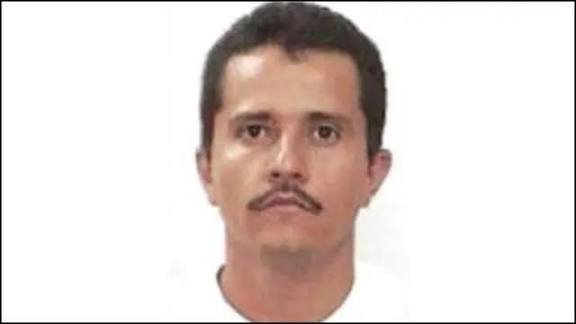
In a dramatic escalation of Mexico’s ongoing battle against drug cartels, Mexican military forces killed Nemesio Rubén Oseguera Cervantes, known as “El Mencho,” the founder and leader of the Jalisco New Generation Cartel (CJNG), during a targeted operation on February 22, 2026. The operation, conducted in the town of Tapalpa in Jalisco state, has sparked widespread retaliatory violence across multiple regions, including road blockades with burning vehicles, armed clashes, and chaos at key infrastructure points like Guadalajara International Airport. Reports indicate cartel members are threatening civilians, leading to suspensions of schools and official activities, while airlines have begun canceling flights amid the unrest. This event underscores the volatile security situation in Mexico, prompting heightened alerts from the U.S. Department of State.
Key Details of the Operation and Death
- The Operation and Casualties: Mexican security forces, including the military and federal agents, launched a raid in Tapalpa, approximately two hours southwest of Guadalajara, aimed at capturing El Mencho, who had evaded authorities for years with a $10 million U.S. bounty on his head. He was wounded during the confrontation and reportedly died while being transported to Mexico City for medical treatment and interrogation. No other casualties from the operation have been officially confirmed, but the action involved heavy firepower and intelligence-led targeting.
- Cartel Retaliation and Unrest: Immediately following the news of El Mencho’s death, CJNG operatives initiated coordinated attacks across Jalisco and neighboring states like Michoacán, Guerrero, Tamaulipas, and Nuevo León. This includes setting vehicles ablaze to block highways, engaging in shootouts with security forces, and creating widespread panic. Videos circulating on social media show flames engulfing trucks and cars on major roads, effectively paralyzing transportation in affected areas.
- Attack on Guadalajara Airport: Armed gunmen affiliated with the CJNG reportedly stormed or approached Guadalajara International Airport, causing terror among passengers and staff. Videos depict crowds fleeing the terminal in panic, with reports of gunfire nearby. A pilot’s account described the situation as cartel members “storming” the facility, leading to evacuations and disruptions. While some unverified claims suggested hostages were taken, including American tourists at nearby hotels and highways, these have been disputed by fact-checkers, with no confirmation from official sources.
- Airline Cancellations and Travel Disruptions: Due to the violence and blockades, major airlines have canceled or delayed flights to and from Guadalajara and other affected airports. Passengers have been advised to shelter in place or seek alternative routes, with the airport temporarily halting operations amid the chaos. International carriers, including those from the U.S., are monitoring the situation closely, leading to widespread cancellations that could extend into the coming days.
- Suspension of Classes and Official Activities: Jalisco Governor Pablo Lemus Navarro announced the suspension of all classes, government operations, and official activities for February 23, 2026, urging residents to stay indoors. This measure aims to protect civilians from the ongoing violence, with schools, universities, and public offices closed statewide in Jalisco and potentially in adjacent areas.
- Cartel Threats to Civilians: In a chilling escalation, CJNG members have issued threats via social media and local channels, warning of breaking into homes and entering civilian properties to search for rivals or enforce control. These threats have heightened fear among residents, prompting many to barricade themselves indoors. The cartel’s history of extortion and forced recruitment amplifies the danger, with reports of door-to-door intimidation in cartel strongholds.
Official Response and Government Statements
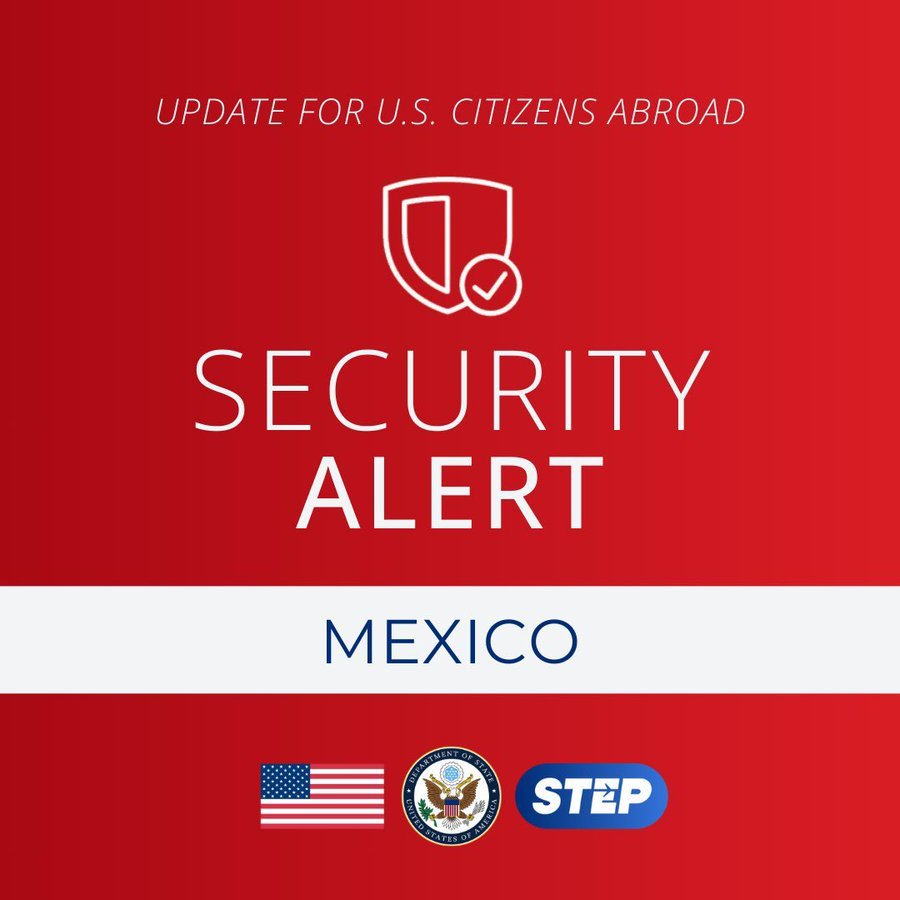
Mexican President Claudia Sheinbaum confirmed the operation’s success through the Defense Ministry, hailing it as a major blow to organized crime. However, she cautioned that past “kingpin” strategies have often led to increased violence due to power struggles within cartels. Federal troops have been deployed to reinforce security in hotspots, with roadblocks cleared in some areas but ongoing clashes reported. Governor Lemus emphasized public safety, stating, “We urge all citizens to remain at home until the situation stabilizes.” Internationally, the U.S. has denied direct involvement, despite earlier pressures on Mexico to combat fentanyl trafficking linked to the CJNG. The U.S. Department of State has maintained its travel advisory for Mexico, with Jalisco at Level 3 (“Reconsider Travel”) due to crime, kidnapping, and terrorism risks. The advisory notes that violent confrontations between criminal groups, including in tourist areas like Guadalajara, can endanger bystanders. U.S. citizens are advised to avoid non-essential travel, enroll in the Smart Traveler Enrollment Program (STEP), and adhere to restrictions on highways in the region. While no specific update for the February 22 events was issued by 02:44 PM EST, the Embassy in Mexico City released a security alert urging Americans in Jalisco to shelter in place amid the unrest.
Broader Context
The CJNG, under El Mencho’s command since its formation in 2010, has become Mexico’s most dominant cartel, controlling vast drug trafficking networks for fentanyl, cocaine, and methamphetamine into the U.S. Known for its brutality—including drone bombings, ambushes on police, and territorial wars—the group has diversified into extortion, fuel theft, and human trafficking. El Mencho’s death could fragment the cartel, potentially sparking internal conflicts or alliances with rivals like the Sinaloa Cartel. This comes amid U.S.-Mexico tensions, with recent U.S. designations of Mexican cartels as terrorist organizations and threats of tariffs to curb drug flows. The unrest threatens tourism in popular spots like Puerto Vallarta, impacts local economies through halted commerce, and raises concerns about spillover violence across the border. Analysts warn that without addressing root causes like corruption and poverty, such operations may only temporarily disrupt cartel activities while exacerbating short-term chaos
This article serves as a snapshot of the incident based on available information and will be updated as new facts come to light. For real-time developments, follow us on X @CandidBriefNews.
Disclosure: This article is based on publicly available information and coverage by other news outlets, independently summarized and rewritten by CandidBrief.
Related coverage on economic policy developments is available on CandidBrief.com